
Key Takeaways(TL;DR):
- Pelicans 119, Mavericks 113: New Orleans snags its fifth straight win, the club’s longest streak since 2022.
- Zion Williamson scored 24 points off the bench on 10/14 shooting, ripping off 10 straight in a two-minute fourth-quarter burst.
- New Orleans erased an 87-79 deficit after three with a 38-19 run across 10:24; fourth quarter finished 40-26 Pelicans.
- Dallas led 63-57 at halftime after climbing out of an early 11-point hole.
- Anthony Davis poured in a season-high 35 points (22 and 10 by halftime), and Klay Thompson had 20 in the first half (5/9 from three).
- Trey Murphy III sealed it with two free throws at 10.4 seconds after the Mavs cut it to 117-113 with 18.1 left; next up: Mavs host Denver, Pels visit Cleveland (both Tuesday).
The New Orleans Pelicans did not blink. Down eight after three quarters in Dallas, they stormed the fourth with purpose and poise, riding a fierce 38-19 run to flip the game and beat the Mavericks 119-113. It is New Orleans’ fifth straight victory, their longest streak since 2022, and another hint that a season that began 3-22 has found a very different gear.
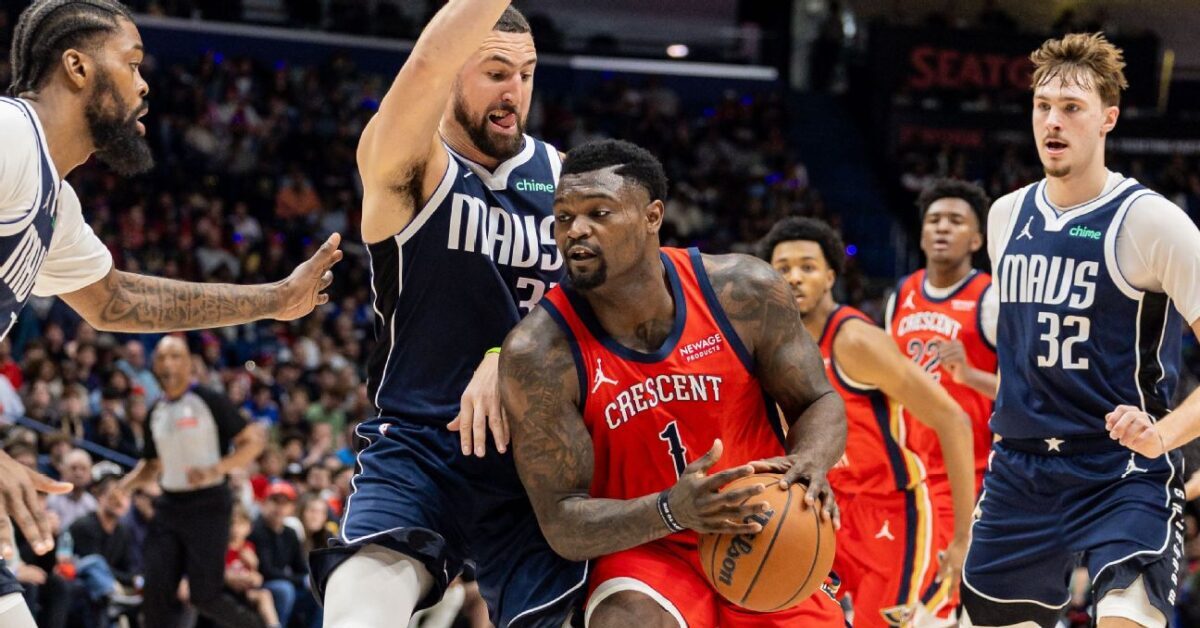
Zion Williamson led the surge with 24 points in just the kind of power-packed, paint-first display that bends games. He didn’t even start; he came off the bench and still took over the final minutes. When the moment was loudest, Zion got louder.
Fourth-quarter flip: Zion’s two-minute takeover
The game’s hinge arrived with New Orleans up 105-103 in the fourth. Over the next two minutes, Williamson scored 10 straight points, hammering the Mavericks on five of six Pelicans possessions, four of them on straight-line, no-nonsense drives. By the time the clock showed 1:37, the Pelicans led 117-106 and the American Airlines Center had gone quiet.
Dallas made one last push, ripping off seven quick points to trim it to 117-113 with 18.1 seconds left. But Trey Murphy III stepped up at the stripe, coolly sinking two free throws with 10.4 seconds remaining to close the door. Ballgame.
“This is the Zion burst we’ve been waiting for — two minutes that decided everything.”
That closing kick capped a dominant period. New Orleans won the fourth 40-26, but the real punch landed in the first 10 minutes, where the Pelicans authored a 38-19 run that drained the Mavericks’ legs and their lead. Simple action, smart spacing, and relentless pressure on the rim did the trick.
How New Orleans turned the tide
After three frames, Dallas sat on an 87-79 cushion. The Pelicans, though, leaned into what was working: drive, kick, finish through contact. Williamson’s 10/14 shooting showed the same theme. Nothing fancy, just force.
Support came from everywhere. Derik Queen put up 19 points and 11 rebounds, battling on the glass and giving the Pelicans a strong interior answer as the game wore on. Saddiq Bey added 19 points and seven rebounds, spacing the floor and meeting the moment with timely scoring.
- Zion Williamson: 24 points, 9 rebounds, 3 assists, 10/14 FG, 4/4 FT
- Derik Queen: 19 points, 11 rebounds
- Saddiq Bey: 19 points, 7 rebounds
- Fourth quarter: Pelicans 40, Mavericks 26
Those numbers tell a clear story: Dallas struggled to keep New Orleans out of the paint late. Drives created angles, angles created fouls and dump-offs, and the Pelicans’ pace never dipped. The team that trailed most of the night looked fresher when it mattered most.
“When New Orleans spreads you out, the rim becomes a layup line — that fourth quarter was proof.”
Dallas stars blaze early — then fade late
The Mavericks did a lot right for three quarters. They erased an early 11-point deficit and led 63-57 at the half behind a thunderous start from their top scorers. Anthony Davis was a force, stacking up a season-high 35 points. He had 22 points and 10 rebounds by halftime and even stepped out to bury a three. In the first half, he found deep post position often against a smaller Pelicans interior, and Dallas milked that advantage.
Klay Thompson, the career 41% shooter from deep who entered the night at 36% this season, flashed vintage form early. He drilled 5 of 9 threes and had 20 points by the break, punishing every late contest and loose closeout.
But as the game tightened, those clean looks shrank. New Orleans quickened their rotations and ran multiple bodies to the ball on key trips. The Mavericks still made their late push, but the Pelicans’ fourth-quarter composure — and Zion’s straight-line power — were the difference.
“Dallas had the stars early; New Orleans had the answers late. That’s winning basketball.”
From 3–22 to five straight: a season turns
It is hard to overstate the weight of this win for New Orleans. The Pelicans started the season 3-22. That kind of hole usually swallows a team’s hopes before the holidays. Instead, they’ve strung together a season-best five-game run, their longest since 2022, and they’re winning with a clear identity: pressure the rim, gang rebound, and finish games with force.
Williamson’s role off the bench in this one underscores the depth that is taking shape. Murphy’s late free throws showed poise. Queen and Bey gave reliable, two-way minutes. The Pelicans have options now, and options win close games.
What it means — and what’s next
For Dallas, the path forward is simple. The first three quarters looked sharp. The fourth needs answers. Keeping Davis involved late, finding Thompson in motion, and balancing inside-out play should be the focus in film. The late rally shows the fight is there; now it’s about finishing.
For New Orleans, this is a statement of growth. The Pelicans stared at an eight-point deficit after three in a tough building and outscored the Mavericks by 14 in the fourth. That travels. The formula is repeatable because it relies on effort, paint touches, and timely shooting.
Up next: Dallas hosts Denver on Tuesday, a quick chance to test toughness against another elite front line. The Pelicans visit Cleveland on Tuesday, aiming to stretch the streak to six and keep reshaping the story of their season. After 3-22, every win like this is more than two points in the standings. It’s proof of life — and of a team finding itself in time to matter.