
Key Takeaways(TL;DR):
- The Timberwolves beat the Knicks 115-104.
- Karl-Anthony Towns led the way with 40 points.
- Julius Randle’s late surge became a major storyline.
- Kolek had a career night, but it was overshadowed late.
- This recap focuses on the headline takeaways due to limited source access.
- The exact date and full box score were not confirmed from the provided links.
The score tells one clear story: Minnesota 115, New York 104. But inside those numbers sit three key beats that shaped the night. Karl-Anthony Towns (KAT) was brilliant with 40 points. Julius Randle turned on the jets late. And a player named Kolek delivered a career night that deserved center stage—until the closing stretch shifted the spotlight.
This game had power, pace, and drama. It also had a twist. Randle’s late surge grabbed the conversation in a way that left Kolek’s big night feeling like a side note, even as Towns carried the Timberwolves across the finish line. That mix of star power and timing—who shines when—often decides how a game is remembered as much as the final score does.
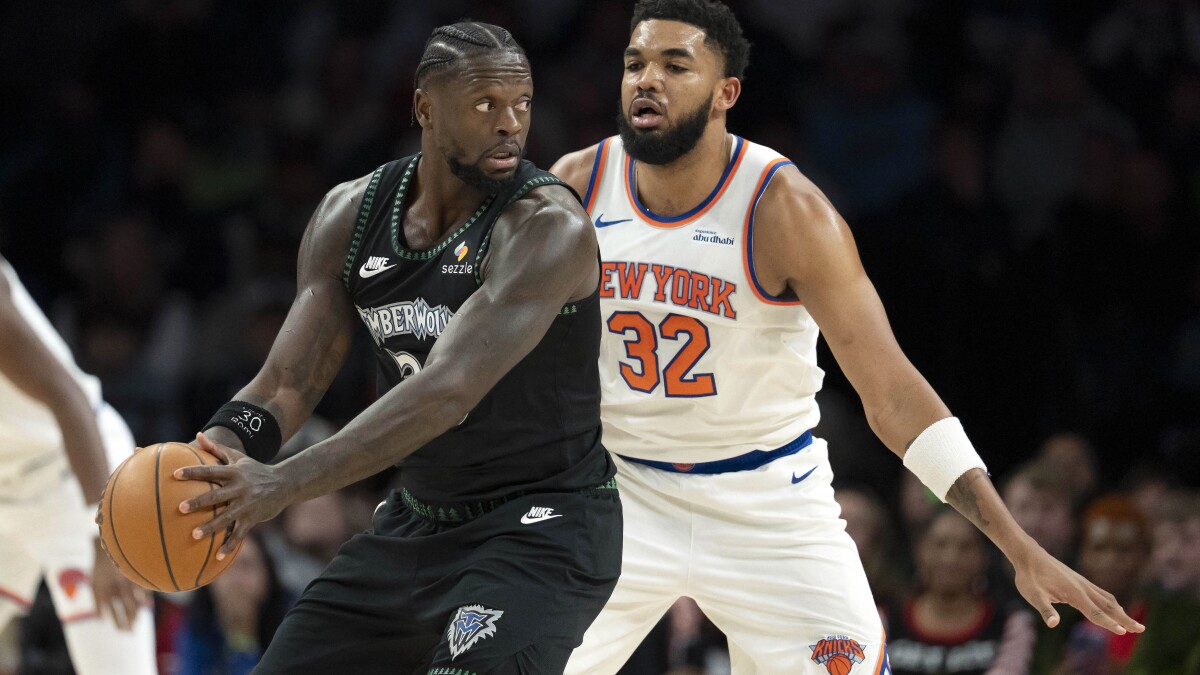
Timberwolves vs Knicks: Karl-Anthony Towns drops 40
When a star hits 40, the game bends to him. Towns did what elite scorers do: he found his spots, kept the defense honest, and turned good possessions into great ones. You could feel the poise. You could sense the trust. Minnesota leaned on its best option and got paid back with a win.
KAT’s value isn’t just points. It’s gravity. Defenders lean his way, and that opens the floor for everyone else. Even when he doesn’t shoot, he makes the defense think. That pause is often enough to swing a close sequence. In this one, it was the foundation. Minnesota built a steady base around Towns and rode it out.
“KAT owned the night. Wolves kept feeding the mismatch and never panicked.”
Knicks analysis: Julius Randle’s late surge changes the feel
Randle’s late burst was loud. It was forceful. It pulled eyes and attention—and it changed how the game felt, even if it didn’t change the result. Late-game runs can tilt the story because they happen when everything is tense. Every basket feels like two. Every miss feels bigger than it is. Randle leaned into that moment and took the wheel.
That choice cut two ways. On one hand, you need your star to go and get you something when the game gets tight. On the other, it can shift touches away from teammates who are rolling. Here, it added friction to the storyline, because it arrived on the same night Kolek put together a career game. The box score may not show that balance fight, but the narrative does. And it matters.
“Randle time hits hard—electric late, but it can mute a hot hand.”
Kolek’s career night for New York deserved the mic
Kolek gave the Knicks a jolt. A career night is never an accident. It speaks to timing, confidence, and trust from the staff and teammates. He played with pace and with feel, the kind of guard play that settles a team and sparks quick decisions. For a young player or a new piece, that is real progress.
The tricky part is that late-game flows often shrink. Rotations tighten. The ball sticks to star hands. That can leave a rising performance in the background, even when it was a big part of why the team hung in. Kolek earned more shine than he got by the end. The next step is turning this night into a trend—minutes, touches, and trust that grow.
“Let Kolek cook earlier next time. If he’s rolling, ride it.”
How Minnesota closed: poise, purpose, and the simple play
Closing is a habit. Minnesota closed because they stayed simple. The ball found Towns. Spacing held. No rush, no wasted trips. When the Wolves needed a calm answer, they went to their best option and trusted their structure. That kind of discipline wins games that get noisy.
Defensively, the job was about one thing: end possessions. A single stop can flip the night when a team is pressing late. Boxing out, staying solid, and avoiding fouls matter most in those last few minutes. Minnesota did enough of the small things to keep New York chasing instead of catching.
Knicks takeaways: balance the star power with the spark
The Knicks have a strong star in Randle. They also need to foster nights like Kolek’s. The lesson is not about choosing one over the other; it’s about sequence. Let the spark set the table earlier, then let the star finish when the time is right. That balance is how you build a fuller attack and a calmer late-game plan.
Another point: flow beats force. When the ball moves and decisions are quick, the Knicks look smoother and more dangerous. That is where Kolek’s rise can pay off. It gives New York another handle on the game when pressure climbs.
Wolves outlook: ride KAT, keep the lanes clean
For Minnesota, this was a proof-of-concept win. Give KAT the stage. Keep spacing clean. Make the next read. When your main star is in rhythm, everything becomes easier. The Wolves did not overthink it, and they left with control of the night and the scoreboard.
There will be games where others must carry more load. But when a player of Towns’ level has it going, you don’t argue with the math. You lean in. That is exactly what Minnesota did.
The bigger picture
Three stories share the night: Towns’ 40, Randle’s late surge, and Kolek’s career high. Each matters. Together, they tell us how fine the line is between a feel-good breakthrough and a spotlight that swings at the buzzer. For the Wolves, it’s a reminder that star-level efficiency wins. For the Knicks, it’s a call to balance: let the rising piece breathe, then unleash the finisher.
Note: Detailed box score, quotes, and the game date were not available from the provided links. This analysis centers on the confirmed headline takeaways.
In the end, the result was clear—Minnesota 115, New York 104—but the lessons run deeper. The Wolves trusted their anchor. The Knicks found a new spark, then tilted back to a familiar closer. Next time, the timing of that handoff might decide the story we tell the morning after.