
Key Takeaways(TL;DR):
- Max Verstappen stays at Red Bull for 2026 after a performance-based exit clause became inapplicable once he locked a top-three standing by the Belgian GP.
- His deal runs to 2028, but a 2027 exit clause remains if he is outside the top two by the summer break.
- Mercedes interest fades as Toto Wolff must now look elsewhere, likely doubling down on George Russell.
- Helmut Marko will depart Red Bull at the end of 2025, adding long-term uncertainty to Verstappen’s future beyond 2026.
- The 2026 F1 rules overhaul makes competitiveness a big unknown; Red Bull and Verstappen are already planning for that reset.
- Verstappen told the media: “It’s time to stop all the rumours,” focusing attention back on performance and 2026 prep.
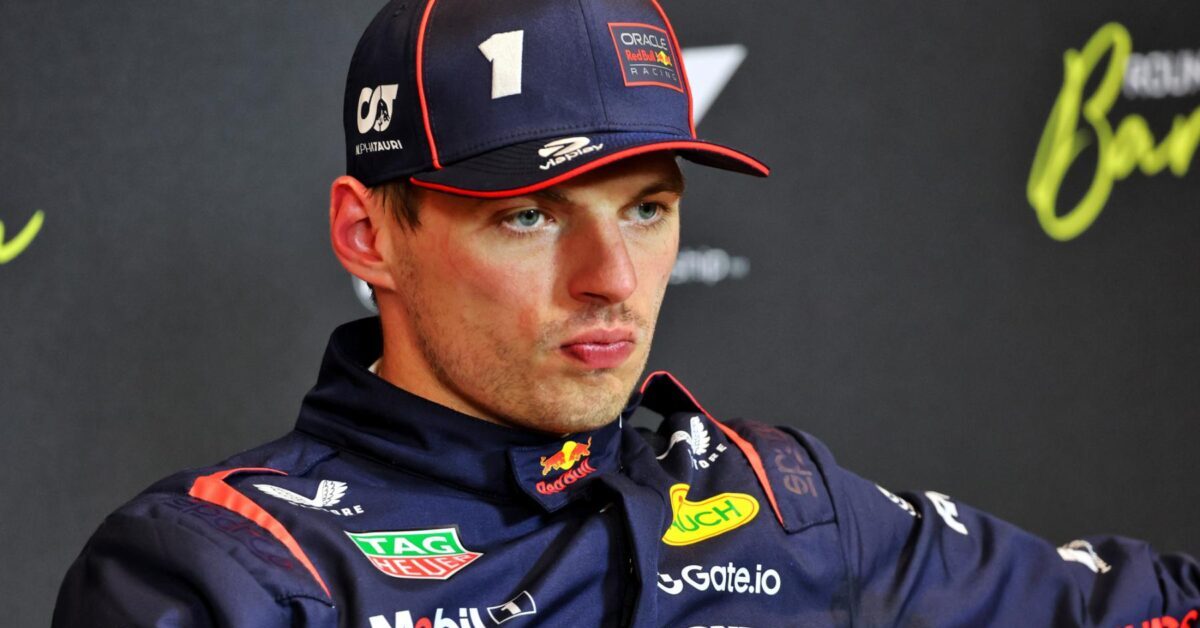
Max Verstappen, a four-time Formula 1 world champion, is staying with Red Bull Racing for 2026. The noise around a possible exit has finally faded, after a performance-based clause in his long-term contract became irrelevant the moment he locked a top-three spot in the 2025 standings by the Belgian Grand Prix. The result? Mercedes’ pursuit is over for now, Red Bull gets clarity for the first season of the new rules, and the sport’s driver market takes a deep breath—at least for a year.
Verstappen summed it up simply. “It’s time to stop all the rumours,” he said, drawing a line under months of speculation and attention around his future. The statement may be short, but the ripple effects are big.
How the contract clause shut the door for 2026
Verstappen’s contract runs through 2028, but it was never a simple “set and forget” deal. It includes several exit clauses tied to his championship position at set points in the season. For 2026, the key trigger was his standing by the mid-year window around the Hungarian Grand Prix. If he had been outside the top three at that point, he could have explored a move.
That scenario never materialized. His points haul, including a sprint win in Belgium, meant that by the Belgian GP he had locked at least third in the 2025 standings. From that moment, the escape hatch for 2026 effectively closed. Red Bull retains its star, and Verstappen keeps the stability he wanted heading into a major rules reset.
“If the clause closed itself, maybe the decision was made on track all along.”
Mercedes’ courtship ends — for now
All year, Mercedes boss Toto Wolff had made no secret of his interest. The Silver Arrows watched the clause situation carefully, hoping a window might open. With 2026 ushering in new technical rules, it would have been a bold move for Verstappen to jump. But once he guaranteed top three, the legal route shut and the conversation cooled.
For Mercedes, this refocuses the plan. Expect renewed energy around retaining and supporting George Russell, and clarity in their own 2026 program without a Verstappen-sized variable. It doesn’t mean they won’t come calling again, but the timing is no longer in their favor.
Marko’s exit adds a human twist to 2027 and beyond
One reason the rumor mill spun so hard this year was the news that Helmut Marko, Red Bull’s long-time motorsport advisor and a key player in Verstappen’s rise, will leave at the end of 2025. Marko’s influence has been huge. His departure raises a fair question: how does Red Bull look and feel to Verstappen without that anchor?
That matters because another exit clause sits on the table for 2027. As it stands, if Verstappen is outside the top two by the summer break that year, he has the option to reassess. Team performance, internal trust, and the working environment will all be part of that decision. Red Bull’s job now is not only to build a fast 2026 car, but also to show Verstappen that the project remains stable in a new era.
“Marko leaving is a chapter turn. Does Max still feel this is his Red Bull in 2027?”
2026 rules reset: why staying put makes sense
The 2026 Formula 1 regulations overhaul is a big unknown for every team. New rules change the order. Some teams nail it; others stumble. In that kind of shake-up, continuity matters. Verstappen knows Red Bull’s processes, people, and rhythm. Staying gives him a clear runway to shape the car and the project from the inside rather than learning a new system at the most delicate moment.
Red Bull, for their part, get exactly what they need: certainty around the driver who has been their benchmark. With their champion locked in, the team can plan their 2026 development, simulator work, and power unit integration with total clarity about car fit and driving style priorities.
The clause that still matters: 2027
While 2026 is now set, the story isn’t over. The 2027 clause—tied to Verstappen’s position by the summer break, this time the top two—keeps the plot alive. If Red Bull stumbles under the new rules, the market could heat up again in a big way next season.
That clause gives Verstappen leverage, and it gives Red Bull an urgent scoreboard: keep the car at the front, or risk the door reopening. This dynamic might sound tense, but it’s common in elite sport. Performance-based options keep everyone sharp.
“2026 is secured. 2027 is the cliff edge. Who blinks first — form or faith?”
What Verstappen and Red Bull are saying
Verstappen has tried to quiet the noise. “It’s time to stop all the rumours,” he said, stressing that he wants to focus on performance and future ideas with the team. Earlier this year, Helmut Marko also signaled that Verstappen would stay for 2026, setting the tone before the math on the clause locked it in.
There is still healthy curiosity about what happens after Marko’s exit and how the new leadership ecosystem will function. But those are questions for later. For now, Red Bull gets its driver, and the paddock gets a clearer picture of the early 2026 grid.
Driver market impact: a calmer “silly season” — for now
Verstappen’s decision, and the clause closure behind it, removes the biggest piece on the 2026 chessboard. It allows Mercedes to stabilize their lineup plans. It also gives teams up and down the grid a cleaner read on who is truly available for 2026. That said, the sport rarely stays calm for long. As results come in under the new rules, the 2027 rumor engine will start right back up.
Bottom line
Max Verstappen will race with Red Bull in 2026. The contract clause that could have opened the door didn’t, thanks to the points he banked by Belgium that guaranteed a top-three finish for 2025. The focus now shifts to the car, the new rules, and the Red Bull project without Helmut Marko beyond this season. If the team stays fast, the partnership stays strong. If not, the 2027 clause ensures the story isn’t finished.
Either way, the biggest name in Formula 1 isn’t moving for 2026. That’s clarity Red Bull craved—and everyone else must now plan around.