Tag: UCL

  • Liverpool stunned 4-1 by PSV as slump deepens

    Liverpool stunned 4-1 by PSV as slump deepens

    Key Takeaways(TL;DR):

    • Liverpool 1-4 PSV: A heavy Champions League defeat at Anfield on Nov 26, 2025 (League Phase, Matchday 5).
    • Home form concern: Fourth defeat at Anfield in six games across all competitions.
    • Trendline: Nine losses in the last 12 matches underlines a deep slump.
    • Arne Slot: Says he is not worried about his job; insists the team must fight and improve.
    • Game story: Liverpool pushed after the first goal and nearly made it 2-2, but PSV ran out 4-1 winners.
    • Injury note: Hugo Ekitike felt back discomfort, hurting Liverpool’s press and leading to his substitution.

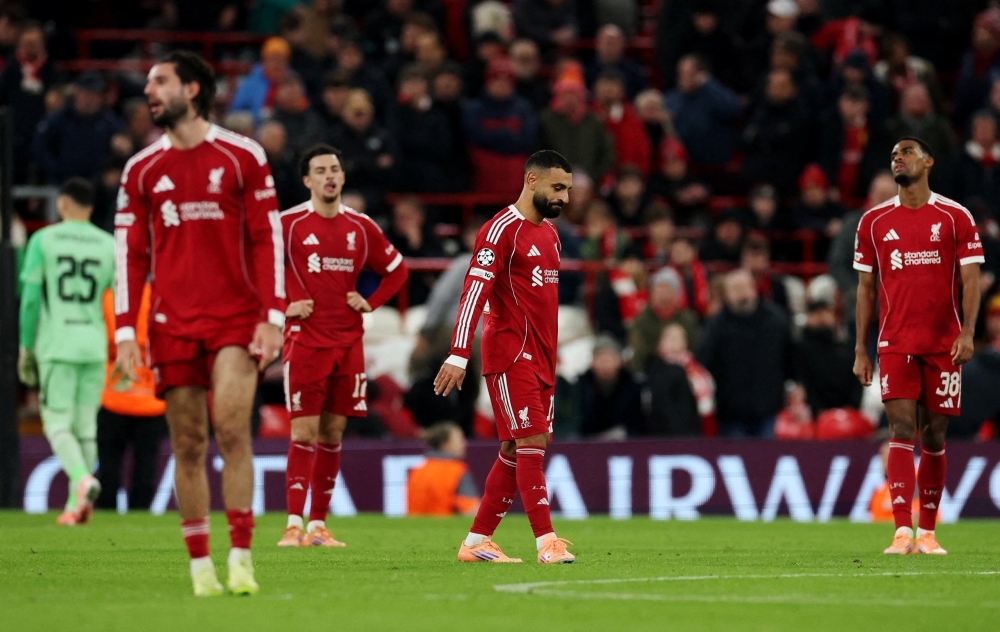
    Liverpool were beaten 4-1 by PSV Eindhoven at Anfield on Wednesday, November 26, 2025, in the UEFA Champions League League Phase (Matchday 5). The scoreline was big. The story was bigger. This was not a one-off bad night. It was another painful chapter in a run that is now shaping the mood around the club.

    It was Liverpool’s fourth home loss in six games across all competitions. It was also their ninth defeat in the last 12 matches. That is the kind of form that shakes confidence and invites hard questions. On a cold European night, Eredivisie champions PSV came to Anfield and left with three points and a statement win.

    Anfield alarm: a 4-1 defeat that fits a worrying pattern

    Big clubs live on rhythm. Right now, Liverpool’s rhythm is off. The numbers are clear: four defeats at Anfield in six recent home games and nine losses in twelve overall. That is not just a blip. It is a trend. And trends demand answers.

    PSV were sharp and ruthless. Liverpool were willing but loose at key moments. The home side had a spell where they pushed hard after conceding. They were close to making it 2-2. But the night got away from them, and the final score felt heavy. Heavy on the scoreboard. Heavy on the mood.

    “This isn’t a stumble anymore — it’s a slide.”

    Arne Slot’s stance: no fear for his job, only fight for a response

    After the match, manager Arne Slot addressed the big question. Is he worried about his job? His answer was firm: “No, I am not concerned. My attention is directed towards aspects other than worrying about my job. I need to enhance my performance.”

    That word — enhance — matters. It signals ownership. Slot knows the team must be better. He also knows fear is not a plan. The message was direct: this is about work, not worry.

    He also explained what he saw from his players: “After we allowed the first goal, we witnessed the response I desire, although it’s challenging since we faced a significant defeat over the weekend. The mentality afterwards is what you would anticipate. We continued to push and were close to equalizing at 2-2. However, the final score is 4-1, which is indeed another substantial loss.”

    There was a reaction, but it did not change the end. And in elite football, the scoreboard is the final judge. Slot knows that too: “The only path forward is to confront our situation and fight intensely. The players’ reaction in the first half is what one expects from a Liverpool player. However, I have reiterated that the final score remains 4-1.”

    “Fight is good. But what’s the plan when the press breaks?”

    Liverpool vs PSV: the moments that mattered

    Games turn on small swings. Liverpool’s came after the first goal. The home side pushed and found a spark. There was energy, speed, and pressure. At 2-1 down, it felt like the game could flip. Slot said they were close to 2-2. But it never came.

    When the equalizer does not arrive, the opponent grows. PSV did just that. They managed the pressure and then hit back. The final stretch belonged to them, and they closed the night with a scoreline that will travel far.

    Hugo Ekitike’s back pain and a press that faded

    Slot revealed an injury concern that shaped the second half. Forward Hugo Ekitike felt back discomfort early, within the first 5-10 minutes of the first half. It lingered into the second half. That mattered because Liverpool’s pressing game suffered. Without full fitness up top, it is hard to lead the press, to set the line, to keep the trap tight. Ekitike was eventually taken off because of the issue.

    In a match decided by control and pressure, that detail is not small. It goes to the heart of how Liverpool tried to wrestle back momentum and why PSV found gaps late on.

    “If the press is the engine, one misfire stalls the whole car.”

    Champions League League Phase: a tough stretch, and a test of nerve

    This defeat deepens Liverpool’s difficult run in the Champions League League Phase. Anfield has long been a fortress on European nights. Right now, it is not. Four home losses in six across all contests makes everyone sit up. Opponents feel braver. Fans feel tense. Players feel the noise.

    The new league format means every matchday carries weight. A 4-1 at home is not only about points. It is about belief. It is about how the group looks when the team goes behind. This is where leaders step up and steady the ship. This is where details, like the timing of a press or the choice of a pass, decide everything.

    Why this slide hurts — and what needs to change

    When a team loses nine of twelve, many problems overlap. Confidence drops. Decisions slow down. Small errors add up. Liverpool’s challenge is to cut through the noise and fix the basics, fast.

    • Start cleaner: Early control helps calm nerves and sets a tone.
    • Protect home ground: Four defeats in six at Anfield cannot be the norm.
    • Turn reaction into results: The push after the first goal was good; it must lead to goals.
    • Manage fitness: Ekitike’s back issue shows how one knock can change the press and the plan.
    • Stay brave: When the game bites, keep the ball and keep the shape.

    Arne Slot’s next steps: clarity, composure, and courage

    Slot says he is not worried about his job. That matters inside the dressing room. Players read their manager’s body language. They follow tone and trust. His repeated message — fight hard, face the moment, own the score — sets a standard.

    Simple ideas will help now. Clear roles. Smart subs. Fresh legs where needed. Strong training weeks that rebuild rhythm and belief. A team does not jump out of a hole with talk. It climbs out, one solid step at a time.

    Final word: a painful score and an open question

    PSV came to Anfield as Eredivisie champions and left with a 4-1 win. It is a headline that stings. More than that, it is a mirror. It shows where Liverpool are right now: a proud team finding it hard to turn effort into wins.

    The numbers are stark — nine losses in twelve, four home defeats in six. But seasons turn on tough nights too. The path forward, as Slot says, is to fight. The question is simple and sharp: can Liverpool turn that fight into clean football, clean chances, and clean results before this slide defines their season?
  • Arsenal sink Bayern 3-1 to stay perfect

    Arsenal sink Bayern 3-1 to stay perfect

    Key Takeaways(TL;DR):

    • Arsenal beat Bayern Munich 3-1 in a UEFA Champions League group match at the Emirates Stadium.
    • Both sides arrived with perfect records; Arsenal leave still perfect and top of the group.
    • Bayern missed a big chance to go 2-0 up early, a turning point that swung the night.
    • Arsenal conceded their first Champions League goal of the season but rallied with control and calm.
    • Substitute Calipuri made an instant impact with an assist for Arsenal’s third goal.
    • Serge Gnabry admitted Bayern “deserved to lose”, pointing to real issues for the German side.

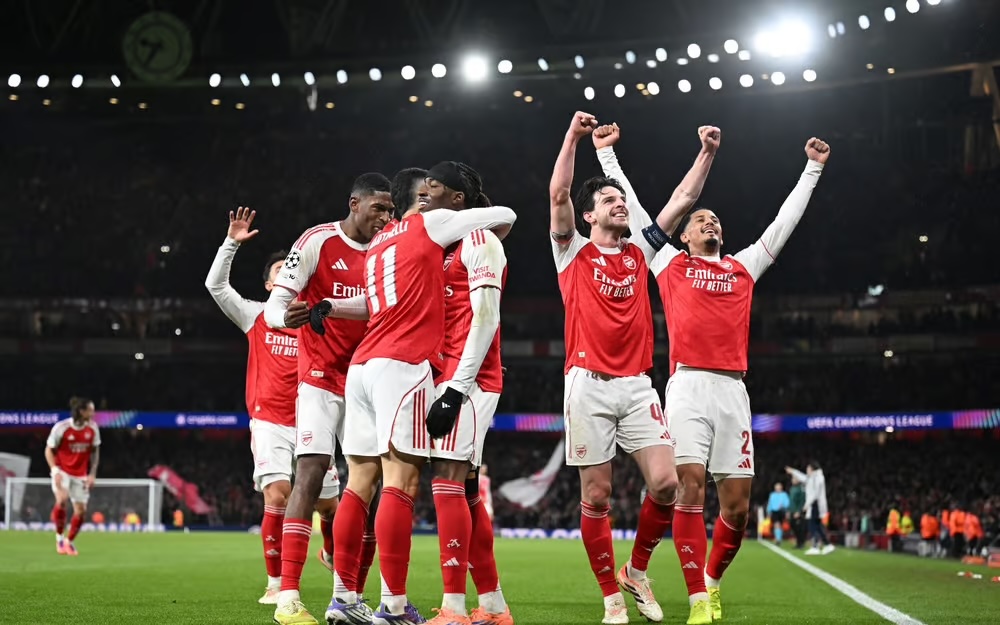
    On November 26, 2025, Arsenal sent a clear message across Europe. A sharp, composed 3-1 win over Bayern Munich at the Emirates Stadium did more than light up a cold night in North London. It kept the Gunners perfect in the UEFA Champions League and showed that this group has steel to match their style.

    A heavyweight Champions League clash with real stakes

    This was not a routine group game. Arsenal and Bayern arrived as two of only three teams with perfect records in the competition. That set the stage: fast, tense, and unforgiving. The margin for error was tiny. The reward for control was huge. In that context, Arsenal’s win was a statement of calm under pressure and power in key moments.

    Arsenal vs Bayern: a test of nerve and a flip in momentum

    Bayern started with edge and nearly made it count in the most brutal way. They had the chance to go 2-0 up early. They did not take it. In Europe, those details shape nights. That miss kept the door open, and Arsenal walked through it with purpose.

    It mattered, too, that Arsenal conceded their first Champions League goal of the season in this match. A first wobble can rattle a team. Instead, it focused them. The equaliser steadied the team, and from there the Gunners played with control. They did not rush. They chose the right passes. They won the key duels. The 3-1 score was built on that calm response and clinical edge.

    “Arsenal just turned a wobble into a warning to Europe.”

    Calipuri’s instant impact: the substitute who sealed it

    Big games often swing on brave calls from the bench. Here, the introduction of Calipuri changed the feel of the game. He arrived with energy and clarity. Almost at once, he delivered a crisp assist for Arsenal’s third goal. That moment put the night beyond reach and showed the power of squad depth in the Champions League.

    There is a lesson in this for Europe’s top sides. To go deep in this competition, you need starters who set the tone and finishers who can raise it. Calipuri did that in one move. It was smart timing by the staff and sharp execution by the player.

    “Calipuri changed the game in one touch—simple as that.”

    Bayern’s missed chance and a rare admission of fault

    Bayern will leave with regret. The early chance to go 2-0 was the pivot. Miss it, and you keep a good team alive. Miss it here, and you stir a top team into action. The rest of the match followed that script. Bayern had spells, but Arsenal had control. Bayern had the first punch, but Arsenal landed the last three.

    After the game, Serge Gnabry did not hide from the truth. The Bayern winger said the visitors “deserved to lose.” That is a strong line and a fair one. It points to issues Bayern must fix fast: sharper finishing, smarter game control, and cooler heads when the tide turns.

    “If Bayern can’t punish at 2-0, this Arsenal will.”

    Why this 3-1 matters for Arsenal’s season

    For Arsenal, this was more than three points. It kept them top of the group and preserved one of the competition’s few perfect records. But the real value sits deeper: they showed they can bend without breaking. They conceded, held their line, and hit back harder. That is what serious Champions League teams do.

    It also hints at a team growing in big-match moments. The Emirates felt confident, not chaotic. The passes were patient, not passive. The third goal, coming right after Calipuri’s introduction, was a sign of a team that knows how to close the door. That habit travels well in Europe.

    Pressure points for Bayern Munich

    As for Bayern, this was a setback. They are usually a steady force at this stage. Here, they showed they can be pried open if they waste chances and lose midfield control. The group stage affords a margin for error, but this defeat narrows it. The response in their next match will say a lot about where this squad is heading.

    The good news for them: the core quality remains. The warning: top teams will not forgive slow starts or soft moments. Arsenal did not, and it cost Bayern the game.

    Key match beats that told the story

    • Bayern’s early chance to make it 2-0 drifted away; the game flipped from there.
    • Arsenal conceded in the Champions League for the first time this season, then kept their heads.
    • The home side grew after the equaliser and controlled the middle third.
    • Calipuri’s substitution brought speed and a clean assist for the third goal.
    • Gnabry’s honest verdict — Bayern “deserved to lose” — matched what the pitch showed.

    The bottom line

    Arsenal 3, Bayern Munich 1 is a scoreline that will echo in this group. It says Arsenal can manage tough moments and still deliver a ruthless finish. It says Bayern have work to do when the margins tighten. From here, Arsenal carry momentum and belief. Bayern carry a lesson.

    In a competition where small swings define whole seasons, this felt like one of those nights. Arsenal stayed perfect. More importantly, they looked the part.

  • Mbappé’s 7-minute hat-trick lifts Real Madrid 4-3

    Mbappé’s 7-minute hat-trick lifts Real Madrid 4-3

    Key Takeaways(TL;DR):

    • Kylian Mbappé scored all four Real Madrid goals, including a 7-minute first-half hat-trick (22′, 24′, 29′) and a fourth on 59′.
    • Real Madrid edged Olympiacos 4-3; Olympiacos scorers: Chiquinho (8′), Mehdi Taremi (52′), Ayoub El Kaabi (81′).
    • Madrid controlled the ball and the pace: 587 passes and 18 shots vs Olympiacos’s 389 passes and 15 shots.
    • Assist credits for Madrid included Vinícius Júnior (two), Arda Güler, Eduardo Camavinga, and Santiago Hezze; Olympiacos credits included Vinícius Júnior and Gabriel Strefezza.
    • It was a hard, fair contest with no red cards and few yellows.
    • The win keeps Real Madrid on top in the Champions League push, with a strong overall record of 10W-2D-1L, 32 points, and +16 goal difference.

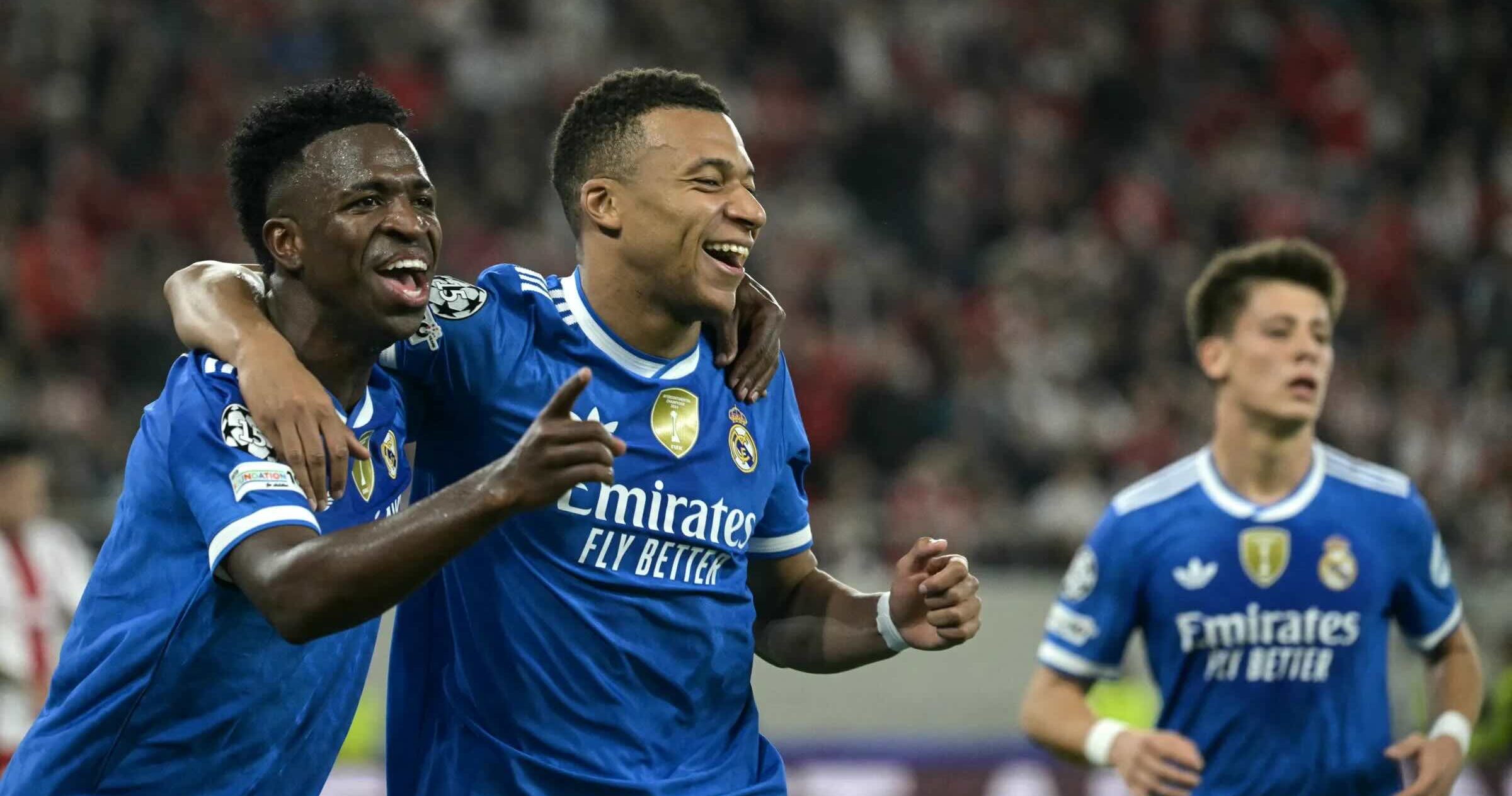
    Kylian Mbappé turned a tense Champions League night into his own highlight reel, and Real Madrid needed every bit of it. With a stunning four-goal haul, including a 7-minute first-half hat-trick, Mbappé pushed Madrid to a 4-3 win over a brave Olympiacos. It was end-to-end football, the kind of match that reminds you why this competition is special: fast, wild, and decided by a world-class finisher at full power.

    Mbappé’s seven-minute storm changes everything

    Olympiacos struck first. Chiquinho’s goal in the 8th minute lit up the home crowd and put Madrid under pressure. Then Mbappé flipped the script. On 22 minutes he tucked away the equalizer. By 24, he had turned the game. And at 29, he had a hat-trick. Three goals in seven minutes. That is not just speed; that is control.

    The bursts came from sharp movement and quick service. The assist sheet for Madrid told its own story: Vinícius Júnior was credited with two assists, while Arda Güler and Eduardo Camavinga also supplied chances. Sources even listed Santiago Hezze among the Madrid assist credits, underlining how frantic and tangled the action felt at times. What mattered most was the finish. Mbappé found space, found the corners, and took the air out of the stadium every time the ball hit the net.

    “Mbappé didn’t just score; he warped the game in seven minutes.”

    Real Madrid vs Olympiacos: control and chaos in the numbers

    On the stat sheet, Madrid looked in charge. They stitched together 587 passes to Olympiacos’s 389 and took 18 shots to 15. That volume usually means a calmer night. Not this time. Olympiacos broke lines when they could and hit back hard after the break.

    Mbappé’s fourth, slotted in on 59 minutes, should have closed the door. It didn’t. Olympiacos found a second wind. The match stayed open, the tackles stayed fair, and the cards stayed in the pocket. No red cards were shown, and only a few yellows dotted the contest. It was tough, but it never got ugly.

    Olympiacos keep swinging: three goals and real belief

    The hosts never folded. Mehdi Taremi’s strike on 52 minutes cut the gap and gave the home side belief. When Ayoub El Kaabi scored on 81, the game was back in the balance, and Madrid felt the tension. Olympiacos’s three goals came from clean runs and brave movement in the box. They also benefited from tidy link play out wide.

    Assist credits for the Greek side included Vinícius Júnior and Gabriel Strefezza in the sources reviewed, a reminder that in frantic matches, the bookkeeping can look messy even when the football is sharp. What is clear: Olympiacos played with heart and kept asking questions until the final whistle.

    “Madrid can score at will, but they still leave the door open at the back.”

    Kylian Mbappé’s Champions League statement

    When big nights arrive, big players set the tone. Mbappé did exactly that. The 7-minute hat-trick in the first half was confirmed by multiple sources and will sit high on any Champions League highlight reel this season. It showed his range: the dart in behind, the touch to create space, and the cold finish. It also showed his value to Madrid. When the game gets loud, he stays calm and turns chances into goals.

    The partnership pieces around him matter too. Vinícius Júnior’s two assists underline a growing link. Arda Güler’s eye for a pass and Camavinga’s engine helped Madrid carry the ball into dangerous zones again and again. And when the finish was there, Mbappé made it count.

    What the win means for Real Madrid’s season

    Madrid’s victory keeps them at the top in this Champions League campaign and extends strong momentum. The broader picture looks bright: a record of 10 wins, 2 draws, and 1 loss, with 32 points and a +16 goal difference reflects a team that knows how to manage games and find answers. Nights like this also show where improvement is needed. The attack is elite. The defense can still tighten up under pressure.

    The Champions League rarely hands out easy lessons. It tests every part of a team. Madrid passed the test because Mbappé was special, because the midfield moved the ball well, and because they did enough in the key moments. But there is homework. When the knockout rounds arrive, a late surge from an opponent can be costly. Getting a stronger grip after going two goals up will be a focus.

    “If Vinícius and Mbappé click like this in spring, who stops Madrid?”

    The match story in short

    • Olympiacos 3–4 Real Madrid
    • Goals: Chiquinho 8′; Mbappé 22′, 24′, 29′, 59′; Taremi 52′; El Kaabi 81′
    • Madrid’s assist credits: Vinícius Júnior (x2), Arda Güler, Eduardo Camavinga, Santiago Hezze
    • Olympiacos assist credits: Vinícius Júnior, Gabriel Strefezza
    • Team stats: Madrid 587 passes, 18 shots; Olympiacos 389 passes, 15 shots
    • Discipline: few yellows, no reds

    Final word

    This was a Champions League thriller. Olympiacos fought hard and scored three. Real Madrid had Mbappé, and that was the edge. Four goals from their star forward and just enough control in the closing stages keep Madrid on track at the top. If the attack keeps humming and the back line tightens up, this team will be a favorite deep into the spring. For now, remember the seven minutes that changed a game—and maybe this group’s balance too.

  • Arsenal vs Bayern Munich: Preview, Predictions & Lineup

    Arsenal vs Bayern Munich: Preview, Predictions & Lineup

    Key Takeaways (TL;DR):

    • Arsenal remain without Gabriel, Kai Havertz, and Viktor Gyökeres.
    • Martin Ødegaard and Gabriel Martinelli are expected back.
    • Martín Zubimendi returns from suspension to bolster Arsenal’s midfield.
    • Eberechi Eze, fresh from a hat-trick, continues the attack for Arsenal.
    • Bayern Munich will miss Luis Díaz due to suspension.
    • Serge Gnabry returns to Bayern’s lineup.
    • Bayern are without Jamal Musiala and Alphonso Davies.

    Overview

    Arsenal host Bayern Munich at Emirates Stadium in London on Wednesday, Nov. 26, with kick-off at 8 p.m. GMT / 3 p.m. ET. Both teams enter the clash unbeaten in Champions League group play and eager to maintain their perfect records. Arsenal aim to continue their strong home form following a comprehensive 4–1 derby win while Bayern will look to overcome the absence of suspended Luis Díaz and key injuries.

    • Fixture: Arsenal vs Bayern Munich
    • Competition: UEFA Champions League
    • Venue: Emirates Stadium, London, England
    • Date: Wednesday, 26 November 2025
    • Kick-off: 20:00 GMT / 15:00 ET / 12:00 PT
    • Referee: Marco Guida (ITA)

    Predicted Lineup

    Arsenal (4-2-3-1):
    Raya, Timber, Saliba, Hincapié, Lewis-Skelly, Zubimendi, Rice, Saka, Eze, Madueke, Merino

    Bayern Munich (4-2-3-1):
    Neuer, Laimer, Upamecano, Tah, Stanišić, Kimmich, Pavlović, Olise, Karl, Gnabry, Kane

    Injury Report

    Arsenal

    • Gabriel – unavailable
    • Kai Havertz – unavailable
    • Viktor Gyökeres – unavailable

    Bayern Munich

    •  Luis Díaz (suspension)
    • Jamal Musiala – unavailable
    • Alphonso Davies – unavailable

    Analysis Report

    Arsenal boast a potent attack led by Eberechi Eze, who has recently enjoyed a standout performance scoring a derby hat-trick. The return of Martin Ødegaard and Gabriel Martinelli adds creativity and depth, while Martín Zubimendi’s return strengthens their midfield. The defense remains stable though slightly altered for this match.

    Bayern, managing the suspension of Luis Díaz and injuries to Musiala and Davies, expect Serge Gnabry to provide attacking impetus along with Michael Olise and the versatile Nicolai Karl. Bayern’s defense looks strong with established figures like Upamecano retaining their places.

    This match promises a high-stakes clash between two European powerhouses, both aiming to keep their Champions League campaigns on a perfect track. The encounter is predicted to be balanced with Bayern’s experience edging a potential draw.

  • Olympiacos vs Real Madrid CF: Preview, Predictions & Lineup

    Olympiacos vs Real Madrid CF: Preview, Predictions & Lineup

    Key Takeaways (TL;DR):

    • Real Madrid are missing several key defenders including Thibaut Courtois, Éder Militão, Antonio Rüdiger, David Alaba, and Dean Huijsen.
    • Trent Alexander-Arnold starts at right-back for Madrid.
    • Aurélien Tchouaméni may re-enter the lineup at center back.
    • Vinícius Júnior, Eduardo Camavinga, and Federico Valverde return to the starting XI.
    • Olympiacos are without Alexandros Paschalakis, Bruno Onyemaechi, and Konstantinos Angelakis.
    • Olympiacos are winless in Europe and have struggled against top teams this season.
    • Real Madrid seek to end their recent winless streak in the Champions League.

    Overview

    The Champions League match between Olympiacos and Real Madrid takes place at the Karaiskakis Stadium in Piraeus, Greece on Wednesday, Nov. 26, kicking off at 12 p.m. GMT. Real Madrid come into the game needing a win following a defeat to Liverpool and draws with Rayo Vallecano and Elche, which have hurt their standing in the Champions League group phase.

    Olympiacos, despite a strong domestic record aided by striker Ayoub El Kaabi, have been without European success this season, managing draws and losses but no wins. Their defensive injuries might give hope for scoring, but Madrid’s experienced and powerful attack led by Vinícius and Kylian Mbappé is favored to prevail.

    • Fixture: Olympiacos vs Real Madrid
    • Competition: UEFA Champions League
    • Venue: Karaiskakis Stadium, Piraeus, Greece
    • Date: Wednesday, 26 November 2025
    • Kick-off: 12:00 GMT / 8:00 ET / 3:00 PT
    • Referee: Michael Oliver (ENG)

    Predicted Lineup

    Olympiacos (4-2-3-1):
    Tzolakis, Rodinei, Retsos, Pirola, Ortega, Hezze, García Attacking, Martins, Chiquinho, Podence, El Kaabi

    Real Madrid CF (4-3-2-1):
    Andriy Lunin, Trent Alexander-Arnold, Aurélien Tchouaméni, Raúl Asencio, Carreras, Arda Güler, Federico Valverde, Eduardo Camavinga, Jude Bellingham, Vinícius Júnior, Kylian Mbappé

    Injury Report

    Olympiacos

    • Alexandros Paschalakis
    • Bruno Onyemaechi
    • Konstantinos Angelakis – unavailable

    Real Madrid CF

    • Thibaut Courtois (illness)
    • Dean Huijsen
    • Éder Militão
    • Antonio Rüdiger
    • David Alaba (injury)

    Analysis Report

    Real Madrid face defensive challenges with multiple absences, notably at goalkeeper and center back. Backup goalkeeper Andriy Lunin will debut this season. However, the return of key midfielders and wingers like Vinícius Júnior and Valverde bolsters their offensive threat, led by the talented attacking duo of Vinícius and Mbappé.

    Olympiacos, relying on Moroccan forward El Kaabi’s goal-scoring prowess, will capitalize on Madrid’s defensive vulnerabilities and home advantage but face a tough task given Madrid’s superior squad depth and quality. The clash is expected to be hard-fought, but Madrid’s attacking firepower is likely to edge them to a narrow victory.

  • PSG vs Tottenham: Preview, Predictions & Lineup

    PSG vs Tottenham: Preview, Predictions & Lineup

    Key Takeaways (TL;DR):

    • PSG are without Achraf Hakimi, Ousmane Dembélé, and Désiré Doué due to injury.
    • Warren Zaire-Emery is expected to cover at right-back for PSG.
    • PSG’s midfield trio likely includes Joao Neves, Vitinha, and Fabian Ruiz.
    • Attacking players Barcola, Lee, and Kvaratskhelia lead PSG’s frontline.
    • Tottenham miss several players but have Randal Kolo Muani returning.
    • Tottenham’s likely formation is 4-2-3-1 with key midfielders Palhinha and Sarr.
    • Tottenham forwards include Richarlison, Kudus, Xavi Simons, and Kolo Muani.

    Overview

    Paris Saint-Germain host Tottenham Hotspur at the Parc des Princes in Paris on Wednesday, November 26, 2025, with kickoff at 8 p.m. GMT / 3 p.m. ET. PSG, after a strong Ligue 1 season, face a Tottenham side looking to secure crucial points in the Champions League group stage. PSG’s squad depth is tested with key absences but retains attacking threats, while Tottenham aim to counter with a balanced midfield and pace up front.

    • Fixture: PSG vs Tottenham
    • Competition: UEFA Champions League
    • Venue: Parc des Princes, Paris, France
    • Date: Wednesday, 26 November 2025
    • Kick-off: 20:00 GMT / 15:00 ET / 12:00 PT
    • Referee: Felix Zwayer (Germany)

    Predicted Lineup

    PSG (4-3-3):
    Lucas Chevalier, Warren Zaire-Emery, Marquinhos, Willian Pacho, Nuno Mendes, Fabian Ruiz, Vitinha, Joao Neves, Bradley Barcola, Lee Kang-in, Khvicha Kvaratskhelia

    Tottenham (4-2-3-1):
    Vicario, Pedro Porro, Romero, Van de Ven, Destiny Udogie, Palhinha, Sarr, Abdul Mumin Kudus, Xavi Simons, Richarlison, Randal Kolo Muani

    Injury Report

    PSG

    • Achraf Hakimi (ankle)
    • Ousmane Dembélé (calf)
    • Désiré Doué (recovery) – unavailable

    Tottenham

    • Dominic Solanke
    • Brennan johnson
    • Ben Davis
    • Dejan Kulusevski
    • James Maddison

    Analysis Report

    PSG face key absences in defense and attack but maintain a strong midfield base and attacking creativity from Barcola, Lee, and Kvaratskhelia. Warren Zaire-Emery’s defensive role will be closely watched as he fills in for Hakimi.

    Tottenham, missing several squad members, rely on Palhinha and Sarr’s midfield partnership and Muani’s attacking presence. Their pace and tactical discipline will test PSG’s defense.

    Both teams are in need of points and the match promises a tactical, intense battle with goal-scoring opportunities for both sides. PSG are slightly favored due to home advantage and squad depth.

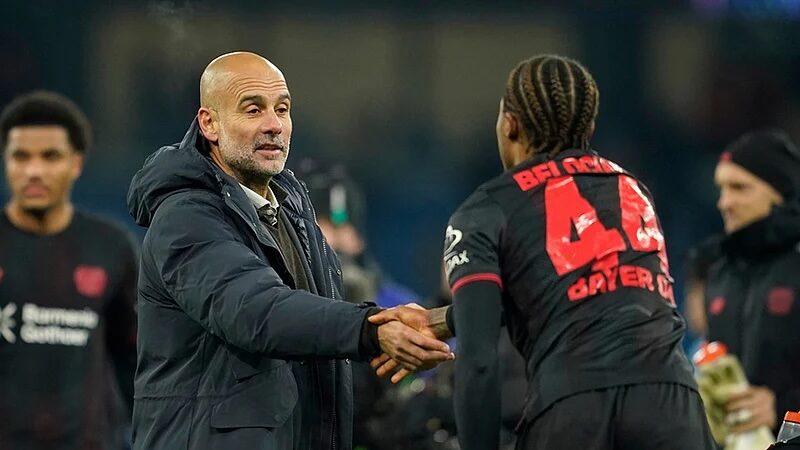
  • Leverkusen stun Man City as Pep’s 100th UCL ends 0-2

    Leverkusen stun Man City as Pep’s 100th UCL ends 0-2

    Key Takeaways(TL;DR):

    • Bayer Leverkusen upset Manchester City 2-0 at the Etihad on November 25, 2025.
    • Pep Guardiola’s 100th Champions League game as City manager ended in defeat.
    • Goals: Alejandro Grimaldo (23′) and Patrik Schick (54′); Grimaldo netted his 8th of the season.
    • Keeper Mark Flekken made key saves, including a late stop from Rayan Cherki’s free-kick.
    • City bossed the ball but were cut open by counters; 10 changes in the lineup hurt rhythm.
    • City’s first home group-stage loss in seven years, and first league phase defeat since 2018.

    On a night meant to mark a milestone, Manchester City were handed a sharp lesson. Bayer Leverkusen walked into the Etihad on November 25, 2025, and left with a 2-0 win that felt both clinical and calm. It was Pep Guardiola’s 100th match in the Champions League as City manager, but the scoreline and the patterns told a different story: City had the ball, Leverkusen had the plan.

    Goals from Alejandro Grimaldo and Patrik Schick turned the occasion into a shock. The result dents City’s group campaign and adds a rare statistic: their first home defeat in the Champions League group stage in seven years, and their first league phase loss since 2018.

    A milestone night turned upside down at the Etihad

    Guardiola marked the century by rotating heavily. He made 10 changes from the last lineup. The idea was clear: keep legs fresh and spread the minutes. But it cut City’s rhythm. The passing patterns were there. The edge was not.

    Erling Haaland started on the bench and came on after the break. By then, Leverkusen had grown into the game and set their trap. Even with City’s star striker on the pitch, the tide did not turn.

    “Rotation is fine—ten changes in the UCL? That’s asking for trouble.”

    How Leverkusen’s plan beat Manchester City’s possession

    Leverkusen did not chase shadows. They chose their moments. With wing-backs tight and midfielders pressing the right spaces, they blocked the middle and sprung forward when City lost the ball. It was a classic counter plan, but done with discipline.

    City kept the ball for long spells. But every turnover carried a threat the other way. Leverkusen broke quickly and cleanly, hitting the open lanes behind City’s press. It took only a few breaks to change the game’s feel.

    Grimaldo’s bolt and Schick’s header: the decisive moments

    The first goal on 23 minutes summed it up. A sharp counter, a smart pass, and Alejandro Grimaldo finished with a ruthless left-foot shot into the bottom-right corner. It was his eighth goal of a standout season and a reminder of his growing role as a leader for this team. He has doubled his tally from last season already, and the timing of this strike could not have been better.

    Five minutes into the second half, Patrik Schick doubled the lead with a precise header. The cross found him on the move, and he guided it past the goalkeeper with ease. At 2-0 on 54 minutes, Leverkusen were in control. The Etihad fell quiet.

    “Grimaldo’s finish was class—but where was City’s shape?”

    Pep Guardiola’s rotation gamble and the Haaland question

    Guardiola’s decision to change 10 players will draw debate. It broke up partnerships and slowed the tempo in key areas. City’s passing was tidy but not sharp. The press lacked bite, and the transition defense looked open.

    Bringing on Erling Haaland in the second half was the obvious move. But Leverkusen had set the terms by then. The back line held firm. The midfield screen kept the gaps small. Haaland saw little service that truly hurt the visitors.

    These are the nights that fuel big questions: did City’s rotation go too far? Is there too much load on a few stars to solve games late? On this evidence, the balance was off. The plan cost City control of the most important moments.

    “If Haaland can’t change it off the bench, the plan was wrong from minute one.”

    Mark Flekken’s saves and Leverkusen’s defensive steel

    While the counter goals will headline, Leverkusen’s keeper Mark Flekken deserves credit. He made key stops at the right times, turning City’s half-chances into frustration. His command settled the team during the late push.

    The best example came late on when Rayan Cherki lined up a free-kick. It bent on target, but Flekken was there to deny any lifeline. That save underlined the theme of the night: City could play, but Leverkusen could answer.

    City’s seven-year home record falls — and what it means

    The numbers are stark. This is City’s first Champions League group-stage home defeat in seven years. It is also their first league phase defeat since 2018. Those markers show how rare this result is. They also show how well Leverkusen executed.

    For City, the immediate impact is on the group table. Zero points on the night tightens the margins. There is time to respond, but the cushion is thinner. The performance will also be studied inside the club. Expect a recalibration of rotation in key fixtures.

    Why Leverkusen’s win travels

    This was more than a smash-and-grab. It was a smart game plan carried out with focus. The wing-backs and midfield pressed hard. The counters were direct and clean. The finishers were sharp. Grimaldo and Schick took their chances with no fuss.

    Leverkusen walk away with a vital away win and a boost in the group standings. They also leave with belief. If you can win at the Etihad, you can win anywhere in this competition. This result will travel with them.

    Final word: lessons for both sides

    For Guardiola, the message is simple. Rotation has a limit. Ten changes on a Champions League night can tilt the balance too far. City’s possession remains elite, but the transitions must be protected, and the press must bite. The rhythm needs to return fast.

    For Leverkusen, this is proof of concept. Stay compact. Break fast. Trust your finishers. Trust your keeper. On a milestone night in Manchester, the visitors showed all of that and more.

    City will be back; they always are. But on this night, the story belongs to Leverkusen — organized, ruthless, and fully deserved winners.

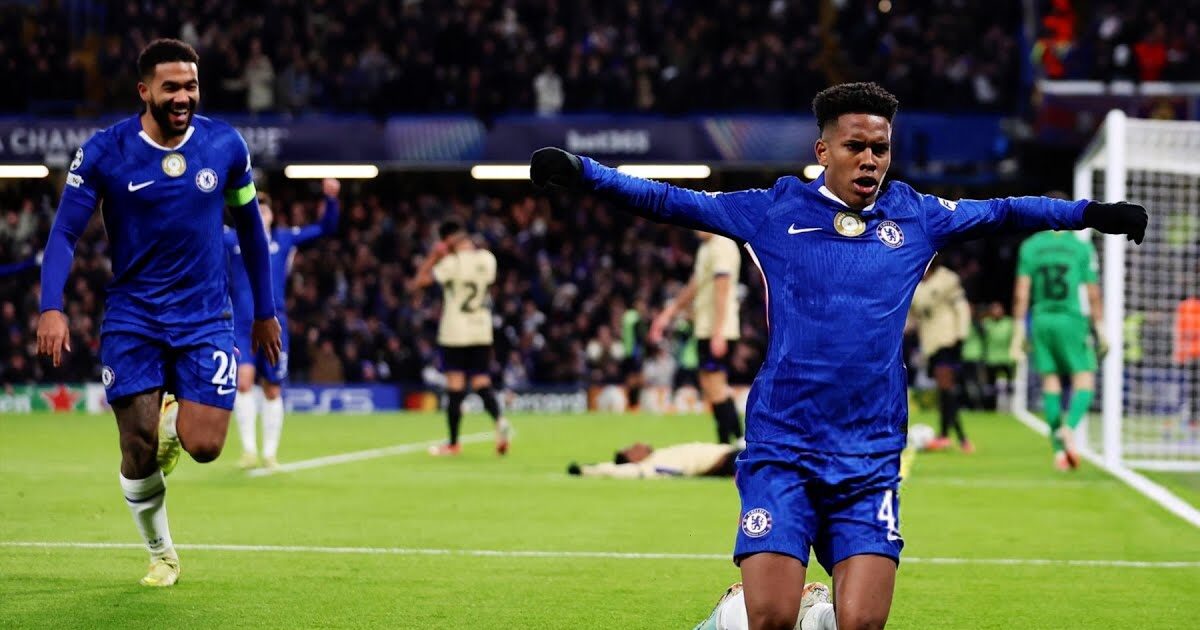
  • Chelsea punish 10-man Barcelona in statement 3-0

    Chelsea punish 10-man Barcelona in statement 3-0

    Key Takeaways(TL;DR):

    • Chelsea 3-0 Barcelona at Stamford Bridge in the UEFA Champions League league phase.
    • Ronald Araújo sent off before halftime for a second yellow after a tackle on Marc Cucurella.
    • Goals: Jules Koundé own goal (27′), Estevão solo strike (55′), Liam Delap close-range finish (73′).
    • Chelsea had a goal disallowed for offside shortly after halftime.
    • Win moves Chelsea toward the top-eight automatic knockout spots; third league-phase victory.
    • Barcelona suffer a fourth loss in 10 games; pressure mounts on coach Hansi Flick before key fixtures vs Eintracht Frankfurt, Slavia Prague, and FC Copenhagen.

    Chelsea picked a perfect night to make a statement. On November 25, 2025, at a loud Stamford Bridge, the Blues beat Barcelona 3-0 in the UEFA Champions League league phase. It was not just the score. It was the control, the timing, and the sense that this team has found a sharper edge in Europe.

    Barcelona ended the first half with 10 men after Ronald Araújo was sent off for a second yellow card. By then, Chelsea were already in front after a defensive mix-up turned into a Jules Koundé own goal. After the break, Estevão—the teenager many fans have been waiting to see shine—added a brilliant solo goal. Liam Delap then finished the night with a close-range strike. It felt simple, but it was also the product of clear ideas, smart pressing, and calm play with the ball.

    Chelsea seize the moment before halftime

    The game’s first major swing came in the 27th minute. A low Chelsea cross forced panic in the Barcelona box, and Koundé sliced the ball into his own net. It was not pretty, but it rewarded Chelsea for pushing the pace and testing Barcelona’s back line.

    Then, just before the break, came the match’s biggest flashpoint. Araújo, already on a yellow, lunged into a tackle on Marc Cucurella. The referee did not hesitate: second yellow, red card. With Barcelona down to 10, the path opened for Chelsea to manage tempo and pick their moments. The call was by the book, and the impact was immediate. Barcelona had to reshape, defend deeper, and choose their risks.

    “Barça’s problem wasn’t the red card—it was the panic after it.”

    Estevão’s breakout: a goal that felt like a promise

    Right after halftime, Chelsea actually had the ball in the net again, only for the flag to go up for offside. No matter. The second did come on 55 minutes, and it came with flair. Estevão beat two defenders with quick feet and balance, then tucked the finish away. It was the kind of moment fans remember: a young player seeing the space, trusting his dribble, and taking charge.

    This was more than a highlight. It showed a growing trust within the team. Chelsea looked comfortable feeding the winger and letting him attack 1v1. When a side is confident, the risks feel smaller and the rewards bigger. Estevão’s run summed up that belief.

    “Estevão looks like the spark Chelsea have been waiting for.”

    Delap seals it as control turns into comfort

    By the 73rd minute, the pattern was set. Chelsea were patient, moved the ball well, and waited for gaps. When the chance came, Liam Delap reacted fastest, finishing from close range to make it 3-0. This was game management at its best: turn pressure into chances, turn chances into goals, and leave no way back for the opponent.

    Across the second half, Chelsea’s shape stayed tidy. The midfield protected the back line, the wingers tracked runners, and the full-backs picked moments to join in. Barcelona could not build rhythm. With 10 men, they needed a set-piece or a breakaway to change the mood, but Chelsea did not allow cheap chances.

    What the result means in the league phase

    With this win—their third of the league phase—Chelsea moved provisionally into one of the top eight automatic qualifying slots for the knockout rounds. In the new format, that matters a lot. Finish inside the top eight, and you skip the playoff round. Finish outside it, and your path gets harder and longer.

    For Barcelona, the picture is now tense. They started the night level on points with Chelsea. They ended it facing a climb. They have key games to come against Eintracht Frankfurt, Slavia Prague, and FC Copenhagen. To avoid the playoff pathway, they will need clean performances and points in all three.

    “Is Hansi Flick the right fit if the basics keep breaking?”

    Pressure rises on Hansi Flick after a fourth loss in 10

    This was Barcelona’s fourth defeat in their last 10 games across all competitions. The red card was costly, yes, but the issues began before it: loose passing under pressure, poor box defending, and lapses in decision-making. These are habits that strong teams punish. Chelsea did just that.

    Flick’s approach is under the microscope. Barcelona at their best are bold and tidy, but this version struggled to find control. With a busy stretch ahead in Europe, and league games also stacking up, the questions will get louder unless results swing fast. A clear plan for game management—especially when a man down—has to be top of the fixes list.

    A wild Champions League night beyond London

    The shockwaves were not limited to Stamford Bridge. On the same night, Pep Guardiola’s Manchester City fell to Bayer Leverkusen, a result that kept their group tight and gave the evening a wider sense of surprise. Leverkusen’s Patrik Schick summed up that drama from his side of Europe: “It feels wonderful and we gave everything till the last second.” Different stadium, different storyline, same theme—this league phase is unforgiving, and big names are being tested.

    For fans and analysts, nights like this feed the bigger story: in the Champions League’s new format, momentum can flip fast. Chelsea used the moment. Barcelona could not. Manchester City found how thin the margins can be. The table may not settle for weeks.

    Chelsea’s return to a clear identity

    Beyond the scoreline, this felt like a return to a clear, simple identity for Chelsea: strong shape without the ball, speed and width in attack, and no panic in front of goal. Even the disallowed goal did not knock them off track. They managed the game from a place of calm, and that calm carried them to a big win.

    If this becomes the standard, Chelsea will be a team others want to avoid in the knockouts. They showed they can handle chaos, make smart choices, and let their young talent express itself in the right zones of the pitch.

    The bottom line

    Chelsea 3, Barcelona 0. A red card was a turning point, but the performance was the real story. Chelsea were sharper, cleaner, and braver in the big moments. They now sit closer to the Champions League’s top-eight spots, which bring automatic passage to the knockouts. Barcelona, meanwhile, face a tougher road and louder questions for Hansi Flick.

    November nights at Stamford Bridge have seen a lot over the years. This one will be remembered as a night where a young star announced himself, a team found its flow, and a giant from Spain left with more to fix than just discipline.

  • Marseille vs Newcastle: Momentum meets jeopardy

    Marseille vs Newcastle: Momentum meets jeopardy

    Key Takeaways(TL;DR):

    • Marseille vs Newcastle United kicks off Tuesday, November 25, 2025 at 20:00 UTC at the Orange Velodrome in the UEFA Champions League.
    • Marseille have 3 points from 4 group matches; they crushed Ajax 4-0 at home but have struggled overall.
    • Newcastle arrive boosted by a 2-1 win over Manchester City, Eddie Howe’s first ever victory over Pep Guardiola.
    • In the Champions League standings noted, Marseille rank 25th; Newcastle are 6th.
    • Marseille injuries: Nayef Aguerd, Amir Murillo, Facundo Medina, Hamed Traore, Amine Gouiri are out.
    • Newcastle injuries: Anthony Gordon, Will Osula, Yoane Wissa, Kieran Trippier, Harrison Ashby are sidelined.

    The Orange Velodrome under the lights. A famous roar in Marseille. A Newcastle side riding a fresh wave of belief. This Champions League meeting on Tuesday, November 25, 2025 (20:00 UTC) is more than a group-stage date; it feels like a fork in the road for both clubs, with form, pride, and a real shot at the knockout rounds hanging in the balance.

    What’s at stake in Marseille vs Newcastle

    Marseille have found this group hard going, even with one big high. They have 3 points from 4 matches, but one of those nights was unforgettable: a 4-0 home win over Ajax. That result showed what the Velodrome can do when the team and crowd lock in together. Still, the path to the knockouts is tight and steep.

    Newcastle arrive with wind in their sails. A 2-1 win over Manchester City on Saturday didn’t just add three points. It gave Eddie Howe his first win over Pep Guardiola in 17 attempts. That is a psychological shift. In the Premier League they have 15 points from 12 games and sit 14th, but this European trip is a chance to turn league frustration into continental momentum.

    For context on the wider picture: in the Champions League standings referenced, Marseille sit 25th and Newcastle 6th. Labels do not win games, but they set a tone for what each side needs tonight. For Marseille, it’s survival. For Newcastle, it’s control.

    “Is the Velodrome still worth a goal when the pressure hits?”

    Marseille’s test: turn home fire into points

    The Velodrome remains a fortress when the mood is right. That 4-0 demolition of Ajax proved it. But consistency is the issue. Marseille have struggled to build runs, and in Europe there is no hiding place. One misstep can flip a group.

    Injuries add to the challenge. Marseille will be without five names: Nayef Aguerd, Amir Murillo, Facundo Medina, Hamed Traore, and Amine Gouiri. Each absence shrinks options for the coach, especially in defense and attack. It also places more weight on the starters and on set-piece planning, where squad depth often matters most.

    So what will the approach be? Expect urgency, width, and early shots to wake up the stadium. Marseille will want to pin Newcastle back, feed off second balls, and get the first goal. If they can score early, this becomes their rhythm and their game.

    “Newcastle beat City; now show it travels in Europe.”

    Newcastle’s momentum meets a hostile stage

    For Newcastle, Saturday was more than a win. It was a statement that they can handle elite pressure and still find a way. A victory over Manchester City should bring calm and clarity into this tie. The target here: manage the chaos, keep the ball when needed, and break at pace when space opens up.

    Yet the Magpies are shorthanded too. Anthony Gordon is working back from a groin issue. Will Osula, Yoane Wissa, Kieran Trippier, and Harrison Ashby are also out. That affects width, crossing quality, and leadership at the back, especially with Trippier unavailable. Squad answers will be vital: set pieces must be smart, and the press must be coordinated.

    Newcastle’s Premier League form shows a team still finding stability (15 points, 12 games, 14th place), but Europe can be a different story. If they keep shape and use counter-attacks wisely, they can quiet the crowd and tilt the match their way.

    “If Trippier and Gordon are out, who brings the killer ball?”

    Key battles and simple tactics to watch

    • First 15 minutes: Marseille need a fast start. Newcastle need to ride the wave. Win this spell, win the mood.
    • Wide areas: With injuries on both sides, who wins the flanks matters. Crosses, cutbacks, and 1v1s will decide big chances.
    • Set pieces: In tight European games, corners and free kicks are gold. Delivery and blocks in the box could be the difference.
    • Transitions: Marseille push, Newcastle break. One loose pass and the game can flip in three touches.

    Both coaches will preach control. For Marseille, that means quick passing and early shots to keep the stadium engaged. For Newcastle, that means clean exits from the back and simple patterns to find runners. Keep it simple. Do it fast. Do it right.

    Head-to-head and the mental edge

    The matchup has been tight. In two previous meetings, Marseille won 2-0 once, and another match finished 0-0. That record suggests a narrow, tense game where one goal can define the night.

    This time, the mental side looms large. Marseille need belief after bumps in Europe. Newcastle want to prove that beating City was not a one-off. The first major chance, a big save, or even a hard tackle could swing momentum for good.

    Selection dilemmas and who must step up

    With Marseille’s injuries, depth players may get a stage to claim. Whoever starts in the attacking line must be brave, shoot when the chance comes, and track back when Newcastle counter. The crowd will lift them, but decisions in the final third must be cool.

    For Newcastle, losing Kieran Trippier narrows set-piece options and leadership on the right. Others must take the delivery role and keep the tempo steady. The forwards must time runs well, because one clean break could be enough.

    Prediction: a tight, high-stakes chess match

    Expect an intense, sometimes scrappy game. Marseille’s home energy will drive the early moments. Newcastle’s recent high should bring composure under stress. With both teams carrying injuries, this could be decided by a set play, a quick counter, or a single error.

    One thing is clear: the stakes are heavy. Marseille need points to keep knockout dreams alive. Newcastle want to lock in their strong position and send a message that their rise travels beyond England. Under the bright lights of the Velodrome, small details will feel huge.

    Final word: If Marseille score first, the stadium will roar and the game tilts. If Newcastle score first, calm heads and game control could follow. Either way, expect drama.

  • Man City vs Leverkusen: Guardiola’s UCL century night

    Man City vs Leverkusen: Guardiola’s UCL century night

    Key Takeaways(TL;DR):

    • Kickoff 20:00 UTC at the Etihad; first-ever UEFA Champions League meeting between Manchester City and Bayer Leverkusen.
    • Pep Guardiola celebrates his 100th Champions League game as Manchester City manager.
    • City sit on 10 points (3W, 1D) after four games; Leverkusen have 5 points (1W, 2D, 1L).
    • Rodri is sidelined (ankle). Leverkusen’s listed XI features Flekken; Ocian, Bade, Quans; Ella, Aza, Grdo; Tillman, Poku, Schick.
    • Leverkusen scored 5 of their 6 UCL goals after halftime but have only one win in their last six UCL away games.
    • Consensus preview pick: Manchester City 2-0 with a clean sheet.

    Manchester City welcome Bayer Leverkusen to the Etihad Stadium on Tuesday night for a UEFA Champions League Group Stage clash that carries weight for both sides. Kickoff is set for 20:00 UTC. It is their first-ever meeting in the competition, and it arrives with a storybook milestone: Pep Guardiola is set to manage his 100th Champions League match in charge of City.

    City want a quick reset after a narrow 2-1 loss to Newcastle United over the weekend. Leverkusen arrive with belief, fresh off three straight wins in all competitions. Put simply: both teams need points, and both have reasons to think they can grab them.

    Kickoff, venue, and how to watch the Champions League tie

    The match takes place at the Etihad Stadium, a ground where City usually set the tone early with the ball. The whistle goes at 20:00 UTC. Fans in the USA and other regions can find the game on official Champions League broadcast partners and streaming platforms in their territories, following regional rights.

    “Guardiola’s 100th in Europe at the Etihad — that’s a statement night.”

    Why this night matters for Manchester City and Leverkusen

    City sit on 10 points from four games (three wins, one draw). In simple terms: they have done the hard work early. A win here would lock in control of their group finish and keep momentum rolling into the final matchday.

    Leverkusen stand on five points (one win, two draws, one loss). They need something from Manchester to protect their place in the knockout phase chase. Even a draw would help, but a win would be a huge swing with only one group match left.

    Form guide: City’s reset vs Leverkusen’s surge

    City’s 2-1 defeat at Newcastle was tight and tense, but Europe is a different stage. Under Guardiola, City’s Champions League home form has been a strength. They dominate the ball, move opponents around, and manage risk well.

    Leverkusen, meanwhile, have stacked three straight wins across competitions. They also took a smart 1-0 away win at Benfica and earlier this season smashed Borussia Dortmund 4-1 at home, breaking a strong run. The warning is real: this team can finish.

    But the away European record is the concern. Leverkusen have only one win in their last six Champions League games on the road. Also note their pattern this season: five of their six Champions League goals have come after halftime. They grow into matches. If they hang around, they can hurt you late.

    “If City score early, can Leverkusen’s second-half surge still flip it?”

    Pep Guardiola’s European century: what it means

    Reaching 100 Champions League matches as City’s boss is more than a number. It speaks to years of control, clear ideas, and constant tweaks. City’s European identity under Pep has been about pinning teams back, cutting out counters, and trusting star quality to find the gaps.

    On a night like this, City will want to show they can manage emotion and tempo. An early goal usually turns the Etihad into a runway. A clean sheet would also fit the script for a landmark match.

    Team news and likely lineups

    City’s big miss is Rodri, sidelined with an ankle issue. Otherwise, there are no major new worries listed. That helps Guardiola keep his structure in place, even without his anchor.

    Leverkusen’s listed starting XI includes goalkeeper Flekken; defenders Ocian, Bade, and Quans; midfielders Ella, Aza, and Grdo; and a forward line of Tillman, Poku, and Schick. The forward Patrik Schick is a known finisher; if Leverkusen find space, he can make one chance count.

    Tactics and matchups: where the game can turn

    • City’s control vs Leverkusen’s counters: Expect City to flood midfield zones and move the ball side to side. Without Rodri, quick passing and smart positioning will be key to stop breaks.
    • Second-half pressure: Leverkusen’s goal trend after the break is no fluke. They adjust well and push late. City must keep focus in minutes 60–90.
    • Set-piece attention: In tight games, corners and free kicks swing it. City will try short, clever routines; Leverkusen may look for direct service to Schick.
    • Clean-sheet hunt: Previews expect City to shut the door. That means winning duels early and denying long switches that stretch the back line.

    “City clean-sheet watch: control first, risk later. Don’t feed the counter.”

    Stakes and scenarios: what the result means

    For City, three points would settle nerves and likely set up a cushy route into the knockouts. It would also put a shine on Guardiola’s 100th Champions League game with the club.

    For Leverkusen, a point keeps their path alive. A win would be a jolt to the group and a message to the rest of Europe that their form is not just a domestic story. With only one away win in their last six Champions League trips, though, they must be smarter and sharper than usual.

    Prediction: City to manage the moment

    Given City’s control at home, Leverkusen’s away record in Europe, and the clean-sheet trend in forecasts, the call here is simple and firm: Manchester City 2-0 Bayer Leverkusen. City to start on the front foot, protect space behind, and finish the job with a second goal after halftime.

    This game should be a test of patience as much as power. If City keep the ball and cut out errors, they should celebrate Pep’s big night with a composed win. If Leverkusen hang around, watch that late surge. Either way, expect a strong, serious European match with real stakes and little room for mistakes.