Tag: Philip Rivers

  • Cam Newton Blasts Colts Over Philip Rivers Return

    Cam Newton Blasts Colts Over Philip Rivers Return

    Key Takeaways(TL;DR):

    • Cam Newton says he has never retired from the NFL and is still ready to play if a real chance appears.
    • Newton called the Indianapolis Colts signing 44-year-old Philip Rivers instead of him “a slap in my face, bro.”
    • Newton believes teams avoid him because of his strong personality and the media attention he brings, calling it a “blacklist.”
    • Rivers, who last played in 2020 with the Colts, came out of retirement to join their practice squad as a veteran backup.
    • The Colts leaned on Rivers’ past success in Indianapolis and his comfort with head coach Shane Steichen and the system.
    • At 36 and last in action in 2021, Newton questions why a 44-year-old gets the call while he does not.

    Cam Newton is not done with football. At least, not in his mind.

    The former NFL MVP has made it clear on his podcast, 4th & 1, that he never officially retired and does not plan to. But his latest comments are about more than just a possible comeback. They are about respect, image, and who gets a second (or third) chance in the NFL.

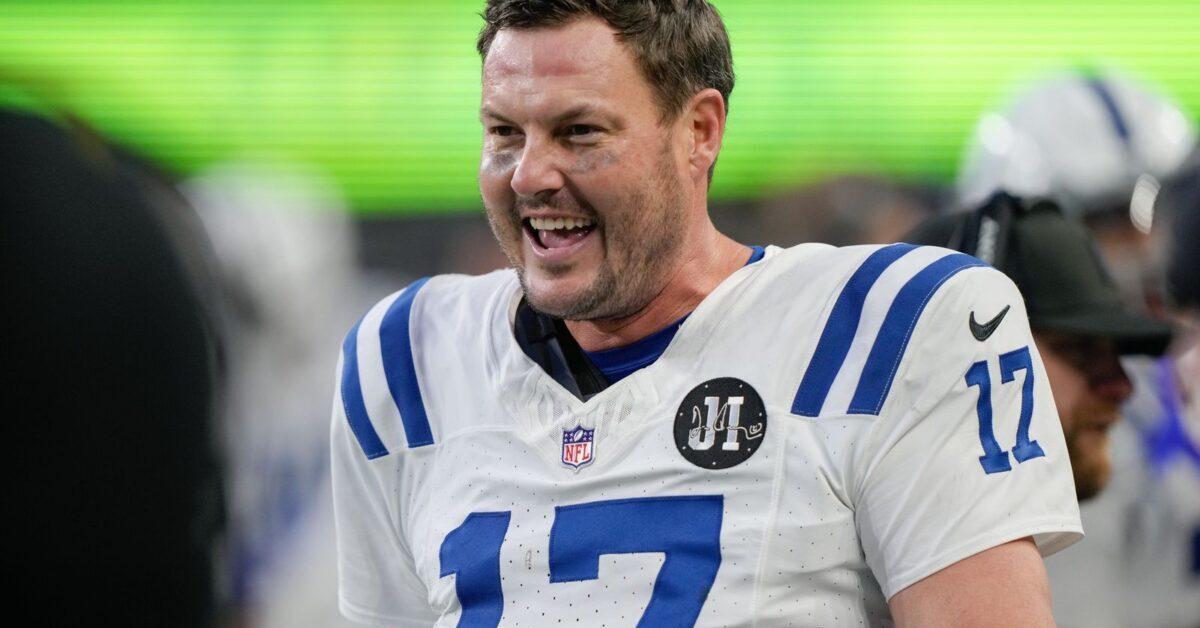
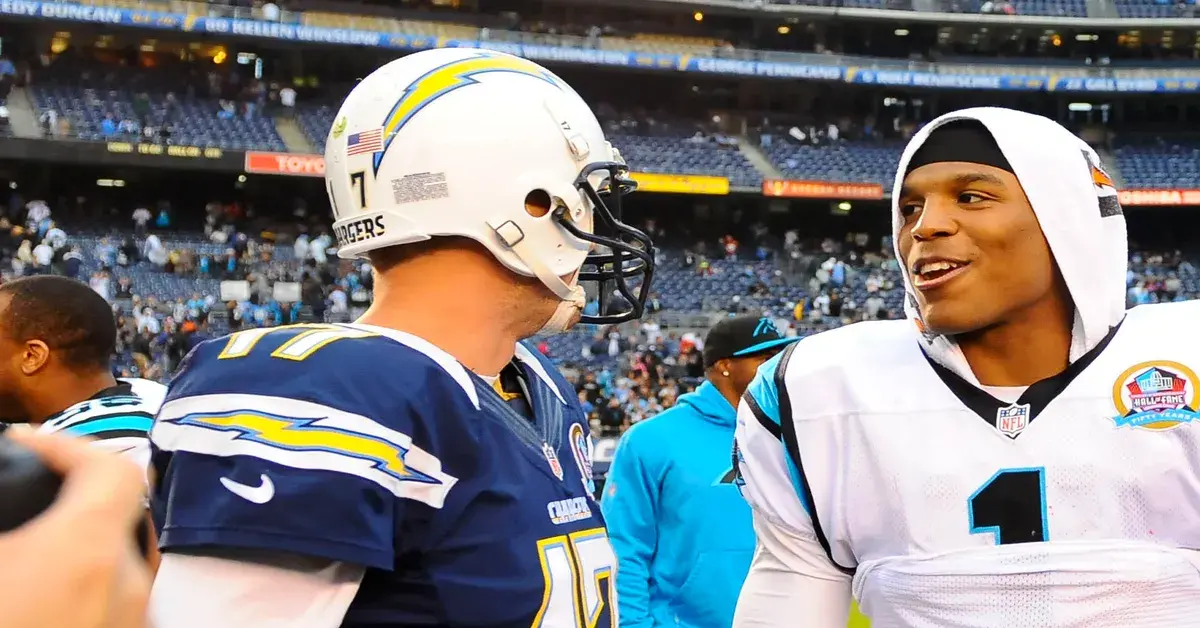
    When the Indianapolis Colts chose 44-year-old Philip Rivers as their veteran backup instead of even calling Newton, the quarterback took it personally. Very personally.

    Cam Newton: “I did not and will not retire”

    Newton, now 36, wants everyone to know he is still open for business.

    On 4th & 1, he shut down any idea that his career ended on his own terms.

    “I did not and will not (retire), because of an opportunity like this,” Newton said. For him, every time a team looks for a veteran quarterback, that is the kind of moment he is waiting on.

    When asked if he would have considered playing for the Colts, his answer was blunt and simple: “Hell yeah.” He believes he is still in good enough shape and sharp enough mentally to help a team right now.

    Newton last played in the NFL in 2021. That is about four years more recent than Rivers’ last real action in 2020. From a pure timeline point of view, Newton feels he makes sense. But the league, at least so far, does not agree.

    “If Cam says he’s not retired, why is the league acting like he is?”

    The Colts pick Rivers over Newton – and the sting is real

    The flashpoint in this story is the Colts’ decision to sign Rivers, who is 44, instead of even giving Newton a workout.

    Indianapolis is in a tough spot at quarterback. Daniel Jones, brought in as a veteran option, suffered a season-ending Achilles injury. Young starter Anthony Richardson has also faced injuries. The team needed a steady backup who could handle the offense right away.

    So they turned to a familiar face. Rivers, who played for the Colts in 2020 and led them to an 11-5 record, came out of retirement to join their practice squad as an emergency veteran option. He recently signed a one-day ceremonial retirement contract earlier in 2025, which helped him move through certain waiver rules and kept the door open for a return.

    For the Colts, the move made sense on paper. Rivers already knew the building, the playbook, and the culture. He has a strong relationship with head coach Shane Steichen and praised the club as “a coach that I love and an organization that I really enjoyed being with.”

    But for Newton, the move felt like an insult.

    He called it “a slap in my face, bro,” and did not hold back on why it bothered him so much.

    “I don’t give a damn if (Rivers) was in the family. He’s 44 years old, bro,” Newton said. In his view, there is no football reason why a 44-year-old who has been out of the league since 2020 gets called before a 36-year-old who last played in 2021.

    Newton’s anger: about more than just one contract

    Newton’s frustration is not just with the Colts. It sounds like he sees the Rivers decision as another sign of a bigger problem.

    He believes teams hold him to a different standard than other quarterbacks. As he put it: “How are people holding Cam Newton to a standard that you’re not holding everybody else?”

    From his point of view, most of this has nothing to do with arm strength, speed, or football IQ. Instead, he points to his personality, his style, and the attention he naturally brings. Newton has always been outspoken, from his celebrations to his press conferences, and he thinks that spotlight now works against him.

    Reports say he has even used the word “blacklist” to describe his place in today’s NFL. In his mind, teams are not just passing on him; they are avoiding him, even when he might be a logical football choice.

    “If the Colts can call a 44-year-old, how is Cam not at least getting a workout?”

    Why the Colts saw Rivers as the “safe” answer

    To understand the full picture, you also have to see why the Colts felt Rivers was the right fit.

    From the team’s side, Rivers checks several key boxes:

    • He already ran their offense in 2020.
    • He led them to an 11-5 season and a playoff spot.
    • He has a strong bond with the coaching staff and front office.
    • He is known as a steady, low-drama locker room presence.

    In a season hit by quarterback injuries, the Colts did not want to start from zero with a new veteran. They wanted someone who could walk in, grab a tablet, and be ready to back up quickly. Rivers, who has stayed close to the game, fit that description perfectly for them.

    His emotional tie to the Colts also mattered. He called it “a coach that I love and an organization that I really enjoyed being with,” and that feeling was clearly mutual. That comfort level can be huge when a team is trying to steady the ship mid-season.

    From that angle, the move feels logical. But logic does not erase emotion, especially for a former MVP watching from home.

    The image problem: star power vs. “quiet” veterans

    Newton’s comments also shine a light on how teams think about risk, even beyond Xs and Os.

    Newton brings cameras, debates, and headlines, even as a backup. Every snap he takes in practice becomes a topic on shows and social media. Every quote turns into a talking point.

    For some front offices, that can feel like a distraction, especially when the player is not the clear long-term starter. Newton seems to believe that this fear of attention is a major reason he is still unsigned.

    Rivers, by contrast, fits the classic image of a quiet veteran: respected, family-centered, and not likely to spark daily talk-show debates if he is standing on the sideline with a headset on.

    That difference in public image may be as important as age or scheme fit in decisions like this. Newton knows it, and he clearly resents it.

    “Teams love Newton’s talent but fear Newton’s spotlight. That’s the real battle here.”

    Is Cam Newton really “blacklisted” by the NFL?

    The word “blacklist” is strong, and Newton has reportedly used it to describe how he feels the league now treats him. It is a serious claim, but it captures the pain behind his words.

    From his view:

    • He is younger than Rivers.
    • He has played more recently.
    • He says he is healthy and ready.
    • He is clearly willing to accept a backup role, at least in theory.

    Yet, teams continue to go in other directions.

    Is that because of scheme fit? Age concerns? Past injuries? Or is it more about personality, brand, and how much attention he brings? The truth is probably a mix of all of those factors. But to Newton, the pattern is simple: he is being shut out while older, more comfortable names still get calls.

    His complaint also taps into a larger, ongoing NFL theme: which quarterbacks are allowed to be “big personalities” and still get long careers as backups, and which ones are told, in effect, “thanks, but no thanks” once they are no longer clear-cut stars.

    What this means for Newton’s future – and the league’s

    Right now, Newton is in a strange middle space. He is not retired, by his own choice. But no team has moved to bring him in. Each time a club signs another veteran, it adds another layer to his frustration.

    The Rivers signing with the Colts is about more than one job. It is a symbol of how teams weigh factors that fans rarely see on a stat sheet: comfort, familiarity, media pressure, and control of the locker room story.

    For Newton, it is also a reminder that his path back to the NFL may not depend only on how he throws a football. It may depend on whether any front office is willing to accept everything that comes with the name “Cam Newton,” even as a backup.

    Until that happens, he is going to keep talking, keep pushing, and keep making sure the league knows one thing:

    In his mind, he is not retired. And he is not done fighting to prove he still belongs.

  • Philip Rivers Battles Time as Jon Gruden Doubts a Comeback

    Philip Rivers Battles Time as Jon Gruden Doubts a Comeback

    Key Takeaways(TL;DR):

    • Philip Rivers keeps playing through age, leading the Indianapolis Colts while adjusting his game.
    • Sports Illustrated highlights his trend lines, leadership, and smart adaptations despite fewer physical tools.
    • He moved from the Chargers to the Colts and embraced change late in his career.
    • Jon Gruden makes it clear he doubts a Rivers NFL comeback, pointing to recent choices and health.
    • Fans and analysts should temper expectations about any return to the field.
    • The bigger story: how veteran stars balance performance, pride, and longevity in today’s NFL.

    Philip Rivers has never been the fastest or the strongest. What made him special was how he saw the game and how he led people. That skill, more than any throw, is what keeps him going with the Indianapolis Colts. And yet, the clock does not stop. As talk of the future grows louder, one voice — former coach Jon Gruden — is pouring cold water on the idea of a Rivers comeback down the line. That tension between belief and biology is the heart of this story.

    The Colts’ veteran quarterback vs. Father Time

    Sports Illustrated frames it simply: Rivers is fighting Father Time. Every veteran faces this. For a quarterback, it shows up in tight windows that feel a bit tighter, and in throws that demand perfect timing, not just arm strength. Rivers knows this. He has adjusted to stay on the field and stay in control.

    With the Colts, he is leaning into what he does best. He changes plays at the line. He speeds up decisions. He uses rhythm and trust with receivers. He gets the ball out and lets the offense work. The article points to performance trends and leadership that still matter, even if the physical edge is not what it once was.

    The message is clear: age is real, but so is the value of experience. Rivers understands how to turn a game into a puzzle and solve it in real time.

    “He doesn’t win on speed anymore—he wins on smarts.”

    Leadership and adaptation define Philip Rivers

    When we talk about veteran quarterbacks, we often ask if the arm is still there. For Rivers, the better question is: can he still guide a team for four quarters? The Sports Illustrated lens says yes, and it points to leadership and adaptation as the reasons why. He is steady in the huddle. He brings confidence to a young roster. He keeps the offense on schedule.

    These changes are not flashy. They are small. A faster throw to the flat. A safer check on second down. A quick step to avoid a hit. These moves add up. They keep drives alive and they protect the ball. It’s the craft of a veteran who knows that winning is about details, not highlight reels.

    From Chargers to Colts: a late-career reset

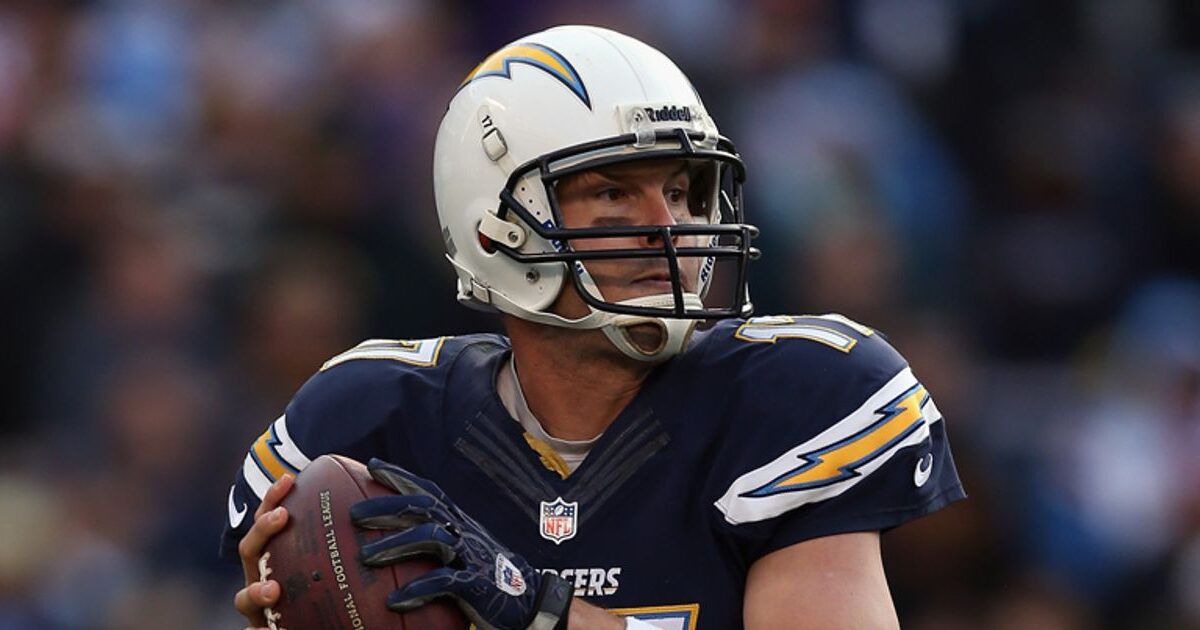
    Rivers’ move from the Chargers to the Colts was more than a change of address. It was a reset. New colors. New teammates. A new way to lead. That kind of shift late in a career is hard, but it can also unlock a fresh edge. The summary notes that he embraced the challenge and found ways to keep his level steady.

    That transition matters. It reminds us that leadership travels. Systems change. Playbooks change. But a quarterback’s voice in the locker room and on the sideline can still carry a team. For a franchise, that is priceless. For a veteran, it is a path to stay valuable when the body starts to slow.

    “If the mind is sharp, the arm can follow—don’t count him out.”

    Jon Gruden throws cold water on a Rivers NFL comeback

    Now comes the hard part: the future. Newsweek reports that former NFL coach Jon Gruden made his view clear on the idea of a Philip Rivers comeback. In short, he’s skeptical. Based on Rivers’ recent choices and the reality of his body, Gruden does not see a return to active play as likely.

    That opinion matters because it reflects what many inside the league think. Coaches and executives tend to weigh risk and health first. Gruden’s stance tells fans to temper hopes. It does not erase what Rivers has done, or what he could do in a pinch. But it does frame the conversation: if Rivers steps away, the odds of him coming back are slim.

    “Comeback talk is fun, but health and legacy should lead.”

    What this means for the Colts and for fans

    For the Colts, the lesson is simple. Enjoy the veteran you have, because he gives you a smart, steady shot every week. Build the plan around what he does best: timing, protection, and quick reads. Keep the game on schedule. Make third downs short. Let him operate.

    For fans, this is also about expectations. Rivers can still lead, teach, and compete. But if he leaves the field, a return is unlikely, based on the tone from voices like Gruden’s. That means the team should prepare for what comes next while still chasing wins right now. Both things can be true at once.

    The bigger NFL picture: aging stars and the endgame

    Rivers’ story fits a larger NFL theme. Great quarterbacks now play longer than ever. But the end is still a cliff, not a hill. One year the body answers the call. The next year it doesn’t. The best veterans buy time with brains, not brawn. They adapt. They rely on structure and timing. They pass on wisdom and leave a blueprint for the next starter.

    That is why this moment matters. It shows how the league treats aging stars: with respect for what they know and care for how they feel. It also shows how important clear talk can be. Gruden’s view may sting for fans who dream of one more run. But it sets fair expectations and protects the player from pressure that does not fit the reality.

    In the end, Philip Rivers is still doing what he has always done: competing, leading, and problem-solving under bright lights. If a comeback becomes the question later, the answer — if we believe Gruden and the broader league mood — is likely no. But right now, the lesson is to value what he brings today. Experience travels. Leadership lasts. And even when time wins, the great ones make that final stretch count.