Tag: National Team

  • Zidane’s ‘Soon’ puts Madrid and France on alert

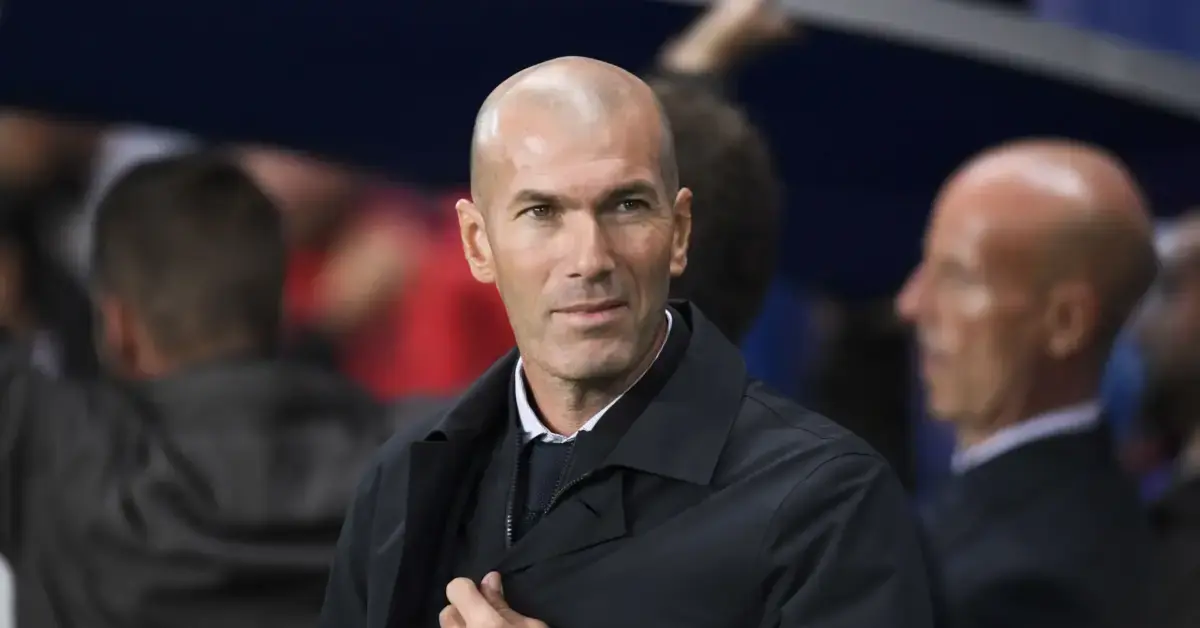
    Zidane’s ‘Soon’ puts Madrid and France on alert

    Key Takeaways(TL;DR):

    • Zidane’s return is imminent: multiple reports in mid-November 2025 say the former Real Madrid boss is close to coaching again.
    • At a charity gala, Zidane teased his comeback with a single word: “Soon.”
    • He’s linked to Real Madrid amid internal pressure on current manager Xabi Alonso.
    • Reports indicate he’s poised to take the France job after the 2026 World Cup, when Didier Deschamps is expected to step down.
    • Zidane has turned down major offers as he weighs the right moment and project.

    In a sport that thrives on whispers, one word can tip the market. Zinedine Zidane needed just one: “Soon.” As of mid-November 2025, multiple reports confirm the French icon is on the verge of returning to the dugout. It has electrified two power centers of world football at once — Real Madrid and the France national team — and reignited the perennial question: where does Zidane’s aura belong next?

    The one-word teaser that moved a market

    At a charity gala, Zidane kept it brief. Asked about his future, he smiled and said, “Soon.” That single beat landed like a drumroll. It wasn’t an abstract nod to “one day.” It sounded like a timeline. The subtext is clear: he’s ready to coach again, and the decision phase is upon us.

    For clubs and federations, “Soon” compresses the room for hesitation. It pressures incumbents, clarifies shortlists, and mobilizes intermediaries. For fans, it sparks the fantasy of a savior’s return.

    “If Zidane says ‘soon’, someone’s seat just got hotter.”

    Two doors: Bernabéu or Les Bleus

    The reporting converges on two credible pathways. First, the Real Madrid link is back in lights. Zidane, a former Madrid boss, is connected once more to the Bernabéu amid internal pressure on current manager Xabi Alonso. In Madrid, the bar is insatiable, and the allure of a proven leader returning to stabilize a season is perennial.

    Second, the longer arc points to the France national team. Reports indicate Zidane is poised to become the next manager following the 2026 World Cup, when Didier Deschamps will step down. It is the job many have always believed was destined for him: steward of a golden talent pool, face of a nation’s footballing identity.

    Timing is everything

    Because the calendar governs modern football, the timing here is pivotal. Mid-November is when seasons crystallize, pressure mounts, and boards take stock of trajectories. It’s also less than a year before the 2026 World Cup, when the France handover could come into view.

    Reading the signals, “Soon” could mean two different timelines: a near-term club move if a Madrid inflection point arrives, or a patient runway to the France post while maintaining optionality. Both roads are credible; both are strategic.

    “Club legend or national savior—where does his aura fit best?”

    The calculus: daily grind vs. tournament mastery

    Zidane has reportedly turned down major offers while weighing his options. That alone tells you the decision isn’t financial; it’s philosophical. A club role offers daily control, tactical iteration, and the chance to shape a squad week to week. International management is about rhythm and moments — preparation windows, tournament arcs, and the pressure of making every camp count.

    For someone of Zidane’s stature, the trade-offs are stark. A return to Madrid would be an immersion back into the relentless cadence of elite club football. Taking France post-2026 would be about legacy and national stewardship. He knows both stages carry monumental expectations; he appears to be choosing the one that best fits his timing and temperament.

    Reading the Madrid room

    The Madrid link is specific for a reason. The club’s standards are unforgiving, and speculation naturally intensifies when the words “internal pressure” and “Xabi Alonso” appear in the same sentence. Even without sensationalism, the logic is straightforward: if there’s a wobble, Madrid historically looks to proven hands. Zidane’s past connection to the club and his readiness to coach again make him the most obvious emergency brake — or the bold reset button.

    But it’s a delicate dance. Endorsing a return is one thing; executing the timing without destabilizing a season is another. “Soon” can be clarifying, but it can also be destabilizing if not managed with care inside Valdebebas.

    “Turning down offers tells you: Zidane is picking the stage, not the paycheck.”

    France 2026 and beyond

    The France scenario is a different kind of inevitability. Reports suggesting he’s poised to take over after the 2026 World Cup line up with the notion that Didier Deschamps will step down at that point. If so, the French FA would be ushering in a seamless transition from one era-defining leader to another.

    For Zidane, that’s a clean runway: no mid-season turbulence, no quick fixes, just a clear mandate to build the next chapter. The allure is obvious. The risk, less so: waiting can mean watching other opportunities evaporate, and football’s landscape changes quickly.

    What “Soon” likely means

    In practical terms, Zidane’s “Soon” reads like a coach signaling availability while maintaining leverage. It galvanizes interest without committing to a shirt. It also explains why he has turned down offers; if the right stage is within reach, why settle for something that doesn’t fit?

    Whether the final turn is toward the Bernabéu or Clairefontaine, the timing will hinge on external triggers: results, boardroom calculations, and the World Cup clock. Zidane has always managed noise well. Here, he’s controlling it.

    The bottom line

    The facts, as they stand, are straightforward and impactful: multiple reports say Zinedine Zidane’s coaching return is imminent; he has publicly teased it; Real Madrid and post-2026 France are the two most coherent destinations; and he’s been selective enough to turn down major offers while waiting for the project that aligns with his ambitions.

    And so, the market waits. Madrid weighs the present. France eyes the future. Zidane, calm as ever, has spoken just enough to set the stage. The next word from him won’t be a teaser. It will be a decision.

  • Tuchel’s England reboot: turning a headache into 2026 edge

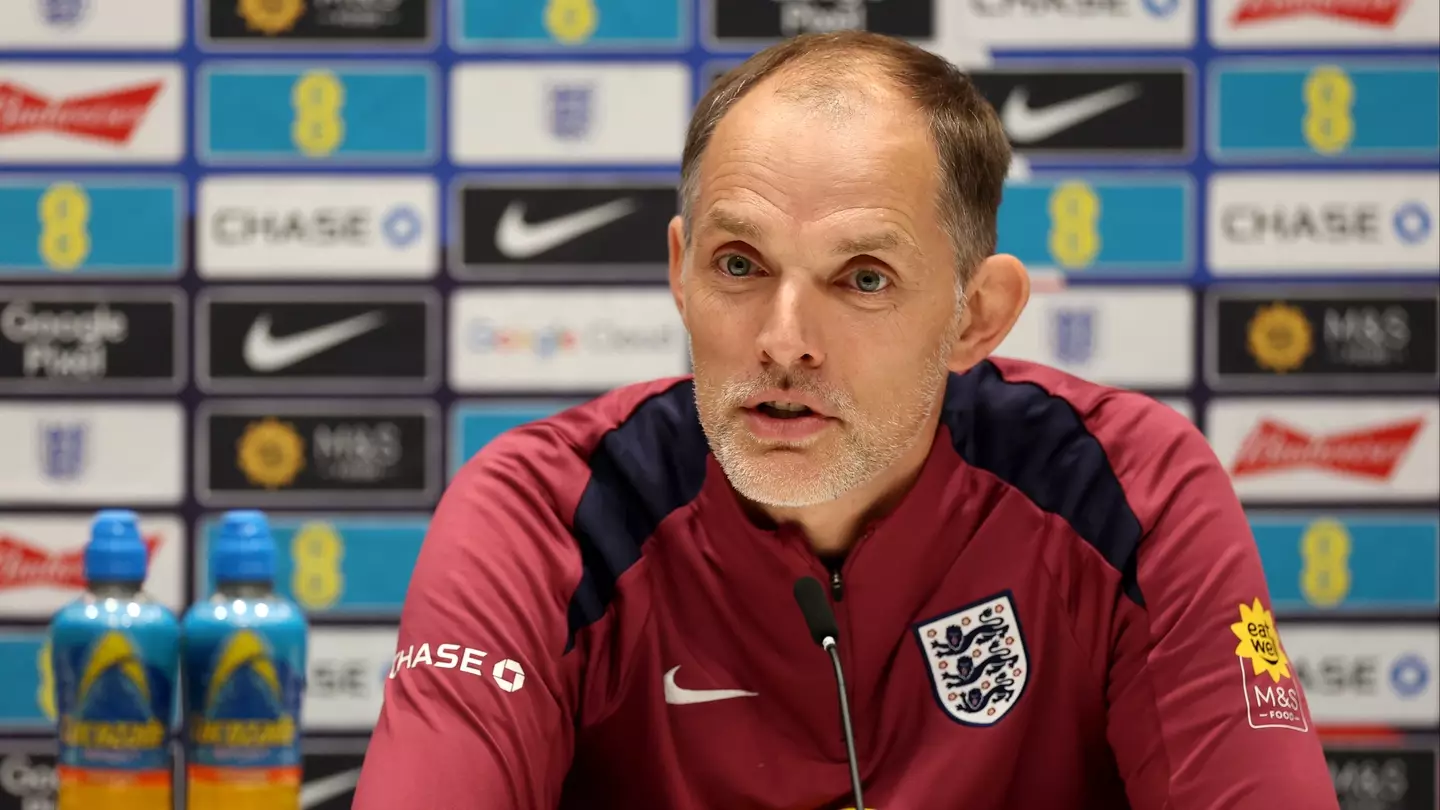
    Tuchel’s England reboot: turning a headache into 2026 edge

    Key Takeaways(TL;DR):

    • Thomas Tuchel is reshaping England with ruthless selections and a singular aim: win the 2026 World Cup.
    • He says Harry Kane, Jude Bellingham and Phil Foden cannot all start together under the current setup.
    • System tests include a failed 4-4-2 vs Senegal; a back three is under consideration but not yet used.
    • Midfield core shaping around Declan Rice, Jordan Henderson and newcomer Elliott Anderson, with Ruben Loftus-Cheek recalled.
    • World Cup squad likely to include only two strikers; No.10 options behind Bellingham include Cole Palmer and Rogers.
    • Early 2025 camps were expanded to assess options; a firm, coherent plan is expected by May 2026.

    Thomas Tuchel did not take England to make friends. He took it to win the 2026 World Cup. Since arriving in January 2025, the former Chelsea strategist has set about imposing a sharper identity on a team that often felt caught between star power and structure. His message has been blunt: big reputations won’t shield anyone if they disturb the balance. “I am not afraid of making the tough calls and leaving big names out,” Tuchel has said. In other words, this is a meritocracy with a clock ticking down to North America.

    A mandate with a deadline

    Tuchel’s brief is unambiguous: get England over the line in 2026. That urgency has informed his early months. The first camps were deliberately broad, a trawl through form and fit, designed to learn quickly before narrowing the funnel. He’s now pivoting from discovery to definition — creating competition, but more importantly, clarity. The nation expects a plan, not a popularity contest.

    The non-negotiable: balance over stardom

    The headline tension is a modern one: how do you fit Jude Bellingham, Harry Kane and Phil Foden in the same XI without the whole system listing to one side? For now, Tuchel’s answer is simple: you don’t. He has been candid that the trio cannot all play together in the current setup. It’s a brave stance, but a coherent one. The aim is to pick the best team, not just the best names. That might mean a world where a superstar sits so the system sings.

    “Pick the best team, not the biggest names. Finally.”

    Shape-shifting, not shapeless

    Tuchel’s tactical record suggests flexibility with firm principles. He trialed a 4-4-2 — notably in an unsuccessful outing against Senegal — and has openly considered a back three, the platform that turbocharged his Chelsea tenure. Yet he’s resisted a wholesale switch, for now. “Right now, I’m not planning to change formations but it is always an option,” he said, keeping opponents guessing while grounding players in consistent roles.

    The key is not endless tinkering; it’s purposeful evolution. England will not be a tactical circus. But Tuchel is leaving the door ajar for a system change should personnel and form demand it. That’s pragmatic coaching, not indecision.

    Midfield is the hinge

    Every successful Tuchel side has a clear midfield spine. England’s version is coalescing. Declan Rice is a lock for control and coverage. Jordan Henderson brings leadership and tempo management. Elliott Anderson’s emergence as a newcomer offers energy and a two-way engine that Tuchel clearly values. And then there’s Ruben Loftus-Cheek, recalled after nearly seven years — a marker of the coach’s willingness to revisit profiles he trusts for tactical specificity.

    Tuchel is still open about the exact mix and roles, signaling that midfield is where he’ll tolerate short-term uncertainty in pursuit of long-term cohesion. But read the tea leaves and the plan is straightforward: a compact, intelligent core that protects transitions, allows a true No.10 to roam, and frees Kane from dropping into traffic to solve problems.

    “If Bellingham, Foden and Kane can’t all start, who blinks first?”

    The Kane rule and the striker squeeze

    Perhaps Tuchel’s most ruthless selection principle to date: he plans to take only two out-and-out strikers to the World Cup. Harry Kane is the immovable piece; the second seat will spark fierce competition. The logic is clear. Extra forwards who can’t press or link inside Tuchel’s structure are a luxury he won’t afford when those slots could go to hybrid profiles who unlock different shapes.

    This also underlines why the midfield and No.10 configuration is so pivotal. If the line behind Kane is dynamic and balanced, England don’t need a buffet of strikers; they need synchronized runners and decision-makers who convert possession into pressure.

    No.10: Bellingham, plus challengers

    In the creative corridor, Tuchel appears set on a small cadre: three players for that attacking midfield berth, with Jude Bellingham practically inked in. The competition, as things stand, includes the craft of Cole Palmer and the vertical threat of Rogers. This is not about celebrity — it’s about task specificity. Who reads space, who breaks lines, who presses with purpose? Tuchel’s answer will determine which star watches key minutes from the bench.

    Wing play, width and the back-three question

    Calls to revert to a back three will persist, not least because of Tuchel’s success with the shape at club level. It remains an option rather than an identity at this stage. The manager’s priority is repeatable patterns — width that stretches blocks, timings that create the third-man runs he loves — and a pressing structure that doesn’t collapse when the first line is broken. A back three may accelerate some of that. But it will be deployed on Tuchel’s terms, not out of nostalgia.

    “Back three or not, just give England an identity.”

    Fast-tracking the future

    Tuchel’s broader squad view is refreshingly unsentimental. Prospects like Myles Lewis-Skelly are being fast-tracked, not as marketing moments but as genuine succession planning. Fresh legs and fearless minds can tilt tight tournaments. Bringing the next wave into high-performance environments now ensures England aren’t caught short if injuries bite in 2026.

    From wide net to narrow core

    Through 2025, Tuchel deliberately cast a wide net, “learning” in early camps before promising to narrow and harden selections in subsequent windows. By spring 2026, the aim is a trimmed, drilled group with clearly defined jobs. Expect four to five midfielders to travel, with Rice, Henderson and Anderson close to certainties as things stand. Expect only two strikers. Expect a maximum of three No.10-style operators — Bellingham plus two fighting for balance and form.

    The broader message is unmistakable: England’s World Cup list will be a product sheet of roles, not a roll call of fame.

    Risk, reward and the World Cup equation

    This is not risk-free. Leaving out a marquee name can inflame a dressing room and a nation. Sticking with a back four while flirting with a back three courts accusations of caution. But Tuchel’s edge has always been his clarity under pressure. When he speaks of competition and clarity, it’s not a slogan; it’s a blueprint to remove excuses. The mandate is to be tournament-ready — compact without being conservative, expressive without being indulgent.

    England under Tuchel will make tough choices before the World Cup so they don’t have to make excuses after it. The plan is pragmatic, the tone uncompromising, and the timeline set. If the 4-4-2 vs Senegal was a lesson, the back-three talk is a lever, and the Kane–Bellingham–Foden conundrum is an opportunity to prove selection courage. The next six months will tell us whether England have swapped comfort for conviction. That, more than any system diagram, is how you turn a headache into an edge.