
Key Takeaways:
- DeMarcus Cousins urged the Lakers to swap Austin Reaves for Suns wing Dillon Brooks, calling Brooks a “culture changer.”
- Mat Ishbia, the Suns’ owner, instantly shut down the talk on X, saying the Suns are not interested and Brooks “is not going anywhere.”
- The Lakers sit third in the West but rank 24th in defense, making a two-way wing appealing in theory.
- Dillon Brooks, 29, is shooting about 46.1% FG, with 3.1 rebounds, 1.7 assists, 1.3 steals, and 34.3% from three.
- Austin Reaves, 27, is injured and headed for unrestricted free agency, fueling rumors he could leave the Lakers.
- Both teams are playoff hopefuls, which makes a mid-season swap of starters unlikely.
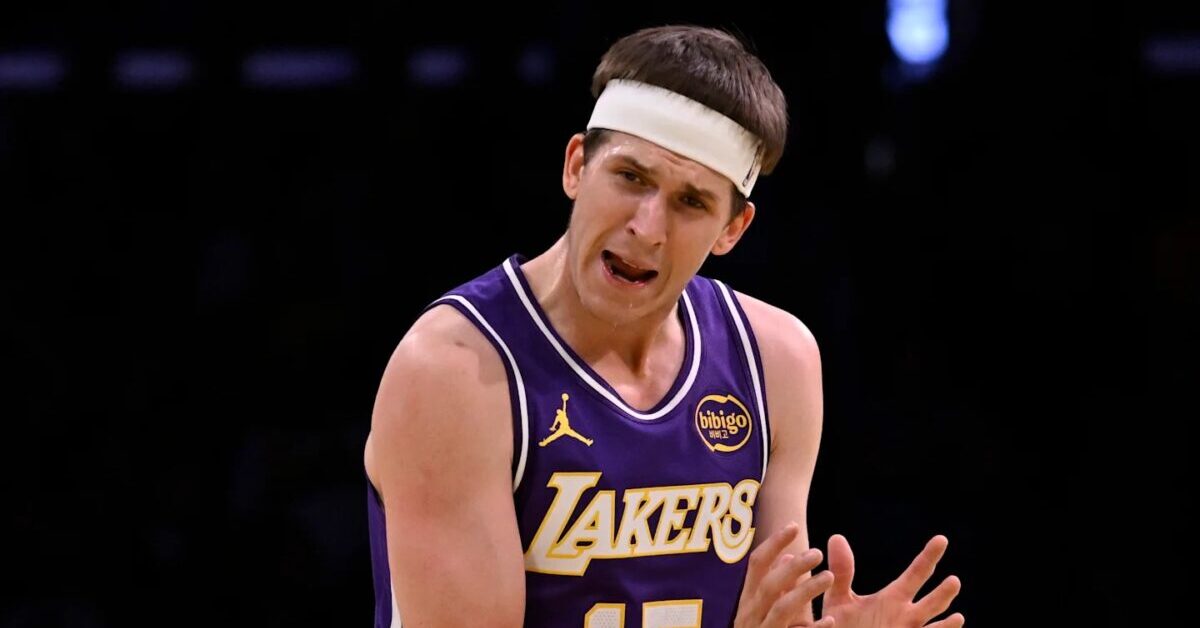
On Monday, a bold trade pitch from a former All-Star set NBA social feeds buzzing and Lakers fans debating. DeMarcus Cousins went on FanDuel’s Run It Back and lobbied hard for the Los Angeles Lakers to make a move: send guard Austin Reaves to the Phoenix Suns for forward Dillon Brooks. Within hours, Suns owner Mat Ishbia stepped in on X (Twitter) and slammed the door shut. The idea, he made clear, isn’t happening.
Cousins’ proposal wasn’t shy. He framed Brooks as the exact kind of two-way wing the Lakers have been missing and called the swap a no-brainer for a team eyeing a deep postseason run. The twist? Ishbia’s response was even more direct: “Don’t bother calling… Suns aren’t interested. Dillon’s not going anywhere.”
Inside Cousins’ Pitch: A Two-Way Fix for the Lakers
Cousins didn’t mince words about the Lakers’ flaws or Brooks’ fit. “He’s a culture changer. He’s a winner,” Cousins said. “When we discuss the obvious deficiencies within this Lakers squad, he perfectly fits their current needs. Acquiring a two-way player instead of a one-dimensional player is a no-brainer.”
It’s easy to see why that message resonated. The Lakers are third in the Western Conference, but their defense sits 24th. They’ve battled injuries and uneven lineups. In that frame, a rugged wing who guards, talks, and spaces the floor sounds like exactly the sandpaper they lack.
“Do the Lakers need defense and edge, or more ball-handling? That’s the whole debate.”
Why Phoenix Slammed the Door
The Suns didn’t toy with the rumor. Ishbia’s public reply made the franchise’s stance crystal clear: Dillon Brooks is part of their identity and is not on the market. Phoenix values his tenacity — the kind of toughness and edge they’ve prized since reshaping the roster around the Kevin Durant trade. Even if a deal could add bench depth, the Suns like the bite Brooks brings every night and aren’t willing to sacrifice it.
There’s also practical timing. Both the Lakers and Suns are in the playoff hunt. Dealing away a starter-level wing for a guard who is currently injured — and headed toward unrestricted free agency — is a massive mid-season gamble. From Phoenix’s point of view, it’s unnecessary risk for little certainty.
The Numbers on Brooks: What He Actually Brings
Beyond the chatter, Brooks’ recent production tells a simple story. At 29, he’s shooting about 46.1% from the field on 17.1 attempts per game, and he contributes 3.1 rebounds, 1.7 assists, and 1.3 steals nightly while hitting 34.3% from three. He plays hard, he defends, and he can make open shots. That blend is the blueprint for a modern two-way wing.
There was some confusion in conversations about a “46.4” number tied to Brooks; context around the discussion points to his field-goal percentage being roughly 46.1%, not points per game. What matters for the Lakers’ purposes is the profile: a physical, sturdy defender who won’t hijack the offense and who holds his own from deep.
“If Phoenix believes Brooks is a tone-setter, there’s no price the Lakers can pay mid-season.”
Where This Leaves Austin Reaves
Reaves is a different kind of player — more ball-handling, more comfort in pick-and-roll, and a better passer. He’s 27, well-liked, and has been a key part of the Lakers’ offense. But he’s also injured right now and set to hit unrestricted free agency, with fresh whispers that he could leave the Lakers this summer. That combination sparks trade talk even if L.A. loves his game.
From a team-building view, the question isn’t if Reaves can play; he clearly can. It’s whether his skill set is what this roster needs most today. The Lakers are short on two-way wings and long on guards who need the ball. That’s the tension Cousins tapped into with his proposal.
The Lakers’ Dilemma: Identity vs. Continuity
Teams chasing a title often face a choice: trade for “identity” pieces or trust the core you have to sort it out. The Lakers’ defense ranking (24th) says they need a jolt on that end. Their place near the top of the West says they’re close enough to talk themselves into sticking with the plan.
Would Brooks’ on-ball defense and toughness swing a playoff series? Maybe. Would moving Reaves cost the Lakers the secondary playmaking they lean on when stars sit or double-teams hit? Also maybe. These questions are why trade-deadline weeks are messy, and why front offices earn their paychecks.
“Cousins is saying what many think: L.A. needs a heavyweight wing who defends and doesn’t blink.”
Why This Matters Beyond One Rumor
Even with Ishbia’s firm “no,” Cousins’ idea highlights an important truth about the West: small tweaks can decide big outcomes. In a crowded field, a single two-way starter can tilt a series. The Suns know it. The Lakers know it. That’s why the idea grabbed so much attention in the first place.
It also shows how player voices shape today’s news cycle. Cousins, a former All-Star who knows locker room dynamics, framed the conversation around culture and fit — not just numbers. The reaction from Phoenix was swift, public, and final. In today’s NBA, owners and execs can shut down a rumor in a single post, and fans move on to the next idea by lunchtime.
What’s Next
Don’t expect Suns-Lakers talks around Brooks to magically reappear after Ishbia’s post. Phoenix believes in its mix and in Brooks’ edge. For the Lakers, the search for a defense-first wing will continue in whispers and calls elsewhere, as it usually does this time of year.
And Reaves? He’ll remain central to the Lakers’ plans — or central to their trade rumors — until he’s healthy and there’s clarity on his next contract. For now, Monday’s flare-up was a reminder of how fast the NBA can spin, and how fast one powerful “no” can stop it.
Bottom line: Cousins’ idea was loud, logical, and provocative. Ishbia’s response was louder. The message from Phoenix is simple — and it came straight from the top.