
Key Takeaways:
- Aryna Sabalenka beat Elina Svitolina 6-2, 6-3 to reach her fourth straight Australian Open final.
- The World No. 1 (top seed) defeated the No. 12 seed on the hard courts of Rod Laver Arena in Melbourne.
- The Australian Open 2026 runs from January 18 to February 1.
- The other women’s semifinal: Jessica Pegula vs Elena Rybakina.
- Svitolina arrived hot after routing Coco Gauff in the quarterfinals.
- Historic edition: first time the top six seeds reached the quarterfinals in both draws; men’s semis are Djokovic vs Sinner and Alcaraz vs Zverev.
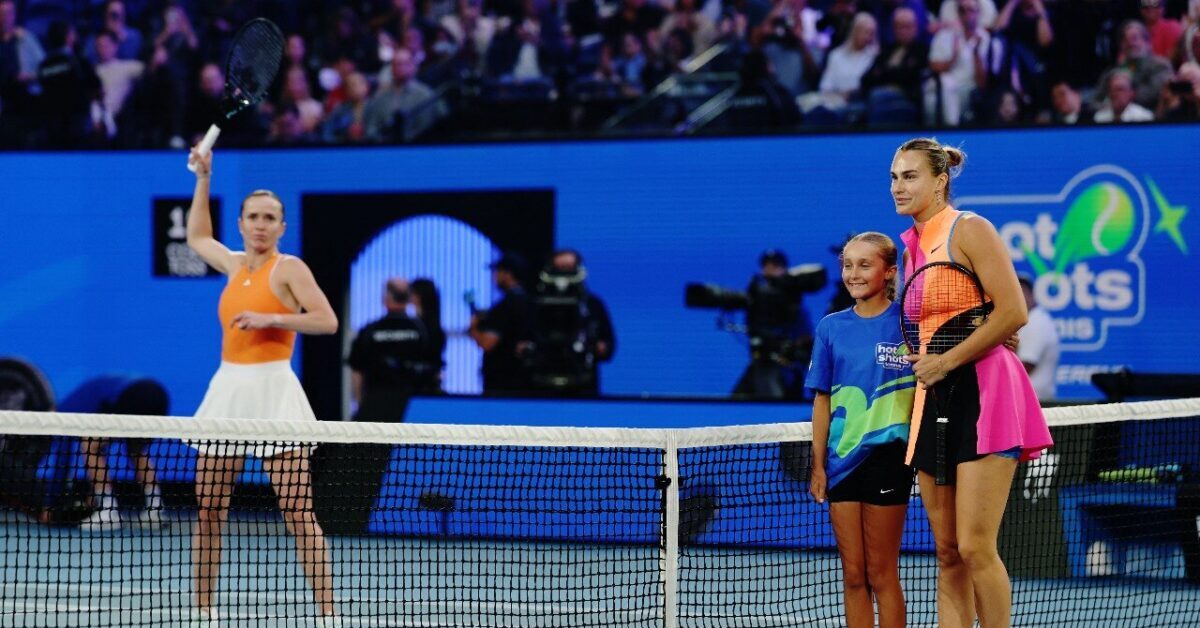
On January 29, 2026, Aryna Sabalenka reminded Melbourne why she is the standard in women’s tennis right now. The World No. 1 powered past 12th seed Elina Svitolina 6-2, 6-3 on Rod Laver Arena, booking a fourth straight Australian Open final. In a tournament that has been rich with storylines, this was the clearest one of all: the top seed is still the player to beat.
The win reads simple on paper, but it says a lot. It speaks to control, to calm, and to a champion’s focus. Sabalenka has built a habit of saving her best tennis for Melbourne’s blue hard courts, and she showed it again under the spotlight.
Clinical, composed, and in command
Sabalenka’s straight-sets victory over Svitolina was clean and decisive. The 6-2, 6-3 scoreline matches what we saw: a match played on Sabalenka’s terms. She struck early, held firm in key moments, and never let the 12th seed settle into long rallies or swing the momentum.
The performance drew immediate praise. As one line of commentary captured it: “So impressive for the world number one. Sabalenka moves through to the final once again in Melbourne. Unstoppable tonight.” Another recap summed up the mood: “Back again! Sabalenka bests Svitolina to reach fourth straight Australian Open final.”
“This looks like a champion who owns the moment.”
Rod Laver Arena has become a familiar stage for Sabalenka in late January. This was not just another semifinal win; it was another confident step in a streak that now spans four consecutive finals at the same major. That kind of consistency is rare. It takes talent, fitness, and a strong mind.
Svitolina’s strong fortnight meets a wall
Elina Svitolina did not arrive flat. She came in hot, fresh off a statement win in the quarterfinals where she routed Coco Gauff. That result suggested this semifinal could be a long duel. Instead, Sabalenka shut the door early and kept it closed.
Svitolina has rebuilt her ranking and her aura over the past year. Her run to the last four here backs that up. Even with this loss, her tournament sends a message: she’s a threat again on the biggest stages.
“Svitolina’s back—but Sabalenka is a level above right now.”
Four in a row: what this run means for Sabalenka
Reaching one Australian Open final is hard. Reaching four in a row is elite. It places Sabalenka in a small circle of players who not only win, but return year after year to the same big match. That speaks to her rhythm in Melbourne, her belief on hard courts, and her ability to handle the weight that comes with the No. 1 seed.
It also matters for the wider landscape. This edition has been unusually orderly at the top. For the first time, the top six seeds in both singles draws reached the quarterfinals. In that kind of field—packed with top talent making deep runs—holding your seed matters even more. Sabalenka has done exactly that.
Australian Open 2026: tournament picture and what’s next
The tournament runs January 18 to February 1, stretching across two weeks where Melbourne lives and breathes tennis. This year’s women’s draw has already delivered surprises and a few reshuffles. The defending champion, Madison Keys, bowed out in the fourth round to Jessica Pegula—a result that opened space on that section of the draw and underlined Pegula’s form.
That matters now because the other semifinal is Jessica Pegula vs Elena Rybakina. Pegula is steady and smart, and her fourth-round win over Keys adds weight to her case. Rybakina brings power, pace, and experience on big stages. Either player will be a serious test in the final. Sabalenka, though, has shown she is ready for any style.
“Pegula’s control or Rybakina’s firepower—who matches Sabalenka best?”
On the men’s side, the semifinals are box office: Novak Djokovic vs Jannik Sinner, and Carlos Alcaraz vs Alexander Zverev. The names underline how strong this year’s tournament is from top to bottom. It also puts Sabalenka’s steady march into sharper view. In a week where favorites have held their ground, she has been the most convincing of all.
How the matchup played out
While we do not need a stat sheet to read this match, the score tells its own story. A 6-2 opening set signaled control. A 6-3 second set closed the door before nerves could creep in. Against an in-form opponent, Sabalenka kept the patterns simple and the pressure high. That’s what the best do in late-round tennis: they avoid drama, and they finish the job.
It was also a reminder of how important first strikes are on hard courts in Melbourne. When Sabalenka sets the tone early in rallies and on return games, she forces opponents to play from behind. That’s a tough place to be against the top seed, especially in a major semifinal.
The stakes in Sunday’s final
With four straight finals now on her resume, Sabalenka stands on the edge of more history. A title would reinforce her status as the sport’s current pace-setter and add another chapter to a Melbourne legacy that gets stronger every year. Whether it’s Pegula’s control or Rybakina’s aggression on the other side of the net, Sabalenka will enter as the favorite—and for good reason.
But that’s the beauty of a major final. One match, one day, one set of nerves. She has done everything right to get here again. Now the task is to do it one more time.
Bottom line
Aryna Sabalenka did what the World No. 1 should do: she imposed her game, respected the moment, and left no doubt. Svitolina’s run, highlighted by a rout of Coco Gauff in the quarters, gives her plenty to build on. For Sabalenka, it’s simple: another final, another chance at the trophy she’s made her own stage.
Melbourne has its marquee act back on the Sunday bill. The only question left is who will share the stage—and whether anyone can slow the player who has owned this fortnight four years running.