
Key Takeaways:
- Rio Ferdinand names a four-man shortlist for Manchester United’s next manager after Ruben Amorim’s exit, including Roberto De Zerbi, Thomas Tuchel and Xavi.
- United plan to appoint Darren Fletcher for the Burnley match, then bring in an interim coach for the rest of the season.
- The club will chase a long-term boss ahead of 2026-27, with Crystal Palace’s Oliver Glasner viewed as the top target.
- Glasner is out of contract with Crystal Palace in June, making a summer move cleaner.
- Other names in the mix (post-2026 World Cup): Michael Carrick, Andoni Iraola, Marco Silva, Kieran McKenna, Eddie Howe, Julian Nagelsmann, Mauricio Pochettino, and Tuchel.
- De Zerbi previously snubbed United interest to join Marseille in 2024.
Manchester United’s manager search has hit a fresh twist. With Ruben Amorim no longer in the frame, a club legend has stepped into the debate by naming his preferred candidates. At the same time, United’s leadership is sketching out a two-step plan to steady the season now and secure a long-term boss for the future.
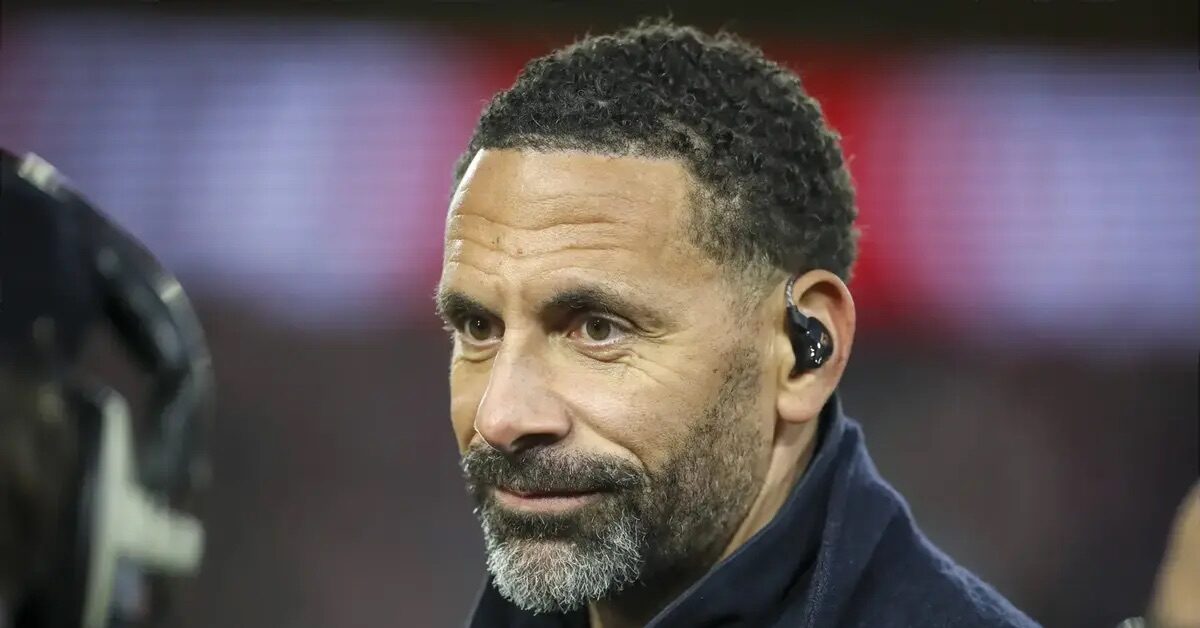
The legend is Rio Ferdinand. The former United captain set out a four-man shortlist for the job, with three standout names front and center: Roberto De Zerbi, Thomas Tuchel, and Xavi. As the club recalibrates after Amorim’s exit from the race, Ferdinand’s list adds star power and a clear idea of the type of coach fans might see at Old Trafford next.
In Ferdinand’s words: “Rio Ferdinand says he wants to see Manchester United appoint either Roberto De Zerbi, Thomas Tuchel or Xavi as Ruben Amorim’s successor.” That is a bold trio—high-profile coaches with strong identities and big-game experience.
Ferdinand’s shortlist: De Zerbi, Tuchel, Xavi
Ferdinand didn’t limit himself to one name. His four-man list—featuring De Zerbi, Tuchel and Xavi among them—points to a desire for a modern, front-foot coach. De Zerbi’s attacking style earned praise across Europe. Tuchel boasts a Champions League title and a reputation for sharp, disciplined teams. Xavi brings a possession-first approach and a belief in youth development.
That mix fits what many United fans want to see: clear patterns, bravery on the ball, and a pathway for young players. But there’s a twist with De Zerbi: per reports, he turned down United interest in 2024 to take the Marseille job. That makes any future push for him more complex.
“If it’s a reset, make it a real reset—identity first, names second.”
United’s interim plan: Darren Fletcher now, caretaker next
Beyond the names, the strategy matters. United plan to appoint Darren Fletcher for the next game against Burnley. That’s the short-term plug. After that, the club will look to hire an interim coach for the remainder of the season. The idea is simple: stabilize the team now, then conduct a fuller, calmer search for a permanent manager.
It’s a measured move. Rushing into a long-term appointment rarely ends well. An interim can keep focus on the pitch while the board builds the right profile for the future boss and lines up the right contract at the right moment.
Oliver Glasner: the long-term target for 2026-27
United’s bigger play points to Oliver Glasner. The Crystal Palace manager is understood to be the top target for the permanent role, with a view to the 2026-27 season. The timing makes sense. Glasner is out of contract with Palace in June, which could make a deal more straightforward and avoid messy mid-season negotiations.
Glasner’s teams are usually well-drilled and smart without the ball, but still try to play when they can. For a club that wants structure and a clear plan, that profile is attractive. The long runway also gives United time to align the squad, the academy, and recruitment around the manager’s style.
“Glasner feels like the grown-up choice—patient, structured, sustainable.”
After the World Cup: the wider pool of candidates
While Glasner leads the line, United’s list is broader. Several coaches could be available once the 2026 World Cup cycle ends. That group includes:
- Michael Carrick (former United caretaker)
- Andoni Iraola (Bournemouth)
- Marco Silva (Fulham)
- Kieran McKenna (Ipswich)
- Eddie Howe (Newcastle)
- Julian Nagelsmann (Germany, contracted until Euro 2028)
- Mauricio Pochettino (USMNT)
- Thomas Tuchel (linked as a post-2026 option)
Each name offers a different path. Carrick and McKenna bring United DNA. Iraola and Silva deliver aggressive, organized football. Nagelsmann and Pochettino are big-ticket leaders used to working with elite talent and pressure. Tuchel is proven at the highest level. The World Cup timeline gives United freedom to wait for the right person rather than just the next available one.
What about De Zerbi?
De Zerbi’s name won’t go away. He’s admired across Europe and, as Ferdinand’s list shows, he appeals to fans who want bold attacking play. But context matters: in 2024, De Zerbi snubbed United interest to join Marseille. If United revisit that door, they’ll need a clearer project and the right timing. Without those, a reunion seems unlikely.
“Shortlists are nice. But can United finally pick a plan and stick to it?”
Why this approach makes sense for Manchester United
The club’s two-step plan—Fletcher for Burnley, an interim for the run-in, then a long-term hire—shows a desire for patience. It gives players clarity now and buys the board time to negotiate from strength, not panic. It also allows United to line up a manager like Glasner without a bidding war or mid-season chaos.
Ferdinand’s shortlist feeds the conversation and keeps the pressure on the club to aim high. De Zerbi, Tuchel and Xavi all bring clear identities. But the most important thing isn’t the name—it’s the fit. United need a coach whose style matches the squad and the club’s long-term vision.
The road ahead
Next up: Burnley, with Fletcher expected to take the reins. After that, an interim should arrive to guide the final stretch. The real drama, however, lies in the months to come, as United sound out Glasner and weigh up the post-World Cup market.
The goal is stability and a reset that lasts. If United get this right, the 2026-27 season could mark a true new chapter under a coach who fits the club. If they rush it, they risk another short-term fix. The signs, for now, suggest a slower, smarter play.
Names will keep flying around. Lists will grow and shrink. But the plan is clear. United have a path—and this time, they’ll be judged on whether they stick to it.