
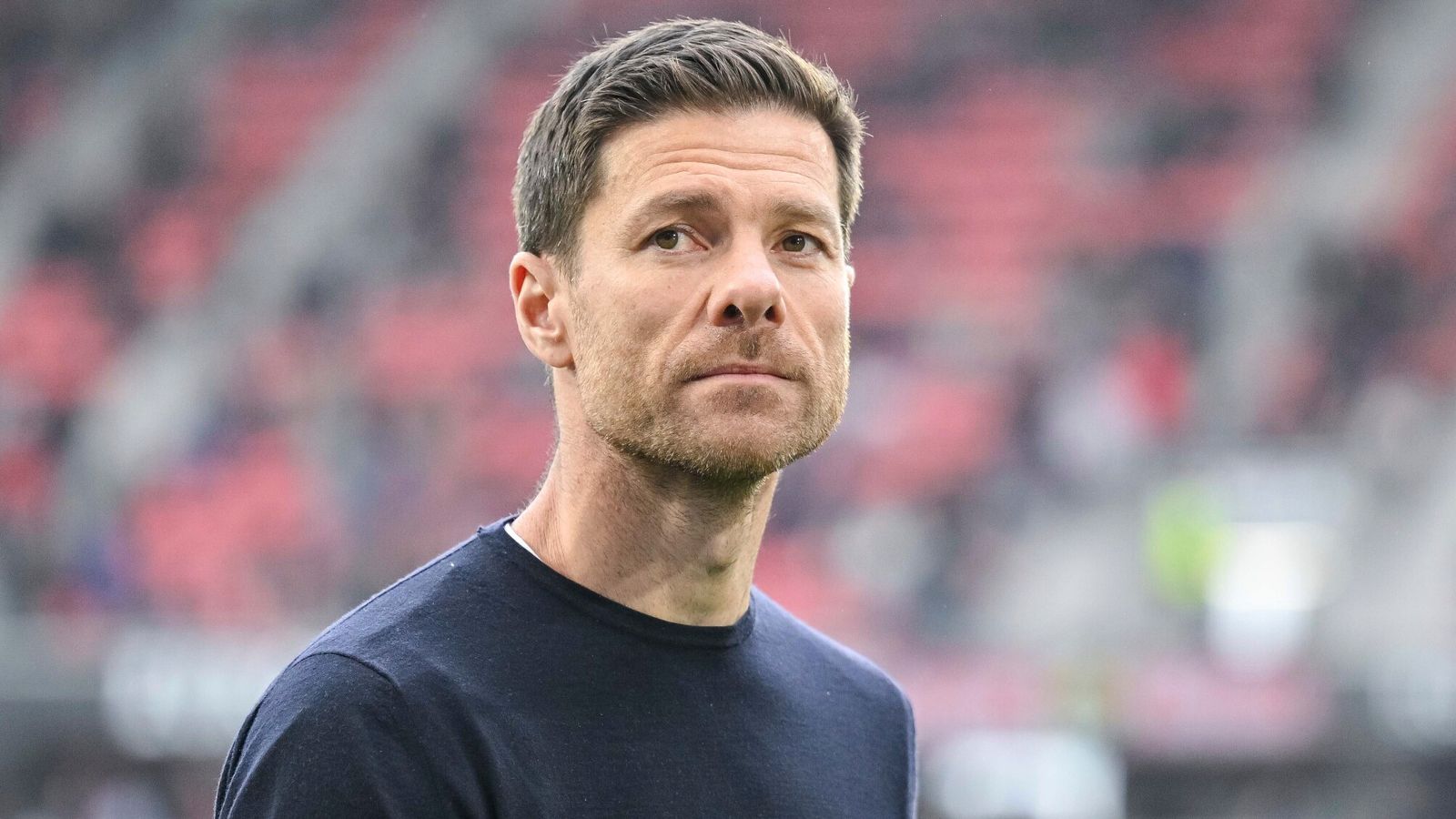
Key Takeaways(TL;DR):
- Real Madrid are standing by head coach Xabi Alonso after the 2-1 Champions League loss to Manchester City.
- Alonso’s contract runs from June 1, 2025 to June 30, 2028 as part of a planned transition from Carlo Ancelotti.
- The club says there are no immediate plans to change manager despite rumours and recent defeats.
- Real Madrid view this as a squad transition era, with aging stars leaving and a new generation being built.
- Alonso still has the backing of the dressing room and club leadership, with patience stressed from the top.
- Upcoming fixtures, starting with Alavés, are seen as key tests where Madrid expect a quick response in results.
The night after a big defeat in Europe is usually when panic starts in Madrid. After losing 2-1 at home to Manchester City on December 10, 2025, many expected the same old story: noise, crisis talk, and calls for a new coach.
This time, though, the club’s message is different. Real Madrid have moved fast to shut down rumours and to send a clear signal to fans and to the football world: Xabi Alonso is not on the brink. He is the project.
Real Madrid’s clear message: patience with Xabi Alonso
In the hours after the Champions League defeat, reports and social media started to buzz with claims that Xabi Alonso might already be under pressure. But Real Madrid have gone public to say the opposite.
Through a clear statement shared via an Instagram caption, the club confirmed they still trust Alonso and have no immediate plans to change the manager. The key words from the club are simple: patience, trust, and support.
The message, paraphrased, is direct: Real Madrid confirm their trust in Xabi Alonso even after the loss to Manchester City. There is no plan right now to make a coaching change, and the club accepts that this is a process. Results must improve soon, but Alonso still has the players and the leadership behind him.
“If you hire Xabi Alonso for a project, you don’t sack him at the first storm – you ride it out.”
For a club as demanding as Real Madrid, this stance matters. It sets the tone for the rest of the season. It also sends a signal to the dressing room: the coach is not a short-term option. He is the one they will be judged with.
Xabi Alonso’s arrival and the end of the Ancelotti era
Xabi Alonso officially became Real Madrid head coach on June 1, 2025, on a deal running until June 30, 2028. The move was not rushed or improvised. The club had already presented him as manager-in-waiting before that date, planning a smooth handover from Carlo Ancelotti.
Ancelotti, one of the most successful coaches in Real Madrid’s history, left behind huge shoes to fill: league titles, Champions Leagues, and a culture of calm under pressure. Replacing such a figure was never going to be easy, especially inside a club where only winning feels good enough.
But Alonso did not arrive as a stranger. He returned as a former player who had already lifted trophies in white. When he was appointed, an official announcement stressed that he was coming back to “lead the next generation” after winning silverware as a player. That line matters. It shows that Real Madrid always saw this as a long-term plan, not a quick fix.
The club spoke of patience from day one, aware that the team would go through a transition phase with veterans leaving and young players needing time to grow.
The Manchester City defeat: painful but not decisive
The 2-1 defeat to Manchester City in the Champions League was a blow. Madrid took the lead, only to see City come from behind and grab a comeback win, as confirmed in the match reports and highlights.
Yet there was something notable in the reaction from inside the club: no public criticism of Alonso. No leaks suggesting he had “lost the dressing room”. No briefings against his tactics. The talk, instead, has been about the performance, the details, and the need to turn close games into wins.
Match reports describe a tough, high-level game between two of Europe’s top sides, but they do not show a club ready to break with its coach. If anything, the way Real Madrid communicated after the loss underlines that they still see this season as part of a bigger rebuild rather than a final verdict on Alonso.
“Losing to City hurts, but changing coach every time we struggle is why there’s never patience for a real project.”
A squad in transition: why Madrid say this is a project
To understand why Real Madrid are backing Alonso, you have to look at the wider picture. This is not the same team that won multiple Champions Leagues under Ancelotti and Zinedine Zidane. Several older stars have either retired, moved on, or are close to the end of their peak years.
In their place, a new wave of talent is coming through. Young players need time to develop, to learn how to handle pressure at the Bernabéu, and to grow into leaders. That does not happen overnight, and Real Madrid know it.
From the start, Alonso’s job has been described as more than just winning the next game. It has included:
- Managing a mix of aging leaders and hungry youngsters.
- Adjusting tactics to a new core of players.
- Keeping Madrid competitive in La Liga and the Champions League while the squad changes shape.
- Building a new identity that can last for years, not months.
Reports around his appointment, including coverage from outlets like ESPN and his profile on Wikipedia, underline that Real Madrid hired him with this big picture in mind. The club wants to stay at the top of European football, and they see Alonso as the coach to connect the club’s past, present, and future.
Mixed early results, but strong backing in the dressing room
Since taking over, Alonso has already had some key moments on the touchline. He has led Real Madrid in the FIFA Club World Cup and through the early part of the season, with a mix of positive results and setbacks.
This is normal for a coach inheriting a squad in change. There have been signs of promise in the way the team plays and competes, even if the results are not yet fully consistent. That is why the club keeps repeating the same message: patience.
Crucially, the Instagram caption provided by the club stresses two important points: Alonso still has the support of the players, and he still has the trust of the leadership. In modern football, those are the two pillars that usually decide whether a coach survives or not.
Right now, there is no sign of a dressing room revolt. No sign of a split between the coach and the board. Instead, what we have is a club telling its fans and the media that they are ready to stand firm with their choice.
“You can see the players still run for Xabi – if they believe in him, the club has to as well.”
Why the Alavés match and upcoming fixtures matter so much
Backing a coach does not mean ignoring results. Real Madrid are clear on that. The club has pointed to the next set of fixtures, starting with the game against Alavés, as crucial.
The message is simple: they trust Alonso, but they also expect a quick change in results. That means turning control of games into wins, cutting out mistakes, and showing that the team is moving forward, not standing still.
The Alavés match and the run that follows will act as a test on several levels:
- Can Alonso lift the team after a painful Champions League defeat?
- Can the younger players respond to pressure and show growth?
- Can Madrid show that the Man City loss was a setback, not the start of a slide?
In other words, these games will not just be about three points. They will be read as signs of where this project is heading under Alonso.
Balancing fan expectations, media noise, and long-term planning
Real Madrid live in a storm of attention. Every match is watched by millions. Every defeat becomes a debate. Every rumour can turn into a headline in minutes.
In that kind of world, choosing patience is almost a radical act. The club knows that fans expect Madrid to compete for every trophy, every year. They also know that building a new cycle often comes with bumps along the way.
Right now, the board is trying to walk that fine line. On the one hand, they are rejecting crisis talk and backing their coach. On the other, they are making it clear that results still matter and that the team needs to react quickly on the pitch.
For Alonso, this is both a challenge and an opportunity. He has the one thing many coaches never get at this level: open, public trust from the club after a big defeat. What he does with that trust, starting with Alavés, will shape his Real Madrid story.
Looking ahead: Xabi Alonso and the next Real Madrid era
From the moment he signed his contract through 2028, Xabi Alonso was always meant to be more than a short-term solution. Real Madrid brought him back to build and to lead, not just to manage a moment.
The defeat to Manchester City hurts, but it does not rewrite that plan – at least not yet. The club’s stance is clear: this season is part of a transition. The aim is to stay competitive while a new team is built around a new leader on the sidelines.
In the coming weeks, the story will shift from the statement to the pitch. If results improve and performances grow, the decision to stay calm after the City loss will look wise and strong. If the slide continues, the pressure will come back stronger than ever.
For now, though, Real Madrid have drawn a line. The club believes in Xabi Alonso. The players back him. The project continues. The next chapter starts against Alavés – and everyone will be watching to see if patience pays off.