
Key Takeaways:
- Anastasia Potapova won after trailing 6-3, 5-1 to reach round two at the Australian Open 2026.
- Debuted for Austria in Melbourne; nationality switch announced on December 4, 2025 and effective for the 2026 season.
- She dismissed criticism for using wording identical to Daria Kasatkina‘s nationality switch post.
- Now Austria’s top-ranked WTA player, moving ahead of Julia Grabher.
- Faces No. 28 seed Emma Raducanu next after Raducanu’s 6-4, 6-1 first-round win.
- Potapova, 24, says she has lived in Vienna for years and truly feels at home there.
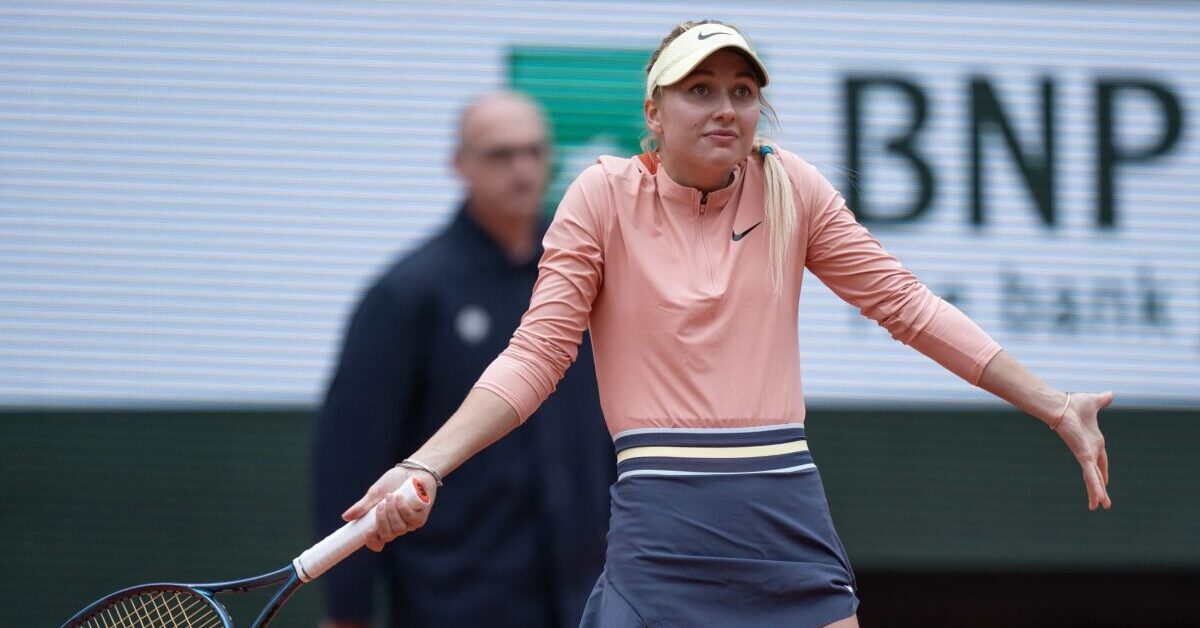
Anastasia Potapova began her Austrian era with a comeback that will be hard to top. Down 6-3, 5-1 in her Australian Open first-rounder, the 24-year-old rallied to beat Suzan Lamens 3-6, 7-5, 6-2. It was her first Grand Slam match under the Austrian flag, and it came with a side plot that stole some of the post-match spotlight: she was accused of copying Daria Kasatkina’s nationality-switch announcement.
Potapova did not flinch. Asked about the near-identical wording to Kasatkina’s recent post about switching to Australia, she shrugged. “I think the media just blew it up… I mean, who cares about posts, right?” she said. The Russian-born former world No. 21 (career-high on June 19, 2023), now ranked around No. 55, made clear she had more pressing things to worry about in Melbourne—like the scoreboard, and her next opponent, No. 28 seed Emma Raducanu.
A comeback under a new flag
The tennis was the headline for most of the afternoon. Potapova, who had competed as a neutral athlete since 2022, looked done when Lamens served at 5-1 in the second. Then the switch flipped. “I completely relaxed. I started to swing. I said, ‘okay, if I lose, I mean I was almost in the locker room,’” she said. Freed up, she reeled off games in bunches and sealed the decider 6-2.
It was the kind of fightback that makes a new chapter feel destined. And it came with the Austrian flag next to her name for the first time in a major.
“Copy or not, saving 5-1 and winning is the only post that matters.”
Why Potapova chose Austria
Potapova announced her nationality change on December 4, 2025, making it effective for the 2026 season. This wasn’t sudden, she stressed: “I’ve actually lived there for a few years, and it didn’t happen overnight. We worked on it for a long time, honestly. I really love Austria and Vienna in particular. It was my second home, and now it’s truly my first home. I love it a lot.”
She added: “I really feel the support of the people. I get a lot of messages from Austrians and I’m really proud to represent this country now. I swear I’ll do my best.” The move immediately positions her as Austria’s top-ranked WTA player, displacing Julia Grabher, and gives the nation a fresh headliner at tour level.
The Kasatkina “copy” storm, explained
So what about the post? Potapova’s social announcement used phrasing identical to Daria Kasatkina’s earlier message about switching to Australia, calling her new country “a place I love, is incredibly welcoming and a place where I feel totally at home.” Potapova didn’t run from that similarity.
“Well, I don’t find anything wrong with that because you cannot say it in a better way. And why not? It was perfect words. I loved it. We loved it with my team, with everyone. So, yeah, we gave it a shot,” she said. She also pushed back on the idea of coordination: “We talk a lot. We’re actually good friends,” Potapova said, while noting she did not discuss the switch with Kasatkina beforehand. Kasatkina herself chimed in on X when fans speculated about a shared PR playbook: “No, we are not from same agency.”
For context, Kasatkina’s change came with its own spotlight. A Russian who has been openly critical of her country’s politics and outspoken about LGBTQ+ issues there, she recently gained Australian citizenship—joking during the tournament that her new passport was waiting at the post office. Potapova’s path is different. Hers is rooted in residence and a long-term feeling of belonging in Vienna, where she has lived for years.
“If the wording fits, why does tennis Twitter act like it’s a crime?”
Austria’s new No. 1 and what it means
From a national program perspective, this is significant. Austria gains a player who has been inside the Top 25, owns a solid power baseline game, and is still only 24 (born March 30, 2001). Potapova brings tour-level experience, name recognition, and—now—momentum from a dramatic Grand Slam win.
For Potapova, the move offers clarity after a long period competing without a national flag following the 2022 restrictions on Russian and Belarusian players. The symbolism matters—during player intros, on scoreboards, and yes, to fans who want someone to get behind. “I really feel the support,” she said. That support is already pouring in on social media, and it will only grow if the results follow.
Raducanu next: an early-season litmus test
Up next is a name that spikes interest beyond tennis diehards: Emma Raducanu, the 2021 US Open champion and the No. 28 seed here, who cruised past Mananchaya Sawangkaew 6-4, 6-1. The contrast is fascinating. Raducanu is rebuilding her ranking after injuries and resets; Potapova is settling into a new national identity on tour.
On-court, this could be decided by first-strike tennis. Potapova’s power and improved shot selection versus Raducanu’s clean timing and return. If Potapova starts like she finished against Lamens, Austria’s new No. 1 will be dangerous. If not, Raducanu’s discipline can make quick work of loose patches.
“Raducanu vs. Potapova feels like a measuring stick for both.”
A wider trend on the WTA Tour
Potapova’s switch joins a broader pattern of nationality changes in women’s tennis. The list includes Kasatkina (to Australia), Elena Rybakina (to Kazakhstan), Kamilla Rakhimova (to Uzbekistan), and Polina Kudermetova (to Uzbekistan). The reasons vary—federation support, training bases, personal values, or simply where players build their lives. Potapova’s version is close to that last point. She lives in Austria, competes from there, and now carries its colors on court.
That’s what made Monday’s storyline so interesting. The debate about a copied caption collided with a real, high-pressure win and a meaningful new identity. In the end, the tennis told its own story—and Potapova, who laughed off the social media noise, had the final say on the court.
What comes next
As round two looms, the stakes rise. A win over Raducanu would make Potapova a headline act of week one in Melbourne and deepen her connection with a new fanbase back in Austria. A loss would still leave plenty to build on—form, confidence, and a sense of belonging that she says is now more than a post. “I don’t think that it’s something terrible happened,” she reiterated of the online chatter. “Who cares about posts, right?”
In a sport where identity often blends performance and place, Potapova’s message was simple after a complex day: judge me by the tennis. On this evidence, Austria may have picked up a fighter.