
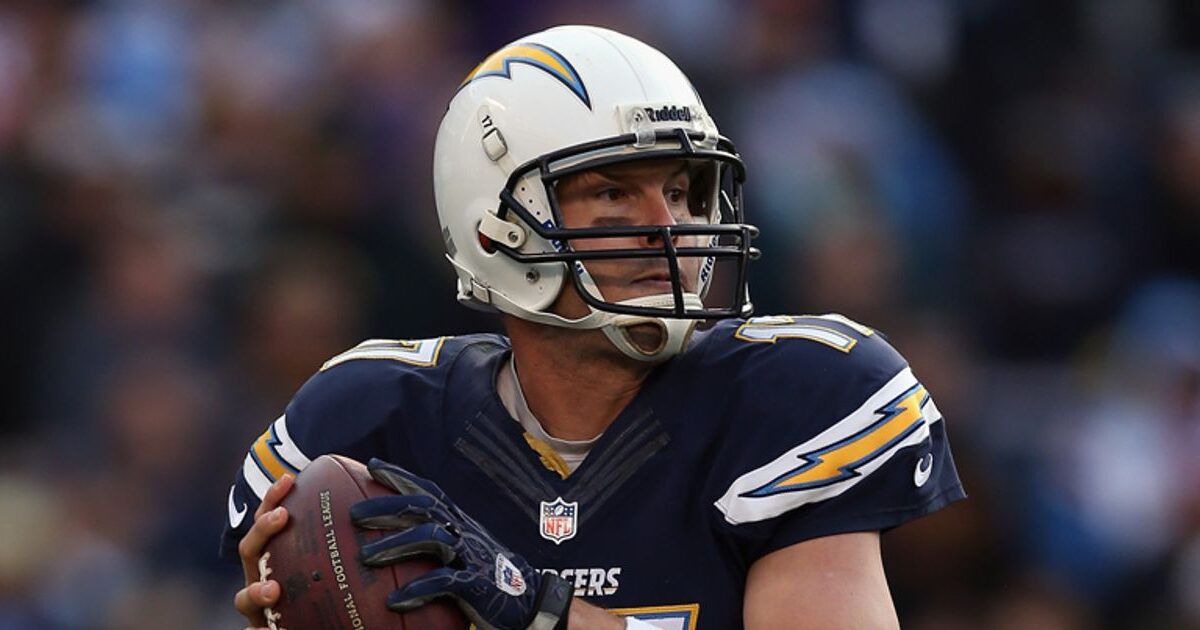
Key Takeaways(TL;DR):
- Philip Rivers keeps playing through age, leading the Indianapolis Colts while adjusting his game.
- Sports Illustrated highlights his trend lines, leadership, and smart adaptations despite fewer physical tools.
- He moved from the Chargers to the Colts and embraced change late in his career.
- Jon Gruden makes it clear he doubts a Rivers NFL comeback, pointing to recent choices and health.
- Fans and analysts should temper expectations about any return to the field.
- The bigger story: how veteran stars balance performance, pride, and longevity in today’s NFL.
Philip Rivers has never been the fastest or the strongest. What made him special was how he saw the game and how he led people. That skill, more than any throw, is what keeps him going with the Indianapolis Colts. And yet, the clock does not stop. As talk of the future grows louder, one voice — former coach Jon Gruden — is pouring cold water on the idea of a Rivers comeback down the line. That tension between belief and biology is the heart of this story.
The Colts’ veteran quarterback vs. Father Time
Sports Illustrated frames it simply: Rivers is fighting Father Time. Every veteran faces this. For a quarterback, it shows up in tight windows that feel a bit tighter, and in throws that demand perfect timing, not just arm strength. Rivers knows this. He has adjusted to stay on the field and stay in control.
With the Colts, he is leaning into what he does best. He changes plays at the line. He speeds up decisions. He uses rhythm and trust with receivers. He gets the ball out and lets the offense work. The article points to performance trends and leadership that still matter, even if the physical edge is not what it once was.
The message is clear: age is real, but so is the value of experience. Rivers understands how to turn a game into a puzzle and solve it in real time.
“He doesn’t win on speed anymore—he wins on smarts.”
Leadership and adaptation define Philip Rivers
When we talk about veteran quarterbacks, we often ask if the arm is still there. For Rivers, the better question is: can he still guide a team for four quarters? The Sports Illustrated lens says yes, and it points to leadership and adaptation as the reasons why. He is steady in the huddle. He brings confidence to a young roster. He keeps the offense on schedule.
These changes are not flashy. They are small. A faster throw to the flat. A safer check on second down. A quick step to avoid a hit. These moves add up. They keep drives alive and they protect the ball. It’s the craft of a veteran who knows that winning is about details, not highlight reels.
From Chargers to Colts: a late-career reset
Rivers’ move from the Chargers to the Colts was more than a change of address. It was a reset. New colors. New teammates. A new way to lead. That kind of shift late in a career is hard, but it can also unlock a fresh edge. The summary notes that he embraced the challenge and found ways to keep his level steady.
That transition matters. It reminds us that leadership travels. Systems change. Playbooks change. But a quarterback’s voice in the locker room and on the sideline can still carry a team. For a franchise, that is priceless. For a veteran, it is a path to stay valuable when the body starts to slow.
“If the mind is sharp, the arm can follow—don’t count him out.”
Jon Gruden throws cold water on a Rivers NFL comeback
Now comes the hard part: the future. Newsweek reports that former NFL coach Jon Gruden made his view clear on the idea of a Philip Rivers comeback. In short, he’s skeptical. Based on Rivers’ recent choices and the reality of his body, Gruden does not see a return to active play as likely.
That opinion matters because it reflects what many inside the league think. Coaches and executives tend to weigh risk and health first. Gruden’s stance tells fans to temper hopes. It does not erase what Rivers has done, or what he could do in a pinch. But it does frame the conversation: if Rivers steps away, the odds of him coming back are slim.
“Comeback talk is fun, but health and legacy should lead.”
What this means for the Colts and for fans
For the Colts, the lesson is simple. Enjoy the veteran you have, because he gives you a smart, steady shot every week. Build the plan around what he does best: timing, protection, and quick reads. Keep the game on schedule. Make third downs short. Let him operate.
For fans, this is also about expectations. Rivers can still lead, teach, and compete. But if he leaves the field, a return is unlikely, based on the tone from voices like Gruden’s. That means the team should prepare for what comes next while still chasing wins right now. Both things can be true at once.
The bigger NFL picture: aging stars and the endgame
Rivers’ story fits a larger NFL theme. Great quarterbacks now play longer than ever. But the end is still a cliff, not a hill. One year the body answers the call. The next year it doesn’t. The best veterans buy time with brains, not brawn. They adapt. They rely on structure and timing. They pass on wisdom and leave a blueprint for the next starter.
That is why this moment matters. It shows how the league treats aging stars: with respect for what they know and care for how they feel. It also shows how important clear talk can be. Gruden’s view may sting for fans who dream of one more run. But it sets fair expectations and protects the player from pressure that does not fit the reality.
In the end, Philip Rivers is still doing what he has always done: competing, leading, and problem-solving under bright lights. If a comeback becomes the question later, the answer — if we believe Gruden and the broader league mood — is likely no. But right now, the lesson is to value what he brings today. Experience travels. Leadership lasts. And even when time wins, the great ones make that final stretch count.