
Key Takeaways:
- Pat Cash says Andrey Rublev could learn from Alex de Minaur to sharpen his match management.
- Cash praises de Minaur’s discipline, movement, and mental toughness as a model for smarter point construction.
- Rublev’s “huge power” is clear, but Cash argues he needs better shot selection and more variety.
- Rublev’s resume includes Masters 1000 titles at Monte Carlo 2023 and Madrid 2024 and a peak ranking of world No. 5.
- The comparison highlights how consistency and tactics can rival raw firepower in deep tournament runs.
- Rankings and stats referenced are current as of early 2025.
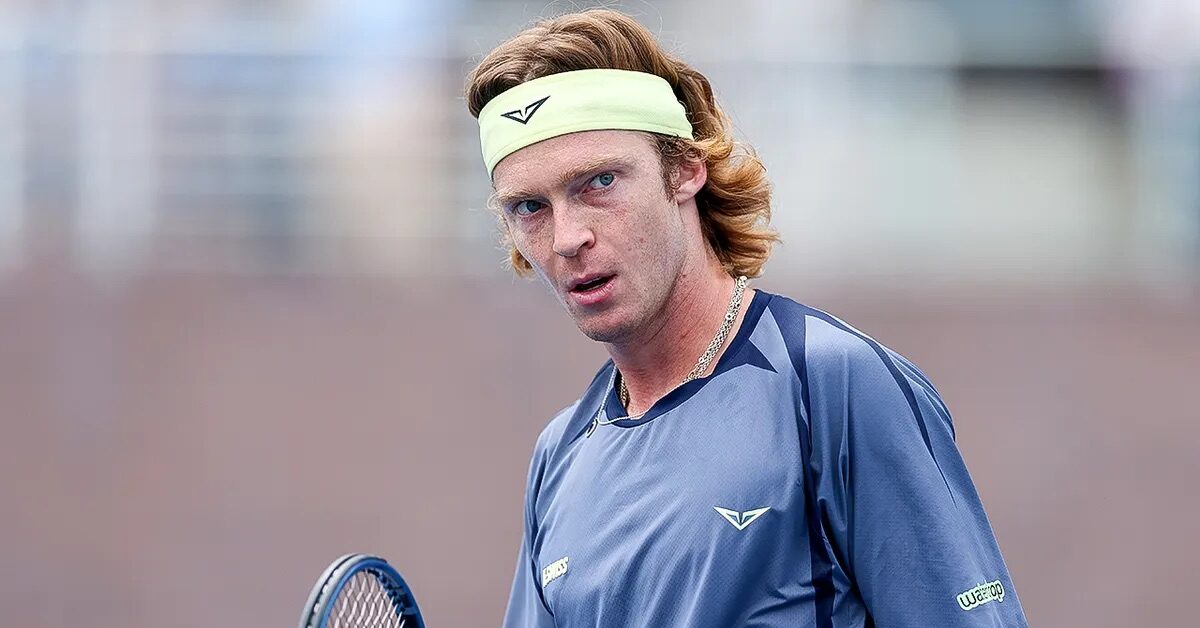
Pat Cash did not mince words. The former Wimbledon champion believes Andrey Rublev, one of the most explosive hitters on the ATP Tour, should study a rival to turn power into more consistent, match-winning control. It is a sharp message aimed at a top contender who has already collected big trophies but still faces questions about tactical balance in the biggest moments.
That rival, Cash says, is Alex de Minaur. In comments framed around early-2025 form and results, Cash argued that de Minaur’s discipline and point construction offer a clear roadmap for Rublev. The Australian’s movement, court coverage, and mental toughness are the traits Cash thinks Rublev can borrow to get more value from his own huge weapons.
It’s a comparison designed to spark debate, because Rublev’s peak has been higher in the rankings and in the trophy cabinet. He has won multiple ATP titles, including Masters 1000 crowns at Monte Carlo in 2023 and Madrid in 2024, and has been ranked as high as world No. 5. Yet Cash’s point is not about resume lines. It’s about how often you make your best tennis count, and how you manage the flow of a match when the stakes rise.
Why Pat Cash points to Alex de Minaur
Cash’s praise of de Minaur is precise: the Aussie “maximizes his abilities” through discipline, movement, and smart decision-making. He is, in Cash’s view, “very solid” and “clever” in how he competes. That does not mean de Minaur hits harder than Rublev. It means he uses what he has with clear purpose, building points patiently, changing direction at the right time, and choosing safer margins until the moment is right to strike.
This is why de Minaur keeps finding himself in the mix late in events. He rarely beats himself. He embraces long rallies but still turns defense into offense. He also reads the score and adjusts the risk level accordingly. That mix—fitness, clarity, and restraint—is exactly what Cash believes Rublev can profit from.
“Rublev’s forehand is fire, but de Minaur’s brain wins rallies.”
Rublev’s power—and what he can still add
Cash is not critical of Rublev’s strengths. He calls them out. The Russian has “huge power” and an aggressive baseline game that can blow opponents off the court. The question is how often that approach should be used at full risk. Against elite defenders, or on slower courts, going for broke too soon can invite counters.
Cash’s nudge is simple: keep the power, but blend it with more variety and smarter choices. That can mean:
- Mixing pace and spin instead of flat power on every ball.
- Changing height over the net to push opponents back before attacking.
- Using wider angles to open space, not just going line to line.
- Picking the right ball to pull the trigger, rather than forcing it early.
None of this dulls Rublev’s identity. It rounds it out. When he trusts patience as much as pace, his big weapons become even more dangerous.
“If Rublev adds one more gear tactically, he’s a title machine.”
Titles, rankings, and the consistency debate
The article compares Rublev and de Minaur across rankings, titles, and general results, noting clear contrasts. Rublev has logged more silverware and reached a higher career peak, including those Masters 1000 wins and a top-five ranking. De Minaur’s ranking, titles, and win–loss numbers are also discussed, but the headline point is this: success takes different shapes.
Cash’s view pushes against an easy assumption. More titles do not always mean a player is tactically superior. In fact, the framing suggests that de Minaur’s week-to-week habits—his steady patterns, his resilience, his shot selection under pressure—might be the missing piece that helps a bigger hitter like Rublev become even more efficient deep in draws.
Rublev’s ceiling is not in doubt. The challenge is smoothing the dips so the average level climbs. That is where de Minaur’s model can be instructive.
The mental game: managing points and momentum
Cash’s comments also speak to the mental side of the sport. Point construction is not only about strokes. It’s about choices under stress. De Minaur thrives because he stays present, keeps patterns simple, and resets quickly after errors. That steadiness is a form of pressure. It forces opponents to keep solving the same puzzle again and again.
For Rublev, who thrives on tempo, the lesson is to create more than one way to win a rally. Not every rally needs a hammer finish. Sometimes, drawing a short ball with a safer shot is smarter than trying a winner from a tough spot. This is match management, and it’s the core of Cash’s message.
“Power starts the story; discipline writes the ending.”
What this means for 2025
With rankings and stats current as of early 2025, Cash’s view lands in the heart of a bigger tennis debate: how big-hitting baseliners evolve when margins shrink. The modern game rewards speed and fitness, but the players who last longest in tournaments are often the ones who take the right risk at the right time.
If Rublev leans into the lesson, small changes could pay off fast. Fans and coaches will watch for signs such as:
- More patient patterns to build space before the strike.
- Occasional pace changes to disrupt rhythm-heavy opponents.
- Sharper shot selection on big points, especially on return games.
- Calmer body language and quicker resets after misses.
None of these tweaks require a rebuild. They are upgrades to an already powerful engine. Cash’s point is that de Minaur shows how effective those upgrades can be when the plan is clear.
Bottom line
Pat Cash’s call is both respectful and challenging. Respectful, because it recognizes what Rublev already does at an elite level. Challenging, because it asks a proven winner to slow down just enough to become even harder to beat. Studying Alex de Minaur’s discipline and point management is not about copying a style. It’s about importing a mindset: patience with purpose.
If Rublev pairs his “huge power” with more variety and smarter choices, the gap between his best days and his average days can shrink. And when that happens, deep runs become the norm, not the exception. That is the change Cash believes will turn big hitting into bigger winning.