
Key Takeaways:
- Naomi Osaka beat Sorana Cirstea 6-3, 4-6, 6-2 in exactly two hours to reach the Australian Open third round.
- An icy handshake followed Cirstea’s frustration with Osaka’s repeated “Come on!” shouts; Osaka later apologized in press.
- Osaka struck 38 winners, 3 aces, saved 5/8 break points, and went a perfect 7/7 at net; Cirstea hit 10 winners.
- Osaka took a medical timeout up a break in the third; the umpire found no issue with her conduct.
- Cirstea, 35 and ranked No. 41, played her final Australian Open in her announced 2026 farewell season.
- Osaka, the No. 16 seed and two-time AO champion, faces Australian Maddison Inglis next; she hasn’t gone beyond R3 here since 2021.
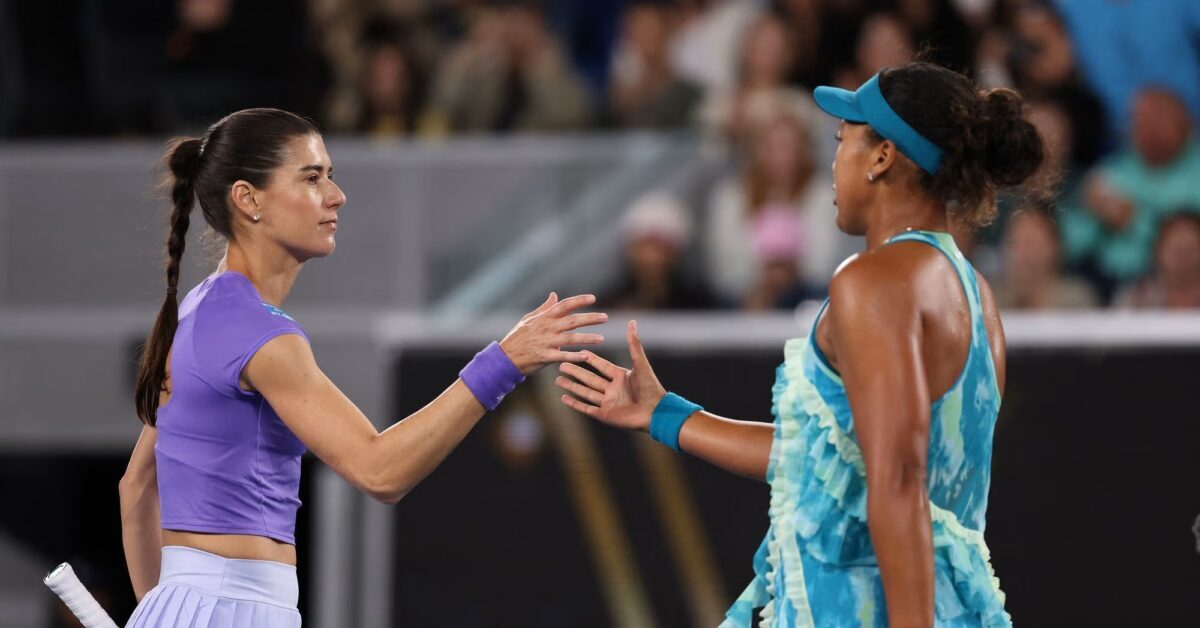
Naomi Osaka advanced at the Australian Open on Thursday, but not without a flash of drama. The No. 16 seed beat Sorana Cirstea 6-3, 4-6, 6-2 at Margaret Court Arena in a tense second-round match that lasted exactly two hours. The tennis was bold and physical. The handshake was anything but warm.
Osaka’s booming groundstrokes and timely serving carried her into the third round, where she will face unseeded Australian Maddison Inglis on Friday. Yet the moment everyone will talk about came at the net, after a feisty exchange over Osaka’s loud “Come on!” celebrations.
Match report: Osaka outlasts Cirstea in three sets
The pattern was clear early: Osaka owned first-strike tennis, and Cirstea had to absorb and counter. Osaka finished with 38 winners and 3 aces, saved five of eight break points, and won all seven points she played at the net. Cirstea, ranked No. 41 and playing her final season on tour, managed 10 winners and dogged defense, stealing the second set with a late push.
In the decider, Osaka reset. She jumped ahead, mixed in a smart medical timeout while up a break, and never let go. The umpire saw nothing improper in her pace or behavior. The former World No. 1—and two-time champion in Melbourne—closed with clean, risk-first hitting that Cirstea could no longer blunt.
“Osaka’s forehand set the tone all night—cold-blooded in the third.”
The flashpoint: ‘Come on!’ shouts and a frosty handshake
The tension built around Osaka’s vocal pump-ups. Cirstea appeared to take offense, reading them as disrespect. At the handshake, Cirstea glanced at Osaka and turned away almost at once, making for a short, chilly exchange.
On court, Osaka seemed puzzled by the reaction. “Apparently a lot of ‘c’mons’ that she was angry about, but whatever,” she said, before adding that she tried her best and respected Cirstea’s career. She also noted, “She could have asked me [to stop]… Honestly, no one’s ever complained about it before. Also, the umpire didn’t tell me I was wrong.”
Osaka later explained that her outbursts are self-motivating and not an effort to rattle an opponent. The umpire, in any case, made no intervention during play.
“Let players show emotion. If it’s within the rules, play on.”
Osaka apologizes; Cirstea plays it down
In press, Osaka struck a different note, acknowledging the moment had gotten heated and expressing regret. “I guess that emotions were very high for her. I also want to apologize… I think the first couple things that I said on the court was disrespectful. I don’t like disrespecting people. That’s not what I do.”
Cirstea, 35, chose to cool the story. “There was no drama. It was just a five-second exchange between two players that have been on tour for a long time. It stays between us.” For a veteran in her farewell season, the message was simple: move on.
What it means for the draw: Inglis next, and a Melbourne hurdle
For Osaka, this is a step forward in a place that has defined her career, but also tested her lately. Despite two Australian Open titles, she hasn’t been past the third round here since 2021. She’ll get the chance to change that against Australia’s Maddison Inglis in round three.
Osaka has already done some hard yards this week. She needed three sets in round one to beat Antonia Ruzic, 6-3, 3-6, 6-4. Against Cirstea, she again stretched to a decider but finished with conviction. The form is building, the instincts are back, and the belief looks close behind.
And yes, the look turned heads too. Osaka wore another aquamarine, jellyfish-meets-butterfly outfit by Robert Wun—a follow-up to her viral first-round kit. It’s fashion-forward, but the statement she’ll care about is the one on the scoreboard.
“Big test next: can Osaka finally crack the fourth round again?”
Cirstea’s farewell Australian Open: a proud competitor bows out
This was Cirstea’s last match at the Australian Open after announcing in December that 2026 would be her final season. She has been a staple on tour, with a best run to the fourth round in Melbourne and a reputation for grit and clean ball striking.
Fittingly, there was history between these two: Cirstea beat a 17-year-old Osaka in 2015 Wimbledon qualifying, 2-6, 6-1, 6-4. Eleven years on, in their most high-profile meeting yet, she pushed Osaka to a third set again. Even if the finish was stony at the net, the fight from both players was unmistakable.
Numbers and turning points: why Osaka won
- Shot-making edge: Osaka’s 38 winners to Cirstea’s 10 spoke to baseline control and bravery under pressure.
- Big points: Saving five of eight break points kept Osaka in front of the scoreboard—and in control of the tempo.
- Forward pressure: A perfect 7/7 at the net showed good choices at key moments, not just raw power.
- Physical reset: The medical timeout in the third set, taken while up a break, helped Osaka steady for the run-in. The umpire saw no issue with the timing.
Put simply, Osaka won with courage and clarity. Cirstea made her earn it, nicking the second set with smart patterns, but Osaka’s ceiling shots returned late, and the gap widened fast in the decider.
What’s next
Osaka’s third-round date with Maddison Inglis brings a different kind of test: the home crowd. If Osaka’s serve and forehand keep landing, she’ll like her chances to finally clear the round-of-16 barrier again in Melbourne. The challenge, as ever, is keeping emotions sharp but steady—loud enough to fuel her, quiet enough not to feed the story.
As for Cirstea, this goodbye to Melbourne may sting, but it also fits her career: honest, combative, and on her terms. The tour rolls on, but Thursday night left a simple message behind. The line between passion and provocation in tennis is thin. Osaka walked it, slipped for a moment, and then did the right thing. She won the match, and she owned the moment after.