
Key Takeaways:
- Nolan Arenado waived his no-trade clause to join the Arizona Diamondbacks, with the deal announced Tuesday, January 13, 2026.
- The Cardinals sent $31 million to cover most of the $42 million owed over the next two seasons; Arizona pays $11 million, and the Rockies pitch in $5 million.
- St. Louis receives minor league right-hander Jack Martinez, Arizona’s eighth-round pick in the 2025 draft.
- Arenado, 34 (35 in April), is an eight-time All-Star and 10-time Gold Glove winner; he posted 12 homers and a .666 OPS in 107 games in 2025.
- Arizona’s payroll now sits just north of $170 million as the club plugs a long-term hole at third base after moving on from Eugenio Suárez.
- The Cardinals, under Chaim Bloom, are in a rebuild after trading Willson Contreras and Sonny Gray, finally moving Arenado after he blocked a deal to Houston last year.
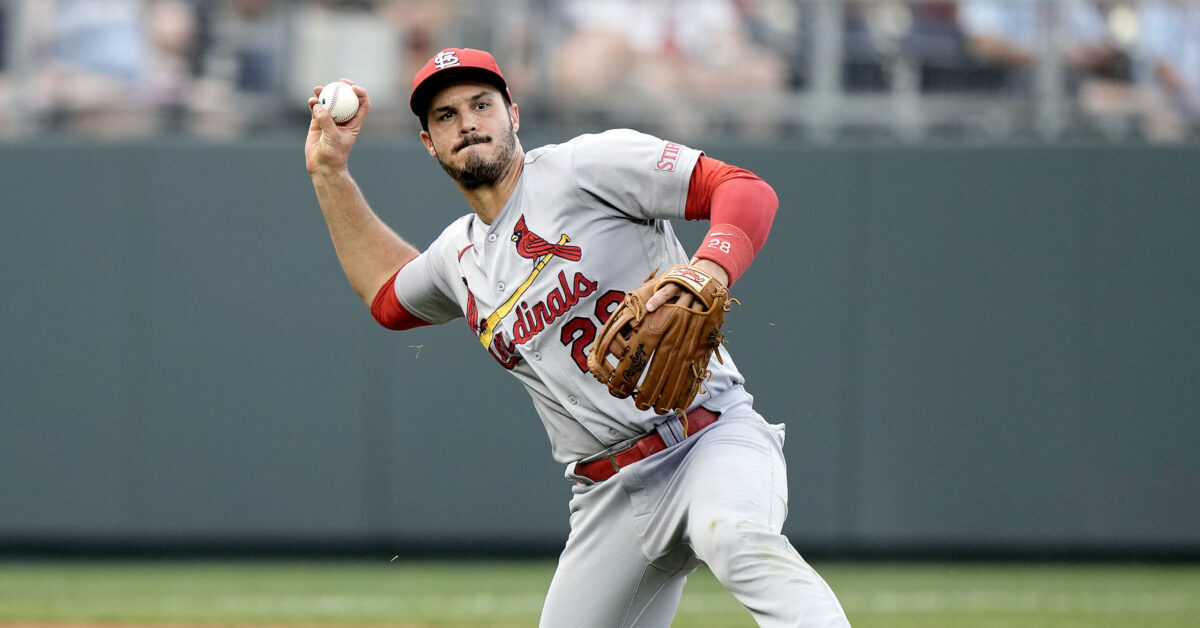
Nolan Arenado’s next stop is the desert. On Tuesday, January 13, 2026, the St. Louis Cardinals traded the 10-time Gold Glove third baseman to the Arizona Diamondbacks, a move that required Arenado to waive his no-trade clause and that sends a clear message about both clubs’ plans for 2026 and beyond.
St. Louis attached serious cash to make it happen. The Cardinals are sending $31 million to Arizona to offset most of the $42 million Arenado is owed over the next two seasons. The Diamondbacks will pay $11 million of that total—$5 million in 2026 and $6 million in 2027—with the Colorado Rockies also contributing $5 million. St. Louis covers the rest, including deferred money. In return, the Cardinals get minor league right-hander Jack Martinez, who was Arizona’s eighth-round pick in the 2025 draft.
Arizona general manager Mike Hazen has chased stability at third base since moving on from Eugenio Suárez. In Arenado, he’s banking on elite defense and veteran leadership rather than asking a 34-year-old to carry the lineup. “We’ve always liked the way he’s played the game and the impact he can have when he’s not playing,” Hazen said. “I think he’s a good fit. I know how much winning means to him and is important to him — and it’s important to us.”
Why the Diamondbacks moved now for Nolan Arenado
Arizona finished 80–82 in 2025 and entered the winter with a clear need at third. With All-Stars Corbin Carroll, Geraldo Perdomo, and Ketel Marte forming the team’s core, third base stood out as a weakness after Suárez’s exit. Adding Arenado—an eight-time All-Star—fills that gap with a future Hall of Fame glove and a steadying presence in a clubhouse that expects to contend.
Financially, the fit works. Even with Arenado on board, Arizona’s payroll sits just north of $170 million, manageable in part because of St. Louis’s $31 million subsidy and the Rockies’ $5 million share. The structure allows the D-backs to upgrade without choking off flexibility elsewhere on the roster.
“If Arizona just bought elite defense for $11M, that’s a heist.”
The money: three teams, two years, one big bet
Arenado is owed $42 million over the next two seasons—$27 million in 2026 and $15 million in 2027—under the long-term pact he originally signed with the Colorado Rockies (nine years, $275 million before 2019). This trade is a rare three-pocket arrangement:
- Cardinals: send $31 million and cover remaining obligations, including deferred money
- Diamondbacks: pay $11 million total ($5M in 2026, $6M in 2027)
- Rockies: contribute $5 million
That heavy lift from St. Louis explains the return: a pitching prospect in Jack Martinez rather than an established big leaguer. The Cards prioritized financial reset and organizational direction over headline pieces.
St. Louis finally chooses a lane
Under new president of baseball operations Chaim Bloom, the Cardinals are embracing a rebuild. They’ve already moved catcher Willson Contreras and right-hander Sonny Gray, and they’ve been working on an Arenado exit for more than a year after he vetoed a deal to the Astros last season. The club is leaning into youth, payroll clarity, and development to build its next winner.
Bloom’s message was equal parts gratitude and reset: “We are grateful for Nolan’s five years as a Cardinal, on and off the field — for his drive, his competitiveness, and for all of the memories he gave us.” It’s respectful, and it underscores how tough this decision was for a proud franchise that had aimed to contend around him.
“Cards didn’t ‘give him away’ — they bought a cleaner future.”
What Arizona expects from Arenado now
Arenado’s bat dipped in 2025: 12 homers and a .666 OPS in 107 games. At 34 (35 in April), he’s past his peak power years. But Arizona isn’t asking for MVP numbers. As Hazen put it: “We look for him to be a solid offensive contributor in our lineup. With the firepower we have at the top of our lineup, we’re not looking for him to carry the offense. We don’t need him to carry the offense. We need him to solidify and stabilize our defense — that’s a huge component to this.”
That’s smart roster building. An infield anchored by Arenado’s glove tightens run prevention and helps a pitching staff that will welcome extra outs on the margins. Even a league-average bat paired with Gold Glove defense at third can be worth real wins.
The fit in Arizona’s lineup and infield
Place Arenado behind Carroll, Perdomo, and Marte, and the Diamondbacks lengthen their order without shifting their identity. He brings postseason habits, attention to detail, and a high floor at a premium position. The D-backs were looking for stability, not a savior. This checks the box.
There’s also a clubhouse layer. Arizona’s recent rise under Hazen and manager staff has hinged on professionalism and defense. Arenado mirrors that ethos. He brings daily standards that young players can copy—useful for a group that expects to get back over .500 and deeper into October.
“He’s not 2019 Arenado, but the glove still changes games.”
What St. Louis gets in Jack Martinez
Martinez is a minor league right-hander and Arizona’s eighth-round pick in 2025. For St. Louis, he represents a lottery ticket with upside, but more importantly, he’s part of a bigger plan: stack arms, clear payroll, and reset timelines. The Cardinals didn’t chase the flashiest prospect; they chased flexibility and a cleaner cap sheet over the next two years.
Risk, reward, and the road ahead
The risks are obvious. If Arenado’s bat doesn’t bounce back, Arizona may be paying for defense at a position that usually carries offense. But with St. Louis and Colorado shouldering most of the money, the Diamondbacks limited their downside. They paid $11 million over two years for elite defense and leadership, while keeping their prospect core intact.
For the Cardinals, moving a franchise face is always painful. Yet after a year-plus of fits and starts—including that blocked trade to Houston—Bloom has set a clear direction. St. Louis will invest in pitching depth and player development while letting bigger contracts roll off. It’s not a surrender. It’s a reset.
In the end, this is a trade both sides can defend. Arizona gets a proven winner to steady third base. St. Louis gets flexibility and a fresh slate. And Arenado, who once signed a nine-year, $275 million deal with the Rockies, gets another shot at meaningful October baseball—this time in the Sonoran sun.
All parties know what they are betting on. The Diamondbacks are wagering that Arenado’s glove and grit still move the needle in a tight NL West race. The Cardinals are wagering that today’s pain becomes tomorrow’s window. Now the games—and the judgments—begin.