
Key Takeaways(TL;DR):
- AFCON 2025 Group A: Morocco and Mali drew 1-1 in Rabat on December 26, 2025.
- Both goals came from VAR-awarded penalties: Brahim Díaz (45+5′) and Lassine Sinayoko (64′).
- Morocco’s 19-game winning streak ended, their first non-win since March 2024.
- Big night in Rabat: 63,844 at Stade Prince Moulay Abdallah; Morocco led 1-0 at halftime.
- Group A table: Morocco 4 pts (1W,1D, +2 GD); Mali 2 pts (0W,2D, 0 GD).
- Cards and changes: Mali bookings for Aliou Dieng, Lassine Sinayoko, and Dorgeles Nene; Morocco sent on Bilal El Khannouss and Abde Ezzalzouli among their subs.
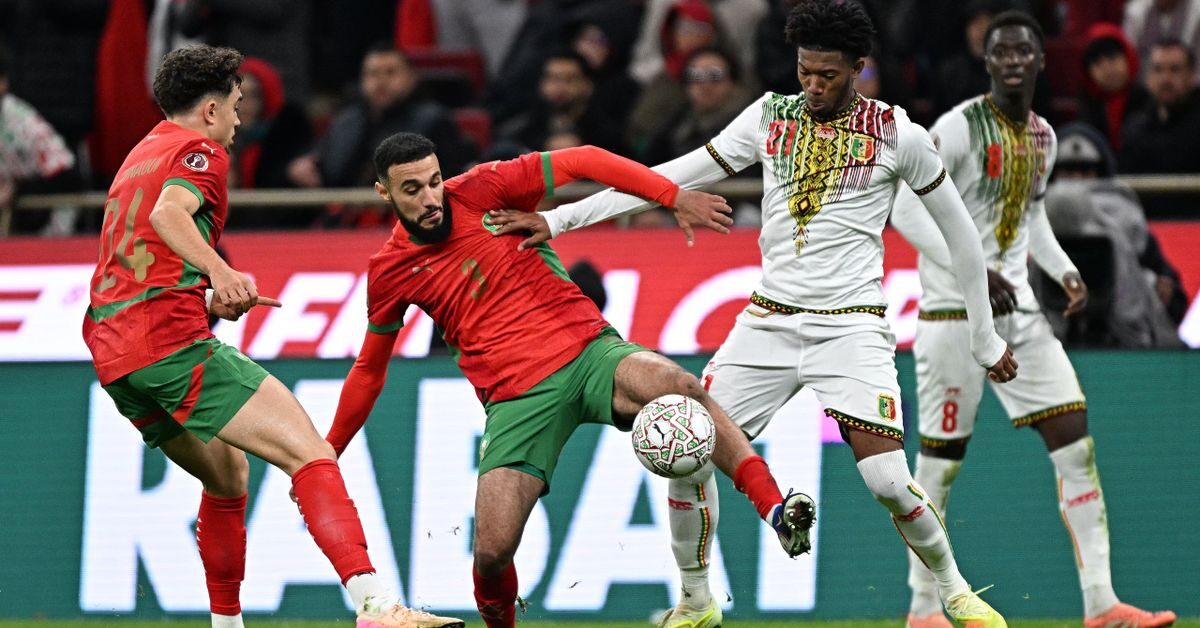
Morocco arrived in Rabat chasing history. They left with a reminder that even the best runs can bend under pressure. In front of 63,844 fans at Stade Prince Moulay Abdallah, the Atlas Lions were held to a 1-1 draw by a stubborn Mali side in their second Africa Cup of Nations 2025 Group A match. Both goals came from the spot after VAR reviews, with Brahim Díaz striking late in first-half stoppage time and Lassine Sinayoko answering on 64 minutes. The result ends Morocco’s remarkable 19-game winning streak and marks their first non-win in internationals since March 2024.
Streak snapped in Rabat: Morocco vs Mali at AFCON 2025
There was electricity in the air as kickoff neared. Morocco’s players, led by captain and goalkeeper Yassine Bounou, knew the weight of the moment. A run of 19 straight wins is rare at any level, and this team had made it feel routine. But Mali arrived with a clear plan and plenty of belief, and the game turned into a gripping contest of control, patience, and nerve.
By night’s end, the scoreboard read 1-1. On paper, it is only a draw. In reality, it was a powerful plot twist in Group A. As one broadcast line captured it, "Both teams gave their all in Rabat, and this draw keeps the group wide open!"
Two VAR penalties define the night
Matches at this level can pivot on moments, and here both pivots came from the penalty spot. First, Morocco’s pressure told at the end of the opening half. VAR stepped in, and the referee pointed to the spot. Brahim Díaz, who has grown into a key creative voice for the Atlas Lions, kept his cool and scored in the 45+5′ minute. Morocco took a 1-0 lead into the break.
Mali did not panic. As the second half settled, they pushed forward and earned their own VAR-backed penalty. Lassine Sinayoko, their lively forward, buried the kick on 64 minutes. One kick each. One goal each. Honors even.
"Two penalties, one point each — fair or frustrating?"
First-half control, second-half response
Morocco showed their usual calm early. They managed the ball, set the tempo, and looked comfortable keeping Mali at arm’s length. That patience paid off right before halftime with Díaz’s penalty. It felt like the perfect script for another step in a dream run.
But Mali’s response after the interval spoke volumes. They raised their line, tested Morocco’s back four, and waited for an opening. When the VAR review went their way, Sinayoko seized the moment. From there, both teams chased the winner without losing their shape.
Substitutions and tactical tweaks
As the match tightened, Morocco turned to the bench. Coach’s choices included midfielder Bilal El Khannouss, a slick passer who can speed up the play, and Abde Ezzalzouli, a direct runner who asks hard questions of tired defenders. The changes aimed to pull Mali out of their compact blocks and create 1v1s wide.
Mali, for their part, refreshed legs and minds as the clock ticked. Their rotation helped steady energy and reduced the risk of late gaps. The message was clear: keep the game in front, be brave in duels, and make Morocco earn every inch.
"Did Mali just write the blueprint for stopping Morocco?"
Discipline and intensity: Mali’s bookings tell the story
High-stakes group games are often decided at the edges—the details around discipline and control. Mali picked up three yellow cards, with bookings shown to Aliou Dieng in the first half and to scorers Sinayoko and Dorgeles Nene later on. Those cautions underlined their combative approach and the fire in each duel.
Morocco matched the intensity without losing their structure, anchored by the experience of Bounou in goal and the defensive leadership of Nayef Aguerd. Full-back Noussair Mazraoui provided outlets and balance, while Díaz drifted into clever spaces to connect lines. It was a chess match, with few loose pieces on the board.
Group A picture: points shared, pressure shared
The draw resets the tone of Group A. Morocco remain in front after two matches, sitting on 4 points with 1 win, 1 draw, and a +2 goal difference. Mali, with two draws from two, have 2 points and an even goal difference (0). Nothing is settled, and that is exactly what tournament football often demands.
For Morocco, the math is simple: hold steady, finish the job, and use this reminder as fuel. For Mali, the message is equally clear: they have just taken a result off the form team in Africa. Confidence should rise.
"Morocco stay top, but the aura cracked tonight."
Players in focus: Brahim Díaz and Lassine Sinayoko
Brahim Díaz has a knack for big moments. His calm penalty at 45+5′ added to his growing status as a key figure for Morocco. He did more than score; he linked play and drew fouls that relieved pressure. He is the kind of player who changes rhythm with one touch.
Lassine Sinayoko delivered on the other end. Penalty kicks are tests of nerve, and his finish on 64 minutes said a lot about his focus. It was the spark Mali needed to keep belief alive on a difficult night away from home.
Rabat’s stage and the scale of the moment
Stade Prince Moulay Abdallah was loud, colorful, and full at 63,844. There were flags, songs, and a sense that something special might happen. Something did happen—just not in the way the home crowd expected. Instead of another Morocco win, they saw a storyline turn: the end of a 19-game winning streak. As many headlines would later put it, "Morocco’s historic winning streak snapped by Mali."
Yet there was also pride. Morocco showed fight. Mali showed steel. And the tournament showed why group stages can be so compelling: they build tension and test every team in different ways.
Why this draw matters
This result matters for two reasons. First, it resets expectations. Morocco are still favorites to top the group, but opponents now see a path to points. Second, it boosts Mali’s belief. Getting a draw against a red-hot side, and doing it with control and focus, sends a message to the rest of Group A.
It is also a lesson in margins. VAR stepped in twice, and both calls held the weight of the game. That is modern football. Teams must keep calm when the clock stops and the referee heads to the screen.
Names that shaped the night
Morocco’s starting XI included captain Yassine Bounou in goal, defenders Noussair Mazraoui and Nayef Aguerd, and attacker Brahim Díaz. Later, the bench helped change the energy, with Bilal El Khannouss and Abde Ezzalzouli among those sent on.
For Mali, the leadership came in many forms: Sinayoko’s composure from the spot, the work of Aliou Dieng in the middle, and the commitment shown by Dorgeles Nene out of possession. Their cautions told of hard work, not chaos.
Final whistle: a group wide open
At full time, the feeling was clear. The point was big for Mali and useful for Morocco. The group stays tight, and that is great for AFCON 2025. As one line summed it up: "How Mali ended Morocco’s record 19-game winning streak." They did it with discipline, smart pressing, and perfect nerves from the spot.
For Morocco, this is not a fall; it is a pause. For Mali, it is a step forward. And for the rest of Group A, it is a warning: every minute, every decision, every penalty can swing the story. The road from Rabat now looks more interesting than ever.