Key Takeaways:
- Final injury report notes Zach LaVine as questionable with lower back soreness.
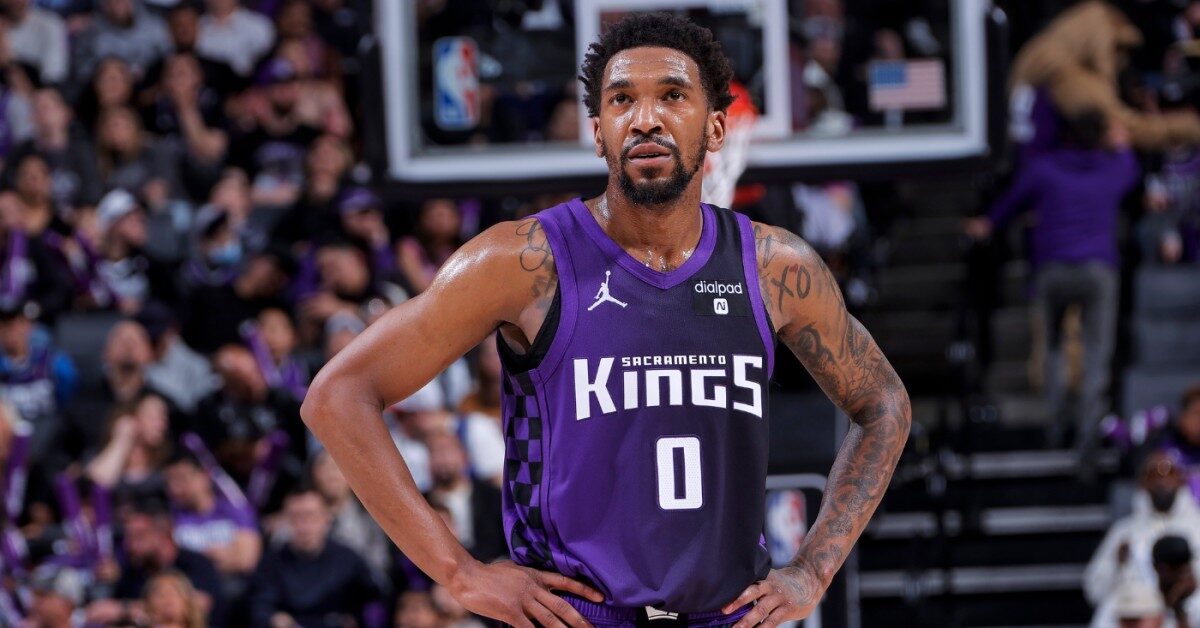
- Malik Monk is questionable with right ankle soreness for Kings vs. Knicks.
- The available report excerpt does not include a Knicks update or Karl-Anthony Towns’ status.
- Sacramento’s guard depth and scoring balance could be tested if both sit.
- Game-day decisions may shift rotations, pace, and late-game matchups.
All eyes are on the final health check before tipoff. For the Sacramento Kings, two key guards appear on the injury line for their January 27, 2026 game against the New York Knicks: Zach LaVine and Malik Monk are both listed as questionable. LaVine is dealing with lower back soreness; Monk has right ankle soreness. For a Kings team that leans on quick scoring and guard-driven creation, those are massive swing factors.
This is the kind of injury report that changes how a game feels even before it starts. Star power, bench punch, crunch-time handling—it all hangs on those two names. And while the headline that surfaced also raised a question about Karl-Anthony Towns, the available excerpt of the report does not include an update on his status. That leaves one major piece of the puzzle open as we count down to the buzzer.
What the final injury report says
The Kings have listed two guards as questionable for tonight’s matchup:
- Zach LaVine — lower back soreness
- Malik Monk — right ankle soreness
Questionable means there’s a very real chance either player could sit, be on a minute cap, or be cleared late after warmups. That uncertainty forces the Kings to prepare for multiple game plans. It also gives the Knicks a scouting puzzle: prepare for speed and shot creation if they play, or for a different look if they don’t.
“If both guards can’t go, who creates shots when it’s tight late?”
Why Zach LaVine’s status matters
LaVine’s name on any injury line is a big deal. He changes how defenses line up because of his pace, handle, and three-level scoring. With him, the Kings can play downhill, stretch the floor, and trust a steady hand when the clock runs low. Without him, touches shift, spacing shrinks, and the team needs more by-committee creation. Even if he suits up, lower back soreness can limit lift, balance, and how hard a player attacks. That’s the difference between a pull-up three and a swing pass.
For Sacramento, the best-case scenario is a green light with no setback. The next-best is a careful plan that finds LaVine rhythm minutes without overloading his back. The worst is a late scratch that forces a shuffle at the top of the rotation.
“A 70% LaVine changes the defense. A 0% LaVine changes the game.”
What Malik Monk’s ankle means for the bench
Monk’s status is just as pivotal, but in a different way. He is the spark that often swings second units. When he is right, the pace lifts, the ball pops, and the scoreboard moves in a hurry. An ankle issue can be tricky. It affects push-off, lateral slides, and confidence on drives. Even a small hitch can slow his first step and tire him out sooner.
If Monk can’t go, the Kings will need new scoring and energy from the bench. That could mean more conservative lineups, more size, or a slower tempo to protect possessions. It also means starters might carry heavier minutes if the game turns tight.
The Karl-Anthony Towns question still hanging
The headline that surfaced with the report also asked whether Karl-Anthony Towns would play. From the available excerpt, there is no update on his status. That lack of clarity matters. Towns’ presence can shape shot charts, rebounding battles, and help decisions. Without a clear answer yet, both teams likely keep parallel plans in place and wait for the final word.
In the modern NBA, these late calls are routine. Teams protect players and hide matchups until warmups. This looks like one of those nights.
“Three names. Three maybes. One game that could flip at 6:59 p.m.”
How the matchup could shift, scenario by scenario
Every outcome brings a different game script. Here are the broad strokes:
- If LaVine and Monk both play: Sacramento leans into pace, drive-and-kick, and late-clock shot-making. The Kings can keep their usual balance and force the Knicks to defend more space.
- If only one plays: Expect the Kings to stagger minutes so the floor has a creator at all times. Bench groups may be shorter, with careful minute management.
- If neither plays: The Kings likely slow down, pound the paint more, and rely on collective execution. Defense and rebounding get even more important, because easy points may be harder to find.
For the Knicks, the calculus is simple: test the Kings’ ball-handling, shrink the floor against shooters, and attack any fatigue or foul trouble that pops up. If those Kings guards are limited, New York can turn up pressure, take away the first option, and live with contested looks late in the clock.
What to watch before tipoff
Keep an eye on the pregame routine. Are LaVine’s movements loose and fluid, or is he protecting his back? Is Monk planting and cutting cleanly on that right ankle? Warmups often tell the story. If they go through extended shooting and movement work, that’s a sign the staff is at least exploring a full go.
Also watch for early reporting on any minute limits. Some nights, questionable means short shifts and quick subs. On others, it means normal usage if the player responds well.
One more layer: the unknown around Karl-Anthony Towns. If an update drops close to tip, it could flip matchup plans in the paint and at the arc. Until then, both sides will stay flexible.
Bottom line
This game could feel very different depending on a handful of late decisions. Here is what we know from the latest injury note: Zach LaVine (lower back soreness) and Malik Monk (right ankle soreness) are questionable for the Kings’ meeting with the Knicks. The headline also raised a question about Karl-Anthony Towns, but the available excerpt did not include his status. That leaves space for late news, last-minute strategy tweaks, and a tipoff full of tension.
In other words: be ready for updates, be ready for adjustments, and be ready for a chess match that starts the moment the ball goes up.