
Key Takeaways(TL;DR):
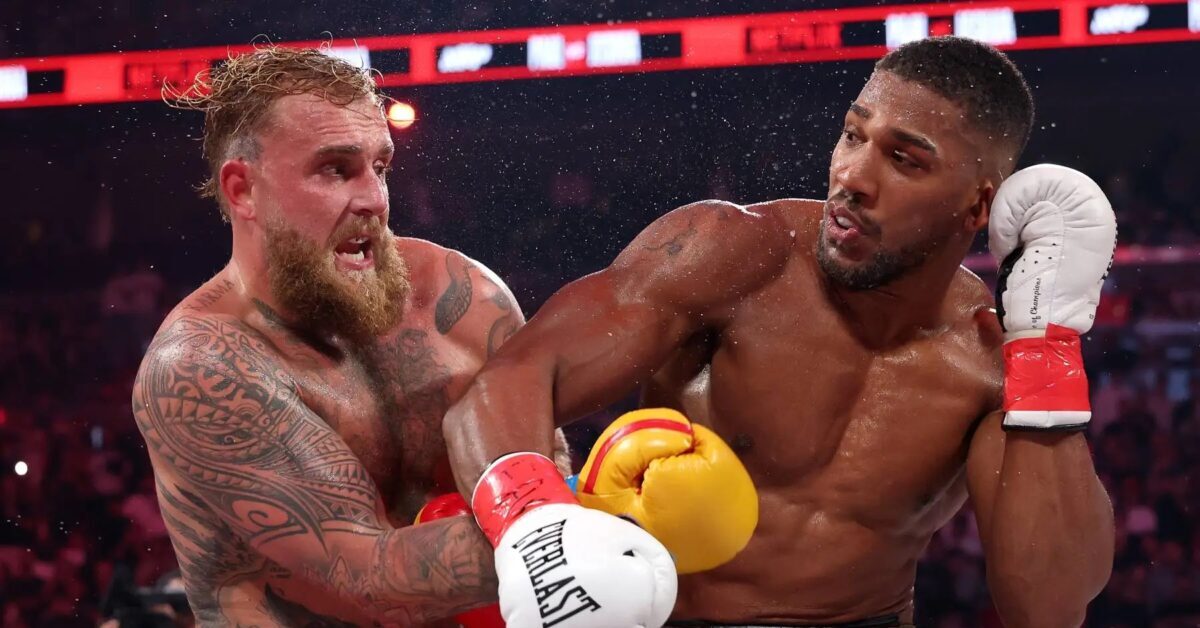
- Jake Paul defeated Anthony Joshua on December 19, 2025, in Miami.
- Fans and some commentators alleged parts of the fight and aftermath were “rigged” or “scripted”.
- Claims focused on referee interventions and crowd scenes that looked staged in clips shared online.
- The event took place at the Kaseya Center in Miami and streamed on Netflix.
- Media reports highlighted the allegations but presented no verified evidence proving the fight was fixed.
- The debate taps into boxing’s long-running tension between sport and spectacle.
Jake Paul’s win over Anthony Joshua was meant to be a blockbuster moment. It was a crossover fight with mainstream reach, a streaming spectacle, and a bold play for attention in the holiday sports window. Instead, less than 24 hours after the bout, the story is dominated by one word: rigged.
Coverage from multiple outlets reports a wave of fan claims that parts of the fight and the post-fight scenes looked staged or even scripted. At the center of the chatter are clips of the referee and the way the crowd reacted at key moments, which some on social media say felt too neat to be real. It’s a familiar internet cycle—big event, big reactions, bigger theories—but this time it’s attached to one of boxing’s biggest names and a platform with massive reach.
Inside the night: Paul beats Joshua in Miami
Here’s the baseline: on December 19, 2025, at the Kaseya Center in Miami, Jake Paul defeated Anthony Joshua. The event came with all the trimmings—high-end production, wall-to-wall promotion, and a major streaming stage in Netflix. The matchup was presented in an eight-round format, underscoring the hybrid nature of a show built for both boxing diehards and newer fans tuned in for spectacle.
That blend is part of the draw—and part of the problem. When the lights are bright and the cameras are everywhere, every beat of the show feels dramatic. For some fans, it felt too dramatic.
“If this wasn’t scripted, why did the reactions look timed to the second?”
Why the word “rigged” took over the timeline
The allegations didn’t appear out of thin air. Fans online pointed to two things most: referee interventions that they felt shaped the flow, and crowd reactions that seemed rehearsed when viewed in short clips. Those clips were shared, replayed, slowed down, and debated. As happens with viral moments, the story grew bigger than the facts we can confirm.
According to the media reports, these are claims and accusations circulating among fans and pundits. None of the coverage presents verified proof that the fight was fixed. What we have is a loud debate fed by edits, angles, and the natural suspicion that follows any massive fight with showbiz packaging.
The referee in the spotlight
Referees often become the story in high-profile bouts—sometimes for safety calls, sometimes for timing, sometimes for positioning. In this case, fan focus sharpened on specific moments where the official’s choices appeared to influence momentum. The clips are doing what clips do: stripping moments from the wider context and handing them over to the court of public opinion.
That doesn’t mean fans are wrong to ask questions. It also doesn’t mean their conclusions are correct. Without full, verified context and without formal evidence, we’re left with a noisy middle ground: lots of heat, not much light.
“Boxing is drama, not theater—so show us the difference.”
Showtime or sport? The Netflix effect
This event was built to be a show. That’s not a criticism; it’s the model. Boxing has always lived between sport and spectacle, from ring walks to music hits to celebrity front rows. A streaming-era fight card raises the production values even more. Big platforms want big moments, clean shots, and clear story beats.
When everything looks polished, some viewers see production and assume planning. But staging a broadcast is not the same as scripting a result. It’s important to separate tight TV direction from the serious claim of a fixed fight. The reporting we have reflects this line: it describes fan perception and social media chatter, not confirmed manipulation.
What the reporting actually says
Across the coverage, the outlets stick to a key point: fans and some commentators said the fight and the post-fight scenes looked staged, citing viral clips of the referee and the crowd. The stories track how those claims spread online. They also stop short of saying the fight was rigged, because there is no presented proof of that in the reporting.
In other words: the claims are newsworthy because they’re widespread, not because they’re verified.
“Show me evidence, not edits—then we’ll talk.”
What we know—and what we don’t
- Known: Jake Paul beat Anthony Joshua on December 19, 2025, at Miami’s Kaseya Center. The bout was streamed on Netflix in an eight-round format.
- Known: Allegations of a rigged or scripted event spread fast, fuelled by clips of referee moments and crowd reactions.
- Known: Media reports highlighted the controversy but did not provide hard evidence that the fight was fixed.
- Unknown: Any official findings that confirm or deny the claims beyond what fans shared online.
- Unknown: Whether more context—full-angle footage or formal explanations—would reshape how these viral moments are seen.
Why this matters: trust is the real title on the line
Boxing’s history is tangled with debates about judging, stoppages, and governance. That’s why trust is both fragile and vital. When a huge fight ends with the word “rigged” trending, even without proof, the damage is real. Casual fans grow cautious. Hardcore fans get defensive. The sport’s image takes a hit.
At the same time, modern fight promotion depends on hype that looks like Hollywood. The more polished the show, the louder the suspicions can sound. The answer isn’t to dim the lights; it’s to raise transparency. Clear officiating standards, quick explanations when possible, and open communication help stop rumors from becoming the story.
What comes next
This conversation won’t fade overnight. Fans will keep sharing clips. Pundits will keep debating. If there are official comments, clearer angles, or detailed breakdowns of the referee’s decisions, they could shape the narrative. Until then, the fairest read is simple: Jake Paul won; fans questioned how the night looked; the coverage reflects those questions without proving the case.
For boxing, the lesson is older than streaming: protect the ring’s credibility. For viewers, it’s a reminder to separate a show’s shine from a fight’s truth, and to hold space for both excitement and scrutiny.
Final word: Talk is healthy. Evidence is better. In a sport that thrives on drama, the line between sport and spectacle must stay clear—and that line is drawn by facts.