
Key Takeaways(TL;DR):
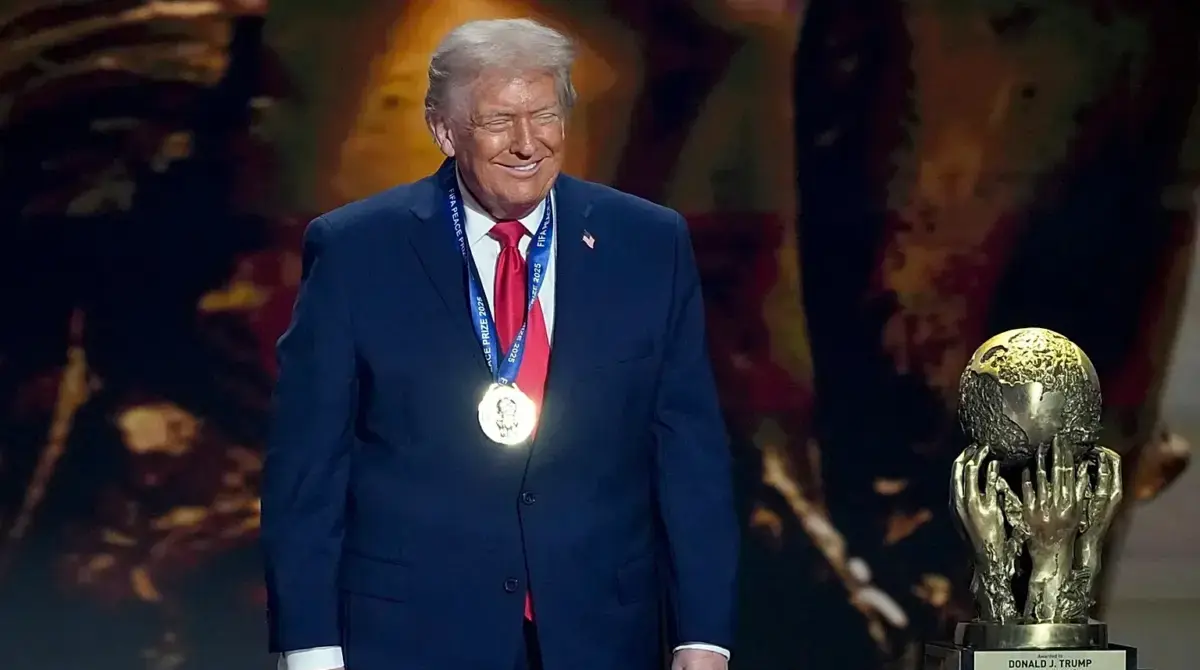
- FIFA presented its first-ever Peace Prize to U.S. President Donald Trump during the World Cup draw in Washington DC.
- FIFA president Gianni Infantino announced the award on stage, saying: “Mr. President, this is your prize. This is your peace prize.”
- Commentary called the decision hugely controversial, as human rights groups urged FIFA not to give the award.
- Next year’s World Cup will feature 48 teams for the first time, making it the largest tournament yet.
- Critics say the move mixes football and politics and raises questions about FIFA’s neutrality and judgment.
- The FIFA Peace Prize was newly created, highlighting the close relationship between Infantino and Trump.
Under the bright lights of the World Cup draw in Washington DC, FIFA president Gianni Infantino took the stage and did something never seen before. He presented the inaugural FIFA Peace Prize to U.S. President Donald Trump, a moment that immediately set the football world buzzing. The award, created by FIFA to honor those who make “exceptional contributions to peace and unity,” arrived with maximum theater and instant debate.
According to coverage of the ceremony, Infantino delivered the moment with a flourish: “Mr. President, this is your prize. This is your peace prize. There is also a beautiful medal for you that you can wear everywhere you want to go.” The words were simple and direct. The response from much of the audience beyond the hall was anything but.
The first FIFA Peace Prize lands in a storm
This was no quiet side-room presentation. FIFA tied the award to one of its biggest calendar moments: the World Cup draw. By doing so, the governing body ensured global attention. The prize is new, the stage was global, and the recipient, Donald Trump, is one of the most discussed figures in world politics. The result was a headline that traveled fast, and a debate that grew even faster.
Commentary around the event described the decision as hugely controversial. Human rights groups had urged FIFA not to present the award to Trump. Some critics went further, calling the whole scene “farcical.” Supporters of the move pointed to the stated aim of the prize—peace and unity—while opponents asked if those values were truly reflected by the choice.
“Is FIFA giving a peace prize or a political prize?”
Why this award, and why now?
One key thread is the relationship between Infantino and Trump. The two have built a close working relationship over time. The unveiling of a brand-new award for this moment only magnified that reality on stage. To many, the timing felt telling. This was not a long-running, historic prize. It was born now, at this draw, for this recipient.
That is where questions begin. How does FIFA define “exceptional contributions to peace and unity”? Who decides the winner, and under what criteria? Those details were not the headline on the night. Instead, the focus shifted to perception: the image of FIFA appearing to hand a political figure a freshly minted honor at football’s front door.
Human rights backlash and a split reaction
Human rights campaigners reacted quickly. Their message was clear and blunt: do not give this award to Trump. The event went ahead, and the criticism sharpened. This was described as a tone-deaf move that risks alienating many fans and stakeholders. It also raises questions about who FIFA believes should represent the sport’s best values.
Defenders might argue that football should reach across divides, that peace is bigger than politics, and that dialogue matters. Critics counter that words like “peace” and “unity” must be supported by broad trust and clear standards. Without that, an award can look like a handshake rather than a principle.
“Football should unite, not divide — this feels messy.”
World Cup draw sets the stage for a bigger World Cup
This controversy unfolded as FIFA prepared for its biggest tournament yet. Next year’s World Cup will feature 48 teams for the first time. That means more games, more stories, and more eyes on every decision FIFA makes. The draw is meant to be a celebration and a launchpad. Instead, the storyline was split between groups and outrage, brackets and backlash.
From a branding point of view, that matters. Sponsors, players, and fans want the game to be the center of the show. When politics walks onto the stage—even if the focus is a prize about peace—it can overshadow the football. The risk is that the conversation drifts from who will make a dark-horse run at the knockout rounds to who sits next to whom at a ceremony and why.
FIFA’s neutrality and the message sent
FIFA often speaks about using football as a force for good. That goal is easy to agree with. The challenge is how to live it without tilting toward one side of a political argument. By introducing a peace prize and giving it to a sitting U.S. president at a marquee event, FIFA has set a marker that will be measured for years.
At stake is trust. Fans and observers will ask: Is the process fair? Is it transparent? Is this really about football’s values, or is it about relationships? Those questions do not vanish after the draw. They follow the tournament into host cities and global broadcasts, shaping how people feel about the biggest event in sport.
“If the World Cup is for everyone, why hand out a prize that splits fans?”
What to watch next
The next steps matter. Clear criteria for the FIFA Peace Prize would help. So would an open answer to why this first award went to Trump, beyond a short stage line. FIFA may also face pressure from sponsors and partners who track public mood closely. If the prize returns in future years, the recipient list will either build its credibility—or break it.
Meanwhile, the football rolls on. With 48 teams entering the World Cup for the first time, the sport will deliver fresh faces, new matchups, and big stage drama. Players and coaches will be asked about this award. Some will deflect. Others will weigh in. Either way, the tournament will carry this moment with it, because the draw made it part of the story from day one.
Bottom line
On a night designed to set the world’s eyes on the World Cup, FIFA chose to share the spotlight with a new and highly charged honor. Gianni Infantino’s words were simple. The reaction was not. The first FIFA Peace Prize, presented to President Donald Trump, has opened a wide debate about what football celebrates, who it elevates, and how the game balances unity with the reality of politics.
That debate will not end soon. It will follow FIFA through the tournament build-up and into the world’s biggest sporting show. The ball will still roll. The goals will still count. But so will the questions—about peace, power, and who gets to wear the medal.
Source: LBC YouTube coverage of the FIFA World Cup draw ceremony, December 6, 2025.