
Key Takeaways:
- Ferrari unveils SF-26 at Fiorano with a shakedown slated for later today before pre-season testing in Barcelona (Jan 26-30).
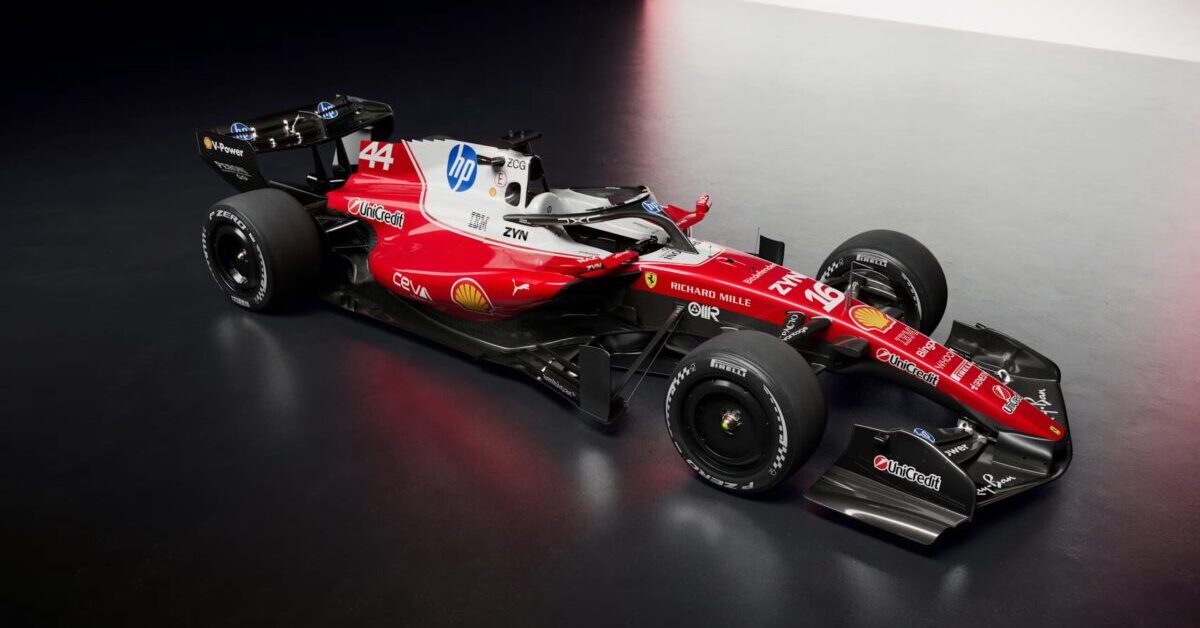
- Livery brings back gloss paint and adds more white with the classic red, linking past and present after seven years of matte.
- New 2026 rules: aero changes, fresh power units, and 100% sustainable fuel shape Ferrari’s “complete rethink” of the car.
- Key stats: Ferrari finished P4 in 2025; Leclerc scored 7 podiums; Hamilton had his first winless points season.
- Technical highlights: pushrod suspension front and rear, serrated engine cover edge into an extended shark fin.
- Competitive watch: rivals may gain up to four-tenths per lap via fuel compression; Ferrari sees it as complex to copy quickly.
Ferrari used its Fiorano test track to pull the covers off the SF-26, the team’s first challenger of the new rules era, and the sixth 2026 livery to be revealed. The car will turn its first laps in a shakedown later today, setting the tone for a long pre-season that begins in Barcelona from January 26-30.
The twist that had social feeds buzzing? Ferrari has brought back gloss paint and added more white to its classic red. It’s a clear nod to the past, and a deliberate way to say this new era is still rooted in Ferrari tradition. After seven years of matte finishes, the shine is back.
This is also a fresh start after a flat 2025. Ferrari ended last year fourth in the constructors’ standings, scored no wins, and saw mixed fortunes: Charles Leclerc logged seven podiums; Lewis Hamilton, starting his Ferrari chapter, endured his first winless points season.
SF-26 design: lighter, cleaner, and built for the 2026 F1 rules
The SF-26 arrives as the first Ferrari built to F1’s 2026 regulations, which overhaul aerodynamics and power units and switch to 100% sustainable fuel. Ferrari describes the car as a “complete rethink of the car’s architecture” to fit the new chassis and engine rules. The look is “cleaner lines and an overall philosophy focused on reducing weight and improving efficiency.”
Technical director Loic Serra explained the approach: “We dedicated significant time to the concept phase to capture as much as possible of the new regulatory and technical context. We also had to ensure that the car’s architecture would allow us enough flexibility for in season development.” That last line is key. In 2026, adaptability may be as valuable as out-and-out speed.
There are some clear visual tells. Ferrari runs pushrod suspension at both ends — the first time at the rear since 2011. The engine cover features a serrated edge that flows into an extended shark fin. These choices speak to airflow control and stability, and also to unlocking efficiency that the new rules will reward.
“Gloss red with white accents and a shark fin? It screams old-school Ferrari with 2026 tech.”
Ferrari’s 2026 challenge: new fuel, new power, new priorities
The 2026 power unit rules shift the balance between the engine and energy recovery systems and mandate fully sustainable fuel. That changes how teams chase performance and cooling. Ferrari’s “complete rethink” is designed to meet those demands from day one.
But there’s also noise in the paddock. Early whispers suggest Mercedes and Red Bull may be exploiting fuel compression ratios for a noticeable gain — up to four-tenths per lap. Ferrari engineers see that path as technically complex to replicate quickly. If true, that makes early development pace and clever upgrades even more important for Maranello.
“If rivals have a four-tenths edge on fuel tricks, Ferrari must win on aero and tire life.”
Leclerc and Hamilton: urgency meets expectation
Ferrari’s driver lineup is elite and hungry. Leclerc’s seven podiums in 2025 showed consistency, but the trophy he wants is the big one. His message as the SF-26 arrived was blunt: “it’s now or never” for Ferrari to deliver a title-winning car.
Hamilton’s first season in red brought no podiums — a jarring stat for a seven-time world champion. A reset car and rulebook could suit him. His feel for balance and race management will be vital as everyone learns how the 2026 package behaves over long runs and in traffic.
All of this plays out under Ferrari’s longest-running pressure point: the team hasn’t won a championship since 2008. They narrowly missed out in 2024, then stumbled in 2025. The SF-26 is their answer.
“Leclerc says now or never. Hamilton needs a platform. The SF-26 has to be both.”
Livery story: gloss is back, and so are Ferrari’s roots
The SF-26’s visual identity matters. The extra white against classic red, and the return to gloss paint, aim to connect past and present. It’s a lift for the tifosi who flooded Fiorano from before dawn — many arriving as early as 5 a.m. — to get a first look. This is Ferrari’s way of saying the new era won’t forget what makes the Scuderia unique.
At a deeper level, small changes like paint can even play into weight and cooling choices. But the main point is emotional: this car should look and feel like a Ferrari, even as the rulebook changes everything under the skin.
Fiorano shakedown, F1 testing dates, and early 2026 calendar
The SF-26 will roll out at Fiorano later today for a systems check. Then the focus turns to pre-season testing. Barcelona runs January 26-30, followed by two Bahrain tests on February 11-13 and 18-20. Expect Ferrari to cycle through setup ideas quickly, using that “flexibility for in-season development” Serra described.
The season starts March 8 in Melbourne. Then it’s a quick march: China on March 13-15 with a Sprint, Japan on March 27-29, Bahrain April 10-12, Saudi Arabia April 17-19, Miami May 3, Canada May 24, Monaco June 7, and Spain June 14. Ferrari needs to be sharp from round one.
On the launch front, Ferrari followed Red Bull, Racing Bulls, Haas, Audi, and Mercedes in revealing its look, making it the sixth team to show 2026 colors. On-track, they’ll run after groups that already turned wheels, including Racing Bulls, Audi, Cadillac, Mercedes, and Alpine.
So what must Ferrari get right?
Three things stand out. First, efficiency: the 2026 cars will reward low drag and good energy use. Ferrari’s cleaner shape and pushrod layout point in that direction. Second, adaptability: the team built the SF-26 to allow upgrades without boxing themselves in. In a year where understanding the new fuel and power split will evolve fast, that matters. Third, tire life: if rivals find engine tricks, Ferrari can still win by treating the tires better and nailing race pace.
Ferrari’s language around the car suggests a calm, thorough process: rethink the base, stay light, and keep room to grow. It’s sensible. Whether it’s enough will become clear quickly with Barcelona’s long runs and Bahrain’s heat.
Bottom line: a clean slate with a clear identity
The SF-26 arrives with a sharper look, a clear plan, and a touch of heritage in its gloss-and-white livery. The tifosi’s early morning energy at Fiorano shows the mood: hopeful, but demanding. Ferrari’s last title was in 2008. The team knows the stakes.
Today’s shakedown starts the clock. Testing begins in days. Melbourne is on March 8. With Leclerc’s urgency, Hamilton’s experience, and a car built for a very different rulebook, Ferrari’s 2026 story is ready to be written. Now they have to make it fast.