
Key Takeaways(TL;DR):
- Cars get lighter: a 30 kg drop, plus shorter and narrower designs for 2026.
- Active aero on front and rear wings for all drivers; DRS is removed.
- 50/50 hybrid split: more battery power and equal energy share between engine and electric drive.
- New overtake-assist gives a short battery boost when within one second of the car ahead.
- Safety upgrades: two-stage nose, tougher side intrusion rules, and stronger protection for the driver and fuel cell.
- Sustainable fuels and a record six committed power unit manufacturers for 2026.
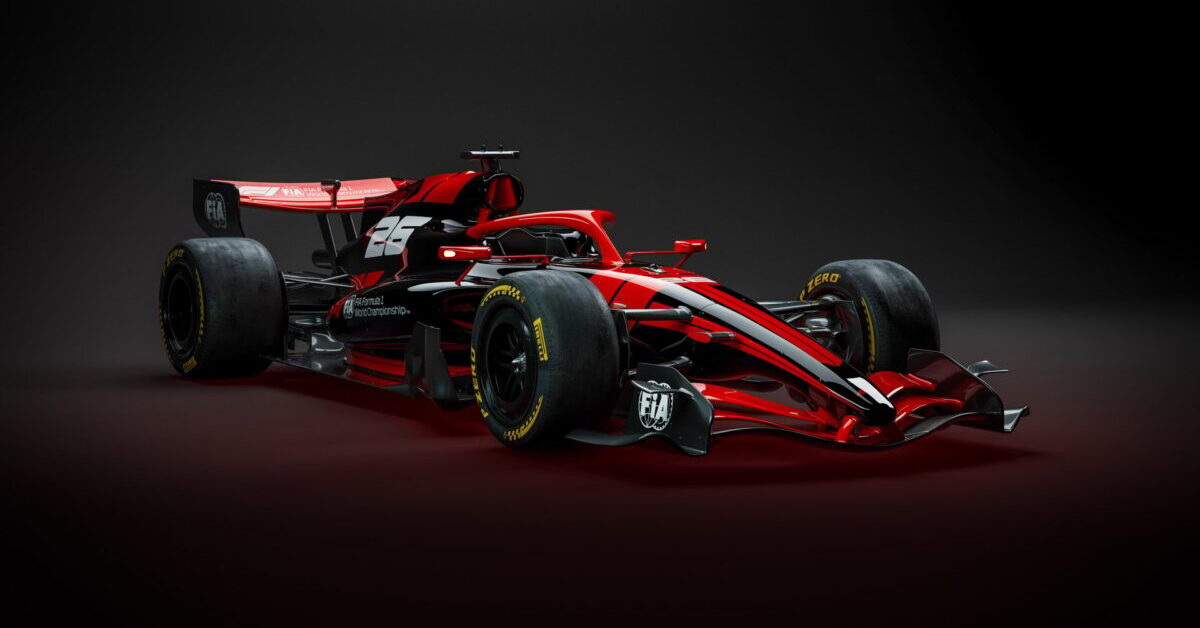
The next era of Formula 1 is official. The FIA has signed off a full reset of the sport’s technical and sporting rules for 2026, and it targets three things fans always ask for: closer racing, smarter tech, and safer cars. The new package makes the cars shorter, narrower and 30 kg lighter. It also introduces active aerodynamics, removes DRS, and reshapes the hybrid power unit for a bigger electric punch and sustainable fuels.
As the FIA put it, “Lighter, more powerful and more focused on driver skill, the 2026 FIA Formula One Technical Regulations have been designed to provide closer racing among drivers, increase the competition between teams and to improve the spectacle.”
What’s changing on the 2026 F1 car
Visually, the cars will look tighter and more agile. Under the skin, the ground-effect era’s long underfloor tunnels are gone. In their place come flatter floors and extended diffusers with larger openings. This should create less downforce and push teams to run a bit higher, opening up set-up variety and making cars less “stuck” to the track.
Wings are simplified. The front wing is narrower, with cleaner elements, while the rear wing loses the small beam wing at the bottom. The outer edges of the front wing will still allow development, so expect creative ideas there. The headline figure, though, is weight: a 30 kg mass reduction compared to the current spec.
PlanetF1’s overview sums up the feel of this reset: “The cars will be narrower and lighter, and the sport bids farewell to long ground-effect tunnels, as well as DRS.”
Active aerodynamics replace DRS
The most eye-catching change is the arrival of Active Aero on both the front and rear wings. Drivers will be able to change the angle of the wing elements depending on where they are on track. In corners, the flaps stay in their default, closed position for grip. On designated straights, drivers can switch to a low-drag mode that opens the flaps to slice through the air for more top speed.
Formula1.com put it simply: “The most significant change is the introduction of Active Aero. The cars can adjust the angle of both their front and rear wing elements depending on where they are on track.” Crucially, this is not DRS. It’s available to every driver, every lap, on the marked straights. No more waiting to be within a one-second window to hit a flap. The playing field evens out, and the race craft shifts to timing, braking, and energy use.
“Open wings for all and no DRS? Now we find out who can really race.”
Power units: 50/50 hybrid split and sustainable fuels
The engine room gets a major rethink. From 2026, the power unit’s energy will be split roughly 50/50 between the internal combustion engine and electric power. That means more battery output, a higher electrical contribution across a lap, and more strategic depth in how drivers deploy energy on offense and defense.
These units will also run on advanced sustainable fuels. It’s a key pillar of the rules and aims to keep performance while cutting the sport’s environmental impact. The FIA says a record six power unit manufacturers are committed for 2026, which is good news for competition. More builders means more ideas and a healthier development race.
“A 50/50 hybrid split on sustainable fuel feels like the right future.”
Overtaking tools: battery boost, not drag reduction
With DRS gone, the show needs a new way to help passes without making them too easy. Enter an overtake-assist that gives a short burst of extra battery power when a driver is within one second of the car ahead. Combine that with Active Aero’s low-drag mode on the straights, and you have a two-part toolkit: lower drag for both cars, plus a timed electric push for the chaser.
This should shift the art of passing toward energy timing, braking bravery, and exit speed — skills fans want to see. Expect drivers to play “push and counter” games with battery use, especially late in stints.
“If the car is 30 kg lighter, give us more fights on the brakes.”
Safety first: stronger where it matters
Safety improvements arrive across the car. The front impact structure adopts a two-stage nose design, aimed at better energy absorption in different types of hits. Side intrusion rules are tougher, and protection around the driver cell and the fuel cell gets a clear upgrade. All of this targets fewer failures under heavy loads and more controlled energy transfer in accidents.
The goal is simple: better protection without dulling the sport’s edge. With lighter, more agile cars, stronger structures are a smart backstop.
Why this could improve the racing
Less downforce and lower weight often mean longer braking zones and more room for error. That’s where overtakes live. The return to a flatter floor and simplified wings should also reduce the punishing “dirty air” wake that made following so tough in the past. Add Active Aero for everyone, a battery boost for the chaser, and a car that moves around more under the driver — and you get a recipe for closer fights lap after lap.
As PlanetF1 framed it, this is a clean break: no long tunnels, no DRS crutch. The spectacle will come from how drivers manage grip and energy, and from how teams tune their cars from track to track.
Winners, risks, and what to watch
There will be a learning curve. Teams must balance low drag for straights with enough grip for corners, while also juggling battery deployment. The simplified front and rear wings, and the higher ride heights, will push engineers to find efficiency in new places — think the outer front wing edges and the diffuser.
On track, watch for:
- More strategic energy battles, not just push-to-pass moments.
- Late-braking duels helped by the 30 kg weight drop.
- Different set-ups creating team-to-team variety, not copy-paste designs.
- Power unit reliability and harvesting efficiency as key differentiators.
All of this supports the FIA’s stated aim for 2026. As Formula1.com highlighted, Active Aero is the headline. But the full package — power, aero, safety, and sustainability — works together to help the show and secure the sport’s future.
“The cars will be narrower and lighter, and the sport bids farewell to long ground-effect tunnels, as well as DRS.” That line from PlanetF1 reads like a mission statement. Now it’s up to teams and drivers to turn it into better racing.
Bottom line
F1’s 2026 rules are bold and clear. Lighter cars, smarter aero for all, a bigger electric kick, sustainable fuels, and safer structures. The FIA says the goal is closer racing and a better spectacle. If the balance lands right, we’ll get more passes, more strategy, and more driver skill on display — with the sport pointing toward a cleaner future.
It’s a big reset. And for fans, it promises a simple reward: faster heads-up racing, decided by brave moves and sharp minds.