
Key Takeaways:
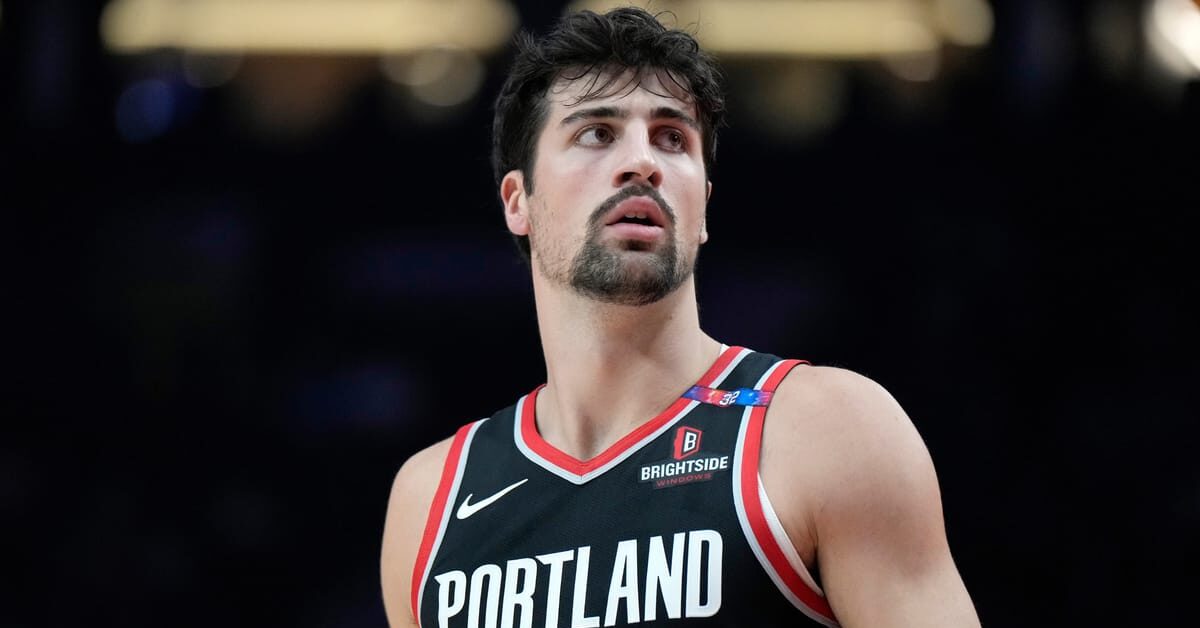
- Final injury report for Celtics vs. Trail Blazers (Mon., Jan. 26, 5 PM PT) features Deni Avdija and Neemias Queta listed as questionable.
- Portland opens a back-to-back in Boston before visiting the Wizards on Tuesday; roster decisions may reflect that quick turnaround.
- Jayson Tatum is out (right Achilles repair); Jaylen Brown is off the injury list and carrying a 27.7 PPG scoring load.
- Blazers began 2026 at 9–3; health trending up despite eight names appearing on recent reports.
- Queta played 28 minutes Friday despite illness; his status shapes Boston’s rim protection and rebounding plan.
- Avdija reinjured his lower back Jan. 23 vs. Raptors; his upgrade to questionable is a “promising development.”
Two teams on very different health curves meet in Boston on Monday night, and both will make late calls on key rotation pieces. With a 5 PM PT tip at TD Garden, the Portland Trail Blazers open a back-to-back against the Celtics with forward Deni Avdija upgraded to questionable after a lower back setback, while Boston lists center Neemias Queta as questionable due to illness. It’s a matchup layered with storylines, from Portland’s quiet surge in 2026 to Boston navigating life without Jayson Tatum.
Final injury report: Celtics vs. Trail Blazers
Portland’s medical notes have been a rollercoaster, but there’s fresh optimism. “Having eight players pop up on the injury report may suggest otherwise, but this Blazers team is quietly getting much healthier,” one update framed it. The headline item: Avdija, who reinjured his lower back in the Jan. 23 game against Toronto after being listed doubtful that day, has been upgraded to questionable for Boston. Another report put it plainly: “Portland has listed Avdija as questionable due to a lower back strain and he is in danger of missing his second consecutive contest.”
For the Celtics, Queta remains under the weather but is trending tough. He’s been battling an illness since Friday, yet he still logged 28 minutes that night, a sign Boston trusts his workload if he’s cleared. “The Celtics may not have Neemias Queta available… Queta has been suffering from an illness since Friday but has managed to play through it,” read Monday’s cautionary note. Boston’s bigger absence is known: Jayson Tatum remains out following right Achilles repair.
Jaylen Brown, who recently dealt with hamstring tightness, is off the injury list. And in a subplot with Boston flavor, Portland big man Robert Williams III is listed as questionable and has not faced his former team since the trade three years ago.
“If Queta can go, Boston’s boards look fine. If he can’t, who does the dirty work?”
Avdija’s status and Portland’s wing puzzle
Avdija’s upgrade matters for more than minutes; it shapes how Portland balances size, defense, and pace against Boston’s perimeter trio. The 23-year-old left a recent game against Miami due to back pain and then aggravated the issue against the Raptors. Even if he suits up, the Blazers will likely monitor his burst and contact, especially with the second leg of a back-to-back looming on Tuesday in Washington.
Portland’s staff knows the risk-reward. This group began 2026 at 9–3, one of the West’s surprise start-of-year records. With health improving and roles settling, the Blazers have reportedly shifted from survival mode to exploring upgrades ahead of the Feb. 5 trade deadline. Getting Avdija back, even on a minutes plan, supports their defensive ceiling and keeps the rotation flexible.
Queta’s availability and the Celtics’ frontcourt
Queta’s case is less about usage and more about identity. Boston’s center has delivered rugged two-way numbers: 10.3 points, 7.8 rebounds, 1.2 steals, and 1.3 blocks per game. He gives the Celtics vertical spacing on offense and a strong rim deterrent on defense. If his illness limits him, Boston will have to spread those chores across the rotation.
Without Tatum, Boston has leaned further into guard-led creation. Derrick White’s all-around surge (17.1 points, 5.4 assists, 1.7 blocks) underscores just how complete his game has become, while Payton Pritchard’s 15.6 points and 2.1 threes per night add a steady diet of spacing and timely drives. The formula works best when Boston controls the glass and keeps the paint clean—two boxes Queta helps check.
“No Tatum, no problem… if Brown gets downhill and White keeps swatting shots.”
Stars, form, and the numbers to watch
Jaylen Brown remains the headliner. He’s averaging 27.7 points, 6.9 rebounds, and 4.6 assists with 2.1 made threes—enough to tilt most matchups, especially if Portland’s best wing defender is limited. White’s 1.7 blocks per game from the guard spot is a unique edge, and Pritchard’s quick-trigger shooting keeps the floor spaced around Brown’s drives.
Portland brings a fun, balanced attack. Shaedon Sharpe is scoring 22.0 points per game with 2.3 threes and 1.7 steals—energy that can flip runs in a hurry. Anfernee Simons, at 2.9 made threes per night, stretches coverage and forces top defenders to make choices. Rookie big Donovan Clingan is already a nightly double-double threat (13.0 points, 11.8 rebounds), and Toumani Camara’s two-way profile (14.0 points, 2.8 threes) gives the Blazers a plug-and-play forward who doesn’t need the ball to help.
With Tatum out, the tactics simplify: Boston will ride Brown’s scoring and White’s playmaking, hoping Queta can stabilize the paint. Portland will try to pressure the ball, win in transition, and test Boston’s depth over 48 minutes—especially if the Celtics’ frontcourt is short-handed.
Back-to-back management: Portland’s calculus
This is game one of a road back-to-back for the Blazers, who visit the Wizards on Tuesday. That context matters. Questionable players often face stricter minute caps or late scratches against the first opponent if the staff prefers a better matchup on the second night. Given Avdija’s back history the last week, Portland may wait until pregame warmups to decide and then keep his leash tight if he’s active.
The silver lining for Portland is improving overall health. As one report noted, it looks crowded on paper, but underneath, the trendline is positive. That’s a key reason the Blazers are reportedly weighing deadline moves as buyers—depth is useful now and insurance for spring.
“Blazers at 9–3 in 2026, on the road, and getting healthier? That’s a different January vibe.”
Matchup edges and what to watch
- Paint protection: If Queta plays, Boston’s rim deterrence rises. If not, Portland should attack the lane with Sharpe’s burst and Simons’ pull-up game.
- Perimeter threes: White (2.7 3PM) and Pritchard (2.1 3PM) vs. Simons (2.9 3PM) and Camara (2.8 3PM) is a swing area. Early makes could decide coverages for the rest of the night.
- Brown’s usage: Expect Boston to feature him early. Portland may throw multiple looks—bigger wings, stunts from the nail, and late switches to keep him out of rhythm.
- Boards and second chances: Clingan’s 11.8 rebounds are real. If Queta is limited, Portland’s size should pound the glass.
Big picture and final word
At a macro level, both clubs are searching for clarity. The Celtics, even without Tatum, are finding lines that work because Brown is thriving and the backcourt is defending above its size. Queta’s status is the hinge: he’s the easiest way for Boston to keep control of the interior.
For Portland, the goal is to keep stacking wins while getting healthier. The 9–3 start to 2026 shows what the group can be when roles are set and the training room is calmer. Avdija’s upgrade to questionable is encouraging—exactly the kind of incremental step that fuels a steady January push. With another game Tuesday, the Blazers will balance today’s need with tomorrow’s plan.
Final note: The NBA’s official injury reports updated on Sunday and again Monday afternoon confirm the core picture—Avdija and Queta are true game-time variables, Tatum remains out, Brown is clear, and Portland’s list is long but trending better. We’ll know more closer to tip, but the shape of the contest is already defined: control the paint, hit open threes, and manage the minutes.