
Key Takeaways:
- Buffalo promotes OC Joe Brady, 36, to head coach on a five-year deal after firing Sean McDermott on Jan. 19, 2026.
- McDermott exits after nine seasons with a 66% win rate following a Divisional Round loss to end 2025.
- Brady’s 2024 offense went 13-4, reached the AFC title game, and set an NFL mark with 13 different players catching TDs.
- The 2025 Bills finished 11-6, won a fourth straight AFC East title, and took 6 wins in their last 7.
- Josh Allen enters his 9th NFL season in 2026; he was involved in the search and has worked with Brady since 2022.
- Staff ripple effects: OC seat opens; OL coach Aaron Kromer retired; ST coordinator Chris Tabor to Dolphins; DC Bobby Babich likely stays for stability as the $2.1B new stadium opens in 2026.
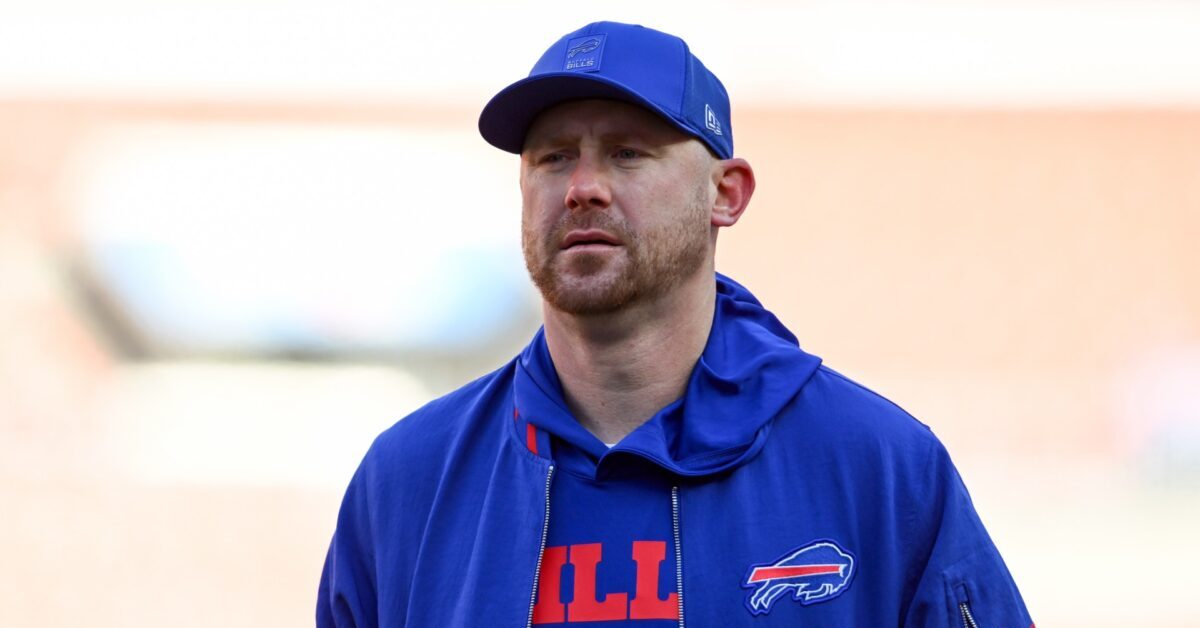
The Buffalo Bills have their next head coach, and it’s a bet on familiarity, timing, and a quarterback’s prime. On Tuesday, the team agreed to terms with 36-year-old offensive coordinator Joe Brady on a five-year deal, promoting the play-caller who helped steer the offense over the past three seasons.
The move comes eight days after the firing of Sean McDermott on Jan. 19, 2026, following a Divisional Round exit that capped the 2025 campaign. McDermott leaves after nine seasons and a 66% win rate, a run that reshaped the franchise’s standards but fell short of the last step.
Brady has been close to this core since 2022, first as quarterbacks coach, then as interim offensive coordinator in mid-2023 after Ken Dorsey’s dismissal, and finally as full-time OC in 2024 and 2025. The team’s announcement was direct: “The Buffalo Bills agreed to terms with Joe Brady on Tuesday to be the team’s next head coach on a five-year contract.” Another league report echoed it: “Brady has agreed to terms on a five-year deal, per The Insiders.”
Why the Bills chose Joe Brady
This hire is about continuity over shock value. General manager Brandon Beane has emphasized a clear vision for the roster and staff. The goal is to keep the offense on track, not to rip it up. That fits where the Bills are: built to win now, with an elite quarterback who knows the system and the man calling it.
Josh Allen, entering his ninth NFL season in 2026, had a voice in the process and has worked closely with Brady since 2022. In a league where QB–coach alignment often makes or breaks a season, Buffalo leaned into the relationship it already trusts.
“Continuity over the splash hire. Protect Allen’s window and go.”
Offensive track record with Josh Allen
The on-field case for Brady is simple. In 2024, the Bills went 13-4, reached the AFC Championship, and set a league record with 13 different players catching a touchdown. That speaks to creativity, depth, and trust in the full roster. It also points to what Brady values: spreading the ball, playing matchups, and keeping defenses off balance.
In 2025, the record dipped to 11-6, but Buffalo still claimed a fourth straight AFC East title and closed strong with six wins in its last seven. The offense wasn’t always smooth, yet it was resilient enough to keep the Bills atop the division and in the tournament.
Now Brady moves one chair over. The task changes from scripting plays to setting the full program: offense, defense, special teams, and culture. But the north star remains the same—maximizing Allen and giving him answers late in January.
“We hired ‘Brady’—but the one who can actually help Josh.”
McDermott’s exit and the pivot to continuity
Firing a coach with a 66% win rate is never light. According to one report, “I’m told that during a meeting held five weeks ago between McDermott, Beane and Pegula, the coach pointed out what the roster lacked to win a Super Bowl.” Whether you agree or not, the front office’s response was clear: keep the structure, change the voice.
That’s why Brady, not an outsider, got the job. He knows the locker room. He knows the quarterback. And he knows where the offense can still grow.
“Nine years of culture built—now finish the job, not reset.”
Staff ripple effects: OC search, line, special teams, defense
Brady’s promotion opens the offensive coordinator seat. That hire will be his first big call, and it will say a lot about how much he wants to evolve versus stick. The offensive line also needs attention after veteran OL coach Aaron Kromer retired on Jan. 18. Special teams will be in new hands, too, as coordinator Chris Tabor left for the Miami Dolphins on Jan. 23.
On defense, expect stability. Defensive coordinator Bobby Babich is likely to be retained to keep the system and language consistent. That should help a unit that has been good enough to win big games and just needs the offense to do its part in the biggest moments.
The stakes: new stadium, real window
All of this unfolds as the Bills open a new $2.1 billion stadium in 2026. It’s a fresh stage and a clear marker. Ownership wants a product that matches the building. Fans want it, too. The AFC remains loaded, but the Bills have a top quarterback, a proven GM, and now a head coach familiar with what works in Orchard Park.
It’s also why not everyone will agree with the internal hire. Some fans wanted a splash from the interview list—Brady spoke with the Falcons, Cardinals, Ravens, Raiders, and Dolphins. Others feared the name “Brady” for a very different reason, joking they first thought of Tom. But the team chose the path that keeps the system intact and bets big on growth from within.
What’s next for Joe Brady and Buffalo
First, fill out the staff: hire an OC, confirm Babich, replace Kromer and Tabor. Next, sync free agency and the draft with Beane to add speed, protection, and red-zone answers. Then, build the practice habits and situational football that win in January.
Buffalo has climbed the mountain year after year. The last few steps are the hardest. That’s the job Joe Brady just took—and the job the Bills believe he’s uniquely set up to finish.
Bottom line: The Bills didn’t chase shiny. They chose fit, timing, and the coach who knows Josh Allen best. The five-year deal shows trust. Now the results have to show up when the air turns cold.