
Key Takeaways:
- Carlos Beltrán elected in his 4th year with 84.2% (358/425); 2,725 hits, 435 HR, 312 SB; one of only five with 400+ HR and 300+ SB.
- Andruw Jones elected in his 9th year with 78.4% (333/425); 10 straight Gold Gloves; 434 HR; first Hall of Famer from Curaçao.
- They join Jeff Kent, elected in December by the Contemporary Baseball Era Committee; induction is July 26, 2026, in Cooperstown.
- BBWAA cast 425 ballots; 75% threshold was 319 votes; average of 5.77 names per ballot.
- Other notable results: Chase Utley 59.1% (3rd year), Andy Pettitte 48.5%, Félix Hernández 46.1%.
- Beltrán’s early totals were slowed by the Astros sign-stealing fallout; he’s likely to wear a Mets cap. Jones rose from 7.3% as a first-timer in 2018.
Two of the finest center fielders of their era are headed to Cooperstown. On January 20, 2026, the Baseball Writers’ Association of America elected Carlos Beltrán and Andruw Jones to the National Baseball Hall of Fame, confirming what many fans and analysts have argued for years: elite two-way play still matters in the Hall debate. And they won’t be alone on the Clark Sports Center stage this summer.
Beltrán earned 358 votes, or 84.2%, in his fourth year on the ballot. Jones received 333 votes, good for 78.4%, in his ninth year. They will be inducted on July 26, 2026 in Cooperstown, New York, alongside slugging second baseman Jeff Kent, who was elected by the Contemporary Baseball Era Committee in December.
How the 2026 Hall of Fame vote shook out
The BBWAA submitted 425 ballots this cycle, with the 75% election mark set at 319 votes. Voters averaged 5.77 names per ballot, a modest number that often signals a careful, selective approach to borderline cases. Beltrán and Jones cleared the line with room to spare, giving this Hall class a beautifully balanced shape: an all-around switch-hitting star, a defense-first icon with thunder in his bat, and an MVP-winning second baseman in Kent.
Several notable candidates remain on the outside for now. In his third year on the ballot, Chase Utley rose to 59.1% (251 votes), keeping his case very much alive. Left-hander Andy Pettitte drew 48.5%, while former Cy Young winner Félix Hernández posted 46.1%. Each has time to build support, but none crested close enough to spark a last-minute push this year.
“Two center fielders, two very different peaks — same Cooperstown finish line. That’s perfect.”
Carlos Beltrán’s complete game: power, speed, and staying power
Beltrán’s numbers have long read like a Hall of Famer’s resume. He finished with a .279/.350/.486 line and a 119 OPS+, plus 2,725 hits, 565 doubles, 435 home runs, 1,587 RBIs, 1,582 runs, and 312 stolen bases. He was a nine-time All-Star and won three Gold Gloves in center field.
That mix of power and speed places him in one of baseball’s rarest clubs. Beltrán is one of only five players with 400+ homers and 300+ steals, standing with Barry Bonds, Alex Rodríguez, Willie Mays, and Andre Dawson. That’s blue-chip company in any era.
His path through the vote, however, was not simple. Beltrán debuted at 46.5% in 2023, climbed to 57.1% in 2024, and to 70.3% in 2025. Early resistance clearly tied to the Houston Astros sign-stealing scandal slowed momentum, but steady gains suggested voters were separating a long, elite career from a later controversy. This year’s 84.2% confirms that shift.
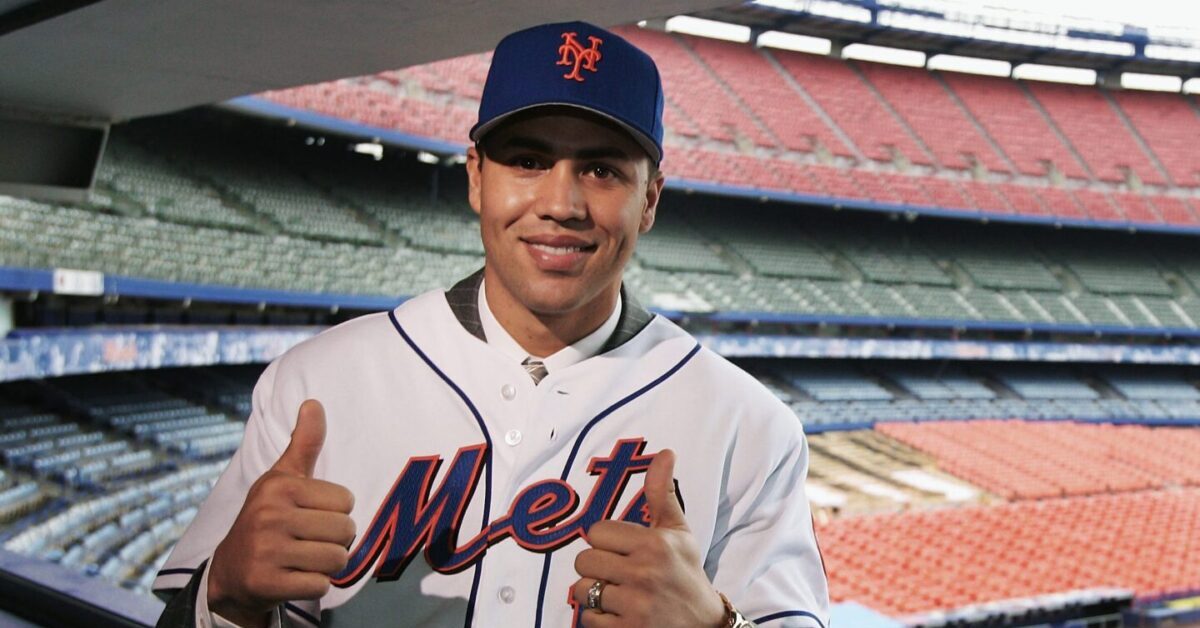
Beltrán also hinted at how he will be remembered on his plaque. “There’s no doubt that the Mets are a big part of my identity. There’s no doubt that the Mets have a lot of weight on that decision,” he said, pointing to a likely Mets cap in Cooperstown.
“Beltrán’s 400/300 club is the tiebreaker. That’s all the context you need.”
Andruw Jones’s glove-first greatness finally gets its due
Jones’s case has always started in center field. From 1998 to 2007, he won 10 consecutive Gold Gloves. His jumps, routes, and control of the deep outfield were the standard for a decade. But his bat was hardly quiet: a career .254/.337/.486 slash and 111 OPS+, with 1,933 hits, 383 doubles, 434 homers, 1,289 RBIs, 1,204 runs, and 152 steals.
His highlights span the biggest stage. At 19, he became the youngest player ever to homer twice in a World Series game (1996). In 2005, he led the National League with 51 home runs. And now, he becomes the first Hall of Famer from Curaçao, a milestone he called a “great honor.” As Jones put it: “I mean, we grew up playing baseball so much down there, that’s all we knew since we grew up — we wanted to play baseball. [To be] the first player to make it from Curacao, it’s a great honor. And I know we’re going to have more people coming.”
Jones’s climb on the ballot is a story of re-evaluation. He debuted with just 7.3% in 2018, brushing near the 5% drop-off line in a crowded era. Year after year, advanced metrics and voters’ eyes aligned on one point: defense at that level is historic value. His 78.4% this year feels like a correction as much as a celebration.
“If defense matters, Andruw is in. Voters finally matched the metrics.”
Reading the ballot: who’s next, and what the numbers say
Every ballot tells a story. This one says elite center field defense and two-way excellence can overcome doubts, as long as the full picture is considered. It also says the bar remains high. With the threshold at 75% and a 5.77-name average per ballot, each vote is precious. That’s why Utley’s 59.1% in Year 3 matters. It gives him a strong base for the seasons ahead. Pettitte and Hernández have work to do, but their totals keep the door open.
For Beltrán, the arc from 46.5% to 84.2% in four years underscores how voters weigh context, remorse, and the scale of a career. For Jones, the rise from 7.3% to 78.4% shows that “peak” and “glove” can carry a case when the bat is very good, not just great. Both journeys strengthen the Hall’s message: there are many paths to greatness.
Cooperstown 2026: what to expect on induction day
With Jeff Kent joining the dais via the Contemporary Baseball Era Committee, the Class of 2026 offers a clean snapshot of the 1990s and 2000s game: the switch-hitting all-rounder (Beltrán), the premier run-saver with 40-homer pop (Jones), and the power-hitting second baseman with an MVP on the shelf (Kent). It’s a class that will connect with fans across eras and roles.
The ceremony is set for July 26, 2026. Expect Mets fans to travel strong for Beltrán, given his comments about the cap on his plaque. Expect Braves fans to roar for Jones, the heartbeat in center for a generation. And expect the conversation to include how the BBWAA’s view of defense and all-around value continues to evolve, not just for these honorees, but for the next wave of candidates.
At the end of the day, the 2026 vote felt fair and firm. Beltrán and Jones didn’t just compile; they shaped how their positions were played. That’s the definition of a Hall of Famer. Now, the plaques will make it official.