
Key Takeaways(TL;DR):
- Ronald Araujo returned to Barcelona training after a mental health break, joining an open session at Johan Cruyff Stadium.
- His time away followed backlash over a red card in Barcelona’s 3-0 loss to Chelsea in the Champions League.
- Coach Hansi Flick had called the absence a “private situation,” and the club is showing extreme caution with his return.
- With Andreas Christensen out for months with a knee injury, Araujo’s comeback is key to Barcelona’s defense.
- Barcelona face in-form Espanyol on Saturday in the Catalan derby, one of the most intriguing in recent years.
- There is no set date for Araujo’s competitive return; the club is letting the player lead the pace.
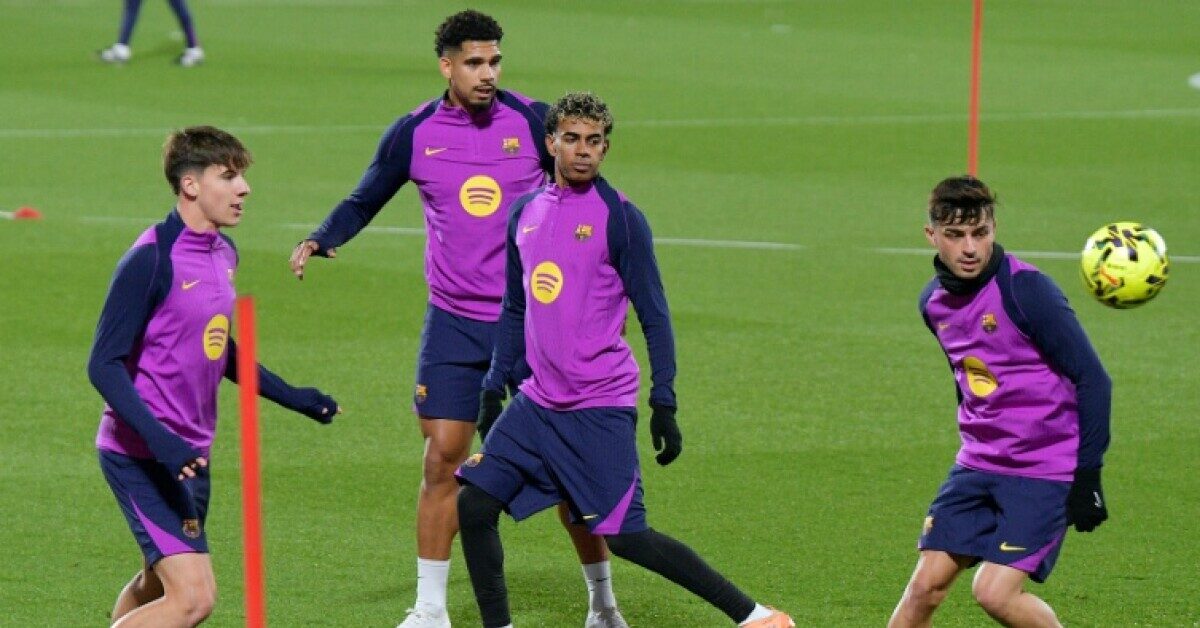
Ronald Araujo is back on the grass with Barcelona. After weeks away for a mental health break, the Uruguayan centre-back joined an open training session at the club’s Johan Cruyff Stadium, working with his teammates under coach Hansi Flick. His return comes at a delicate moment: a Catalan derby is days away, Barcelona’s defense is stretched, and the conversation around player wellbeing is louder than ever.
This is more than a fitness update. It is a reminder that even the toughest defenders carry a heavy mental load. Barcelona’s approach — described as “extreme caution” and letting the player decide the timing — shows a club trying to balance performance needs with human care.
A quiet return, a loud message
Araujo’s absence followed harsh backlash after his red card in Barcelona’s 3-0 defeat to Chelsea in the Champions League. That moment snowballed into weeks away from the squad. Flick had called it a “private situation.” The club did not rush him. They supported him.
So seeing him back in an open session matters. It tells fans and teammates that he feels ready to rejoin the daily rhythm. It also signals that Barcelona want to do this right. Training is one step. Matchday is another. The club will not force the next step.
“Let him breathe, then let him lead the line again.”
From red card to reset: the weight of one moment
Big clubs live under a bright light. One red card can change a tie and a timeline. For Araujo, that moment against Chelsea carried a lot of blame from outside voices. The pressure can be loud and cruel. In football today, mental health is not a side story; it is part of performance.
Barcelona’s stance matters here. By taking “extreme caution” and letting Araujo choose when to return, they set a tone. It tells the dressing room: your mind matters. It also tells fans: support comes before selection.
Flick’s balancing act: support first, minutes second
Hansi Flick needs leaders. He also needs to protect them. He kept the language clear: Araujo was out for a “private situation.” Now he is back around the group. That does not mean instant 90-minute shifts. It means day-by-day work, trust, and clear lines of communication.
Expect Barcelona to manage this return in phases. Training today. Maybe a bench role next. Maybe not. The timing for a full competitive return is still open, and that is by design.
“If he’s right in his head, Barça’s back four is right again.”
Derby stakes: Espanyol’s rise, Barcelona’s need
Saturday brings the Catalan derby, and it looks different this time. Espanyol are in fifth place and playing some of their best football in years. This comes after they narrowly avoided relegation in 2024/25. That arc makes this derby one of the most intriguing in recent times.
For Barcelona, the back line is under pressure. Andreas Christensen’s knee injury is expected to keep him out for months, thinning the options in central defense. That is why Araujo’s presence — even just in training — carries extra weight. He brings speed, strength in duels, and calm when the pace rises. In a derby, those traits can decide tense moments.
But caution still rules. The club will not gamble. If Araujo plays, it will be because he is ready. If he waits, it will be because the long season matters more than one match, even if that match is the derby.
“Derby day—heart says start him, head says protect him.”
Why this return matters beyond tactics
On the field, the checklist is clear: leadership, aerial strength, recovery speed, and organization. Off the field, the message is bigger: top clubs must support the person first. Letting Araujo set the pace, and supporting him after online backlash, shows a shift that football needs.
It also gives the rest of the squad a signal. If you speak up, you will be heard. If you need time, you will get it. That can build trust in a long season where pressure spikes often.
What to watch next
Three things now shape the story:
- How Araujo feels day to day as he ramps up training.
- Flick’s choices with a thin defense while Christensen recovers.
- Whether the derby comes too soon, or becomes the perfect soft landing.
There is no need to guess minutes. The club’s stance makes it simple: it’s up to the player and the staff, one day at a time.
Big picture: football and mental health
Ten years ago, a break like this might have been hidden or rushed. Now, teams and fans talk about mental health with more honesty. That is real progress. Araujo’s return is part of that change. It says: the mind is as vital as the hamstring or the knee.
Barcelona’s decision to go public about caution, and Flick’s choice of words, show a culture trying to evolve. It does not fix everything. But it helps. And it may help Araujo come back stronger and steadier, ready for the next big moment instead of weighed down by the last one.
For now, the image matters: Araujo smiling with teammates, jogging through warm-ups, heading back into the fold. The derby will bring noise. The season will bring more tests. But this step, taken the right way, gives Barcelona and their vice-captain a better chance at meeting them together.
In football, timing is everything. The timing here feels right: patient, careful, and human.