
Key Takeaways:
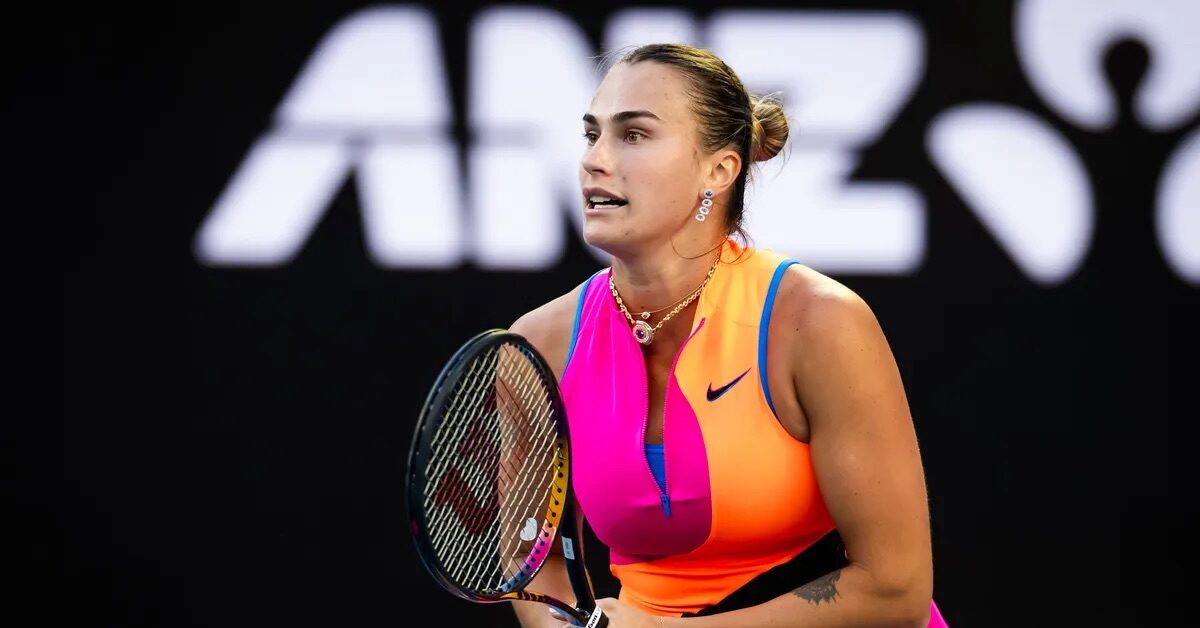
- Aryna Sabalenka beat French wildcard Tiantsoa Rakotomanga Rajaonah 6-4, 6-1 in the Australian Open 2026 first round on Rod Laver Arena.
- Key stats: 23 winners, 20 unforced errors, 4/10 break points converted, and 79% first-serve points won.
- The World No.1 is a two-time Australian Open champion (2023, 2024) and is chasing a fourth straight final at Melbourne Park.
- Rajaonah, ranked No.118, was playing her first Australian Open main draw and held firm in a competitive first set.
- Sabalenka arrived in form after winning the Brisbane International, beating Marta Kostyuk 6-4, 6-3 in the final.
- Her second set showed better balance between power and control, a key sign for the rounds ahead.
World No.1 Aryna Sabalenka opened her Australian Open 2026 campaign with a firm statement, beating French wildcard Tiantsoa Rakotomanga Rajaonah 6-4, 6-1 on Rod Laver Arena. It was not perfect from the first ball, but it did not need to be. After a tight first set, the two-time Melbourne champion clicked into gear, raised her level, and sped through the second set to move safely into round two.
For a player who has stood on this stage so many times, this was a smart, composed beginning. The scoreline, the numbers, and the arc of the match all suggest the same thing: Sabalenka is here with purpose and form. She has made the final at Melbourne Park in each of the last three editions, lifting the trophy in 2023 and 2024. The chase for a fourth straight final is on.
Strong start in Melbourne: score, rhythm, and control
The 6-4, 6-1 result tells a clear story. The first set had push and pull. Rajaonah, ranked No.118 and in her first Australian Open main draw, handled the moment well. She stayed steady behind her first serve and made Sabalenka work for control. But when the Belarusian landed her heavy first ball and found her depth, the balance tipped fast.
By day’s end Sabalenka struck 23 winners against 20 unforced errors, a fair trade for a first round. She won 79% of points behind her first serve and converted 4 of 10 break chances. The figures match the eye test: a little loose early, then cleaner, quicker, and more confident as the finish line came into view.
“That second-set gear change is why she’s No.1—calm, heavy, ruthless.”
Why the second set matters for Sabalenka’s title push
First rounds can be awkward. New balls, new court speed, nerves, and a fresh opponent with nothing to lose. In the second set, Sabalenka simplified the task. She steadied her feet on return, took time away, and trusted the first strike. The errors dipped; the rally patterns shortened; the pressure grew. That is the blueprint she used to win two Australian Open titles and to rise to the top ranking.
Her 4/10 rate on break points may not jump off the page, but it is underrated value in round one. She created chances in most return games and did not let a few missed openings rattle her. When the door opened again, she walked through it.
Rajaonah’s moment on Rod Laver Arena
Tiantsoa Rakotomanga Rajaonah might be new to many fans, but this was a positive debut on the sport’s biggest stage. A French wildcard at 118 in the world, she earned her chance and made the opening set a contest. She absorbed pace, picked good spots to change direction, and handled the noise of Rod Laver Arena with calm. That is no small thing.
In the end, the gap in experience and shot weight told. Still, this was a useful first look at a player with upside. She did not fold; she fought until Sabalenka’s heavier ball and cleaner patterns broke through.
“Rajaonah showed she belongs—wildcard, yes, but not a walkover.”
Serve and first-strike tennis: an early barometer
Sabalenka’s serve is her launch pad. Winning 79% of first-serve points is the headline number here. It freed her to play on the front foot and protected her from long, messy games. When the first ball landed, the plus-one forehand often set the tone. The second set was a clinic in holding quickly and putting scoreboard pressure on the other side of the net.
The balance between power and margin is always the key for her. Twenty unforced errors in two sets is within range for a heavy hitter in round one. If she keeps her average near that mark while lifting her first-serve percentage as the event deepens, she will be tough to stop.
From Brisbane to Melbourne: form you can trust
Form does not always carry from one event to another, but Sabalenka’s January looks connected. She arrived in Melbourne after winning the Brisbane International, where she beat Marta Kostyuk 6-4, 6-3 in the final. The same patterns showed up again today: clean starts to service games, confident baseline weight, and steady nerves on big points.
That kind of rhythm helps in week one of a major. It allows a top seed to earn short matches, save energy, and sharpen decision-making before the second week.
“If the errors stay near 20 and the first-serve near 80%, who stops her in Melbourne?”
Chasing a fourth straight Melbourne final
Sabalenka’s record here speaks loudly: finals in the last three editions and two trophies to show for it. That level of consistency at Melbourne Park is rare. It comes from trusting her game on these courts, from loving the conditions, and from handling the spotlight in Rod Laver Arena.
The path ahead will get tougher. Seeds will hold, draws will tighten, and adjustments will be needed. The focus points are clear: protect the serve, keep the rally length short, and manage risk on the backhand wing. If those boxes are ticked, a deep run is in play again.
What this win tells us
This was not a match that needed fireworks. It needed control, patience, and a gear shift when required. Sabalenka delivered all three. The opener showed the mental calm of a World No.1 and a champion at ease with the demands of a Grand Slam first round.
For Rajaonah, there is plenty to take forward: a set of tennis on center court against the top seed, moments of real poise, and a first-hand lesson in the speed a top player can find under pressure. For Sabalenka, it is another brick laid in a building she knows well.
Bottom line
Aryna Sabalenka did what elite players do at majors: she solved the early test and finished fast. The 6-4, 6-1 win, the 23 winners, and the 79% first-serve points are simple, strong signs. With Brisbane momentum behind her and a clear plan in front, the World No.1 looks ready for another Melbourne push.
On this court, in this month, she feels inevitable again.