
Key Takeaways(TL;DR):
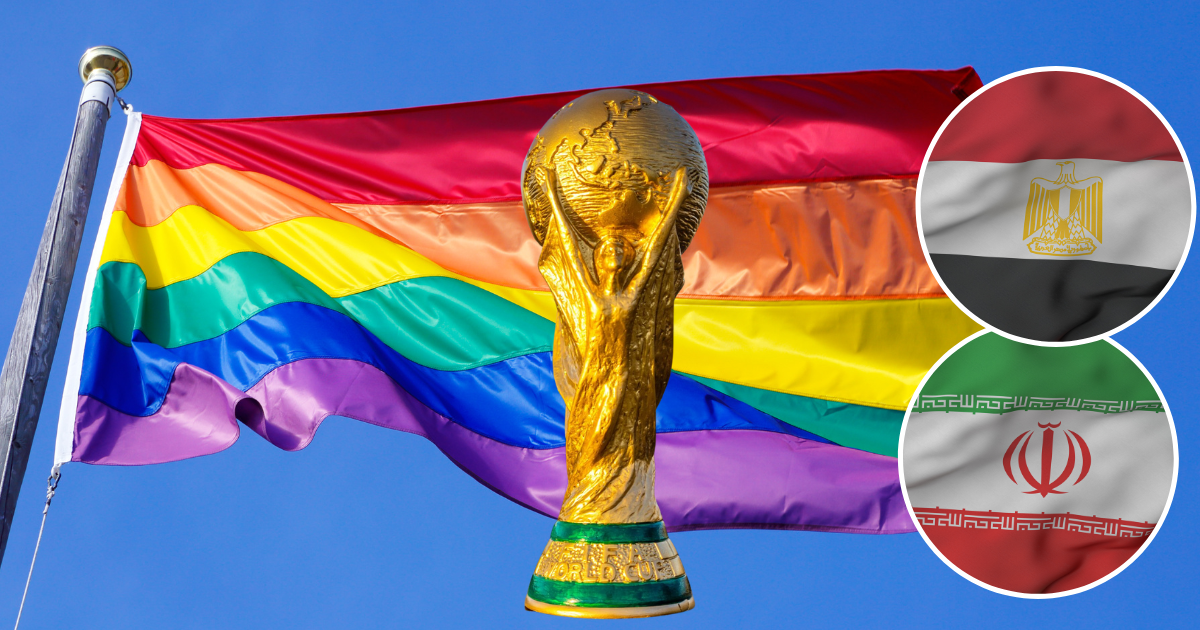
- Egypt and Iran have formally protested their World Cup match in Seattle over planned Pride programming.
- Egypt’s FA rejects any activities supporting homosexuality during the game, citing culture and faith.
- Iran’s sports minister says the country will not compromise and has filed a complaint with FIFA.
- Local organizers SeattleFWC26 say Pride-weekend community events outside the stadium will go on.
- The clash echoes Qatar 2022 debates and could shape FIFA’s rules on expressions and inclusion.
Egypt and Iran have pushed back against plans to stage LGBTQ+ Pride-related festivities around their FIFA World Cup 2026 group match in Seattle on June 26, 2026. Their formal protests put FIFA, the host city, and two culturally conservative football federations on a collision course months before a ball is kicked.
At the center is a simple but charged question: what happens when a global event meets local values that are not shared by every team? The answer will shape the fan experience in Seattle and may influence FIFA’s event rules going forward.
Seattle Pride plans meet the World Cup spotlight
Local organizers, SeattleFWC26, say they will keep their Pride community programming as planned outside the stadium during Pride weekend and across the tournament. The city’s Pride culture is a big part of its identity, and the World Cup brings a massive global stage. The timing is not an accident. Pride weekend and a marquee match promise big crowds and big cameras.
From a host-city view, this is about welcoming the world and showing inclusion. From a team view, especially for Egypt and Iran, it is about how their players and flags sit next to symbols and messages their governments do not accept.
“Can FIFA host everyone without asking anyone to hide?”
Why Egypt and Iran say no
Egypt’s Football Association issued a clear line. It “categorically rejects the holding of any activities related to supporting homosexuality” during the match. The statement cites culture and religion. In Egypt, homosexuality is criminalized, and there have been arrests and harassment tied to LGBTQ+ expression. The FA’s stance signals a desire to avoid any link between its national team and Pride events, even if those events sit outside the stadium.
Iran’s sports minister, Ahmad Donyamali, went public on state TV. “We make no concessions to anyone when it comes to our beliefs,” he said. Iran has some of the harshest penalties in the world for homosexuality, including the death penalty. The ministry says it has filed a formal complaint with FIFA over the Seattle plans. The message is firm: Iran sees this not as a side issue, but a matter of principle.
FIFA’s balancing act after Qatar 2022
All of this revives memories of the 2022 World Cup in Qatar. Back then, FIFA faced loud criticism for limits on rainbow symbols in stadiums and for threats of bans over a rainbow captain’s armband. Supporters felt inclusion was sidelined. Hosts and some teams argued that local laws and traditions should be respected.
Now the context flips. Seattle is not restricting Pride. It is promoting it. The conflict is not between hosts and fans, but between host-city plans and visiting teams with very different laws and values. That puts FIFA in a new corner: how to honor a host’s inclusive public programming while keeping every team comfortable and safe.
“Play the game in Seattle, let the city be the city.”
What could happen next for Seattle and FIFA
FIFA will likely be asked to clarify where the line is between tournament operations and city-led celebrations. In practical terms, that means questions like:
- What signage, displays, or clothing are allowed inside the stadium?
- How far does the event zone extend, and who controls it?
- How will teams be escorted to and from the venue?
- Can programming continue just outside the perimeter during a match?
Egypt and Iran’s formal objections could push FIFA to broker a compromise. That might involve clear separation between stadium operations and city events. Or it could mean new guidance for all cities about visibility of social causes during match days. What seems less likely is a city like Seattle stepping away from its Pride weekend traditions. SeattleFWC26’s statement says they will “move forward as planned” with community programming.
Why this match now matters beyond the group stage
Egypt vs Iran was already a compelling football clash. Now it carries extra weight. The top story may not be tactics or goals, but how two teams and a host city meet in the middle of a global culture debate.
For fans, clarity matters. Many will want to wear rainbow gear. Others will want to avoid it. Families will plan their route to the stadium. Teams will plan arrivals and warm-ups. Everybody is better off when rules are simple, posted early, and applied evenly.
“We came for football, but football is never just a game.”
The human stakes and the fan experience
For many LGBTQ+ fans, Pride is not politics. It is safety, identity, and joy. For many fans from Egypt and Iran, Pride messaging can feel like a direct challenge to their beliefs and laws back home. This is why tension exists. It’s also why the World Cup stage is so rare. It forces a conversation most leagues and cities can avoid.
With that in mind, the focus should be on safety and respect. That means no one should be harassed for what they wear or who they are. It also means teams should not be forced into gestures that break their own red lines. Strong crowd guidance, clear stadium policies, and visible stewards can do a lot of the work here.
What this means for FIFA’s future tournaments
FIFA’s decisions around Seattle will echo across other host cities. The 2026 World Cup stretches across many regions with different values. A consistent policy on expressions inside venues, and a flexible approach to city-led events outside, might be the only way to keep the peace and keep the party.
Whatever the final call, one thing is clear: silence is not an option. Qatar 2022 taught FIFA that last-minute signals confuse fans and inflame debate. With the clock ticking to June 26, 2026, the governing body has time to set terms that are fair, transparent, and easy to follow.
Bottom line
Egypt and Iran have drawn a line. Seattle has drawn one, too. FIFA stands between them. The next move will define the look and feel of a World Cup matchday in a proud, loud host city — and may set the tone for the rest of the tournament.
And when the whistle blows, the football will finally get a say. Until then, the debate is the story.